Refugee Demographics
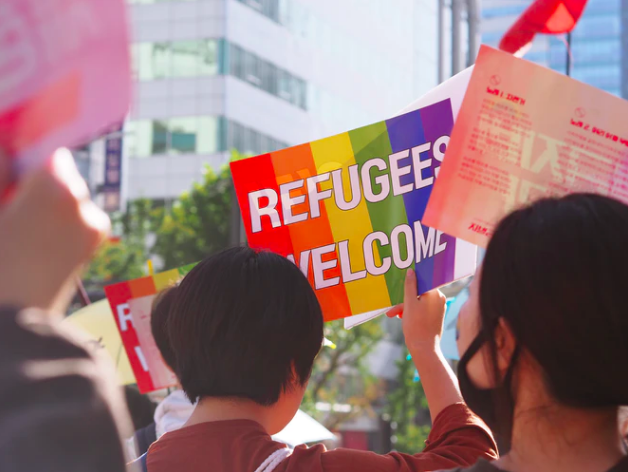
The Refugee Convention is an International legal document aimed to protect refugees, created by the United Nations refugee agency (UNHCR) in 1951. Japan signed this document in 1982.
The document defined a refugee as, “someone who is unable or unwilling to return to their country of origin owing to a well-founded fear of being persecuted for reasons of race, religion, nationality, membership of a particular social group, or political opinion.” The core principle is non-refoulement where a refugee should not be returned to a country where they face serious threats to their life or freedom and to protect the refugees who are in one’s country. Despite being commonly used interchangeably, asylum seeker has a different meaning from refugee. Asylum seeker is a person “seeking protection of a state and has not yet been granted refugee status. That is, has not received the aid he/she flees for.”
Japanese Immigration
Applying for refugee status in Japan is a strenuous and lengthy procedure, requiring asylum seekers to remember and report details of life-threatening experiences from a home country they had to flee from.
The Japanese Immigration system is particularly strict and inflexible, denying their personal statements and demanding physical proof of persecution that asylum seekers fleeing for their lives do not bring with them for safety reasons (e.g. proof of participating in anti-government groups), for lack of time to prepare, or merely because there is little to no proof. Although the Ministry of Justice (MOJ) is regularly reforming immigration procedures concerning refugees due to international pressures and now the COVID-19 pandemic, this article will present the general statuses asylum seekers are/can be under in Japan, giving special attention to the Karihoumen– the detention center outside of the the detention center.

Detention Center
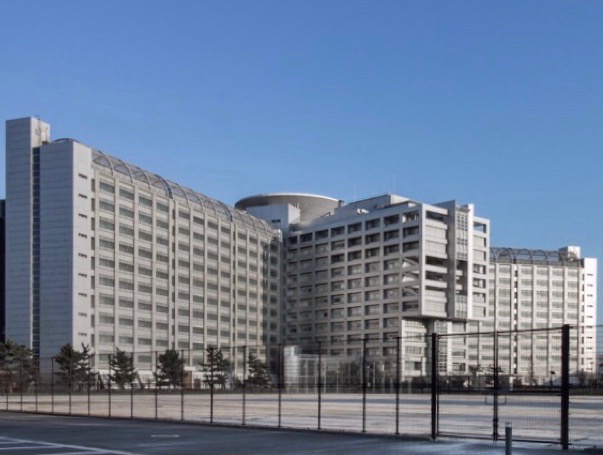
The detention centers are part of the Japanese penal system operated by the Ministry of Justice. In Japan, there are 17 facilities for the detention of foreign nationals.
The immigration control authority will detain any foreign national that is suspected of having a reason to be deported from Japan. These reasons include: entering irregularly or overstaying a visa, committing certain crimes, forging documents, working illegally, involvement in migrant trafficking, and having been suspected of terrorist activities.
However, over the years many asylum-seekers have also been detained during the proceedings of their refugee application. The reasons for their detention usually are: overstaying their visas, working illegally, and rejection/cancellation of their previous Karihomen.
