“We are all the same. We understand each other. We hope for success for each other.”
Note: This narrator’s face is blurred at their request for privacy.
1. Formal Support
1.1. Importance of Support for Asylum Seekers
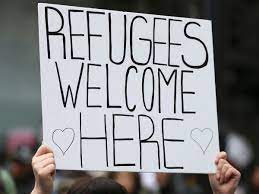
What would you do when you arrive in an unfamiliar country seeking asylum? Ask for help from your embassy? Try to find shelter? Get money? Or find a way to get a refugee visa? Having no social network, nor stable income, Ariana needed to reach out for support in Japan. Navigating such initial steps can be daunting. Ariana, demonstrating immense courage, left her family in Iran with a heavy heart and embarked on her journey to establish a new life in Japan. Starting with a two-week tourist visa, her first actions in this unfamiliar terrain were strategic and deliberate.
“Information is very important and it’s difficult in Japan to catch information.”
Ariana recognized the importance of seeking support and information. To get started on her new life, she explored various avenues, considering the potential assistance that various refugee support organizations could provide. Simultaneously, she began the search for shelters, acknowledging the immediate need for a stable living arrangement. Acquiring financial resources is a priority for many refugees as a means to sustain themselves in a new country.
Understanding the complexities of seeking asylum, Ariana wisely initiated the process to obtain refugee status. In these initial weeks, she engaged with several organizations, including NGOs specializing in refugee-related issues, to gather crucial information and guidance. Ariana’s story unfolds as a testament to resilience and resourcefulness, showcasing the strategic steps she took upon her arrival in Japan. Her journey is a compelling narrative of someone navigating the challenges of seeking asylum in a foreign land, determined to build a new life against all odds.
1.2. Reaching Out for Help
Ariana, recognizing the need for support, approached prominent refugee assistance organizations as soon as she arrived in Japan. However, due to the country’s historically low refugee acceptance rate and limited hosting of refugees compared to other developed nations, the landscape for large support organizations in Japan is not as extensive as in countries such as the United States and Germany. Despite this, there are notable entities like the Japan Association for Refugees (JAR), a non-profit organization offering legal support, social services, and advocacy to refugees and asylum seekers. Additionally, the United Nations High Commissioner for Refugees (UNHCR) Japan focuses on supporting refugees and advocating for their rights, while WELgee provides career mentorship programs and the Refugee Assistance Headquarters (RHQ) offers financial support.
Seeking information and support for settling in Japan, Ariana visited the United Nations University located in Shibuya, Tokyo, with hope. She shared her story of persecution in several hours of conversation with the staff. To her disappointment, this was what she was informed that “The UN is not active in Japan”.
This revelation highlighted a significant issue; even the major refugee support organizations in Japan, like the UN University and JAR, may not be able to offer sufficient assistance. Refugees in Japan face challenges in accessing adequate support for basic living needs, emphasizing the need for increased awareness, collaboration, and assistance to address their unique requirements. In contrast, countries with higher refugee acceptance rates, such as Germany, prioritize providing support, including essential medical and dental care, accommodation, and financial assistance to cover daily necessities for those granted asylum.
1.3. Lack of Support from Big Organizations
While major organizations tout their commitment to facilitating the assimilation of refugees in Japan by offering essential services such as language support, healthcare assistance, housing aid, and employment support, the unfortunate reality reveals that not all individuals in need of such support can access these services. Despite the promoted initiatives, a significant gap exists, leaving some refugees without the necessary assistance required for a successful settlement in Japan. The discrepancy between the advertised support and the actual accessibility of these services poses a challenge to the comprehensive integration of all refugees into Japanese society.
In Ariana’s case, the situation was even more complicated. On top of facing difficulties as a female refugee more vulnerable to gender-based violence, she was unable to utilize not only Japanese but also English at the time of arrival to Japan. When asking for support, she had to be accompanied by an interpreter to communicate to the organizations the reasons for her needing support. Therefore, she faced a triple layer of difficulty as a refugee, a woman, and a non-Japanese or English speaker.
Alongside receiving seikatsu hogo since 2023, a major organization extended a helping hand to Ariana by offering financial support and invaluable information on obtaining a visa and securing employment. Grateful for the assistance she received, Ariana acknowledges the organization’s role in her journey. However, despite their support, a critical need remained unmet: shelter. The organization, recognizing this gap, directed her to seek refuge at a mosque.
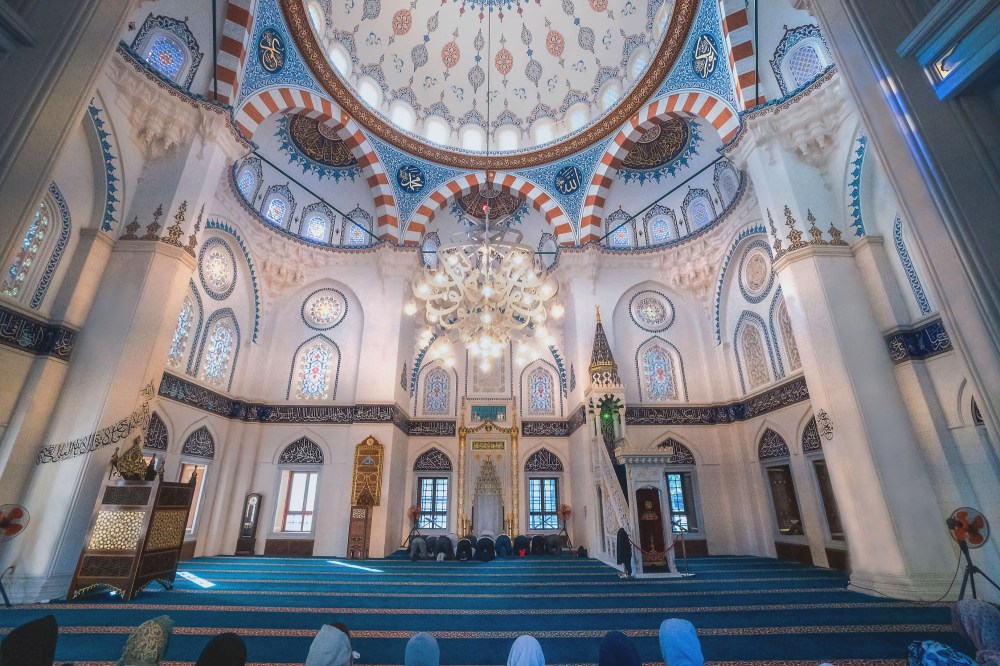
However, one of the major reasons Ariana escaped to Japan was to flee from the male-dominated culture often associated with Islam. Despite this, upon hearing her story, the workers decided to recommend her to go to the mosque. While Ariana appreciates the comprehensive assistance provided, the quest for shelter led her to explore additional avenues in her pursuit of a stable and secure living situation.
“I laughed and told her I’m not Muslim. I escaped from Islam. And they still didn’t provide any help.”
Despite the modest financial support she received, Ariana found herself grappling with a sense of extreme insecurity due to the absence of a stable source of income and adequate shelter. Adding to her distress was the feeling of discrimination, as she noticed that an Iranian male refugee she knew had been provided with shelter by the same organization.
“For me, as a lonely Iranian woman like me, not having a shelter is really dangerous. Especially being in a country like Japan with a lot of foreigners,” she describes as she articulates the perils associated with the absence of shelter, compounded by the challenges of securing employment and being a woman, which makes her susceptible to intersectional sexual discrimination and the risk of harassment. In fact, two refugee sisters from West Africa, Mina, and Sasha, encountered similar difficulties while seeking basic legal recognition. They, too, struggled to establish robust social networks that could provide the necessary support and stability.

Japan’s low ranking in the global gender gap index reflects broader societal norms and policies that disadvantage women. These gender disparities contribute to entrenched gender roles and stereotypes, affecting the experiences and opportunities available to female refugees in the country. As a result, female refugees are more likely to face greater challenges than their male counterparts. The country’s situation is further complicated by factors such as strict refugee recognition policies, and insufficient support throughout the recognition process.
These challenges make it notably difficult for women to navigate the refugee system and rebuild their lives in Japan. Additionally, female refugees contend with restricted job opportunities, as available occupations often favor male workers, such as manual jobs in construction and factories. This exacerbates their economic insecurity and limits their ability to achieve financial independence. Furthermore, female refugees may lack family-oriented social support networks, compounding feelings of isolation and hindering their integration into Japanese society. This lack of support also increases their vulnerability to exploitation and sexual violence.
1.4. Hesitance in Asking for Support
“I didn’t want to ask a lot, I didn’t want to bother others, I think it’s rude to ask for more.”
While support organizations are established to assist those in need, navigating support from organizations can be challenging. One of the struggles Ariana faced was begging for support. Despite being a governmental organization commissioned by multiple ministries, RHQ was known to be reluctant to provide support.
Ariana has been warned by another organization that successfully getting support from this organization can be a difficult process involving having to constantly “beg” for help. As for her days in Iran, she had never been in a position where she had to plead or beg for support. However, the circumstances changed drastically as she faced persecution and fled to Japan. Losing all of her wealth and social network, Ariana found herself in the unfamiliar position of having to seek help persistently. In the following clips, Ariana describes two situations in which she felt being treated inhumanely by the workers.
In the first situation, she suffered from severe pain and illness, prompting an urgent need to contact the hospital, despite not having a phone. Desperately, she approached the volunteers, requesting some coins to make the call from a public phone. However, despite the gravity of her situation, the workers callously dismissed her request, stating that her urgent matter was solely her responsibility, and they were unwilling to offer assistance.
In another situation, she was even asked to display her wallet, making sure she really needed financial support. The intrusive act of the interviewers inspecting its contents left her with a disconcerting feeling of being treated as if she were a criminal.
“I felt that their behavior to me was like a behavior with a criminal or a homeless person.”
Although refugees typically do not expect sympathy from immigration officers, the absence of any aid in such urgent, potentially life-threatening circumstances is ethically troubling for a refugee support organization. This situation is perhaps exemplified by the tragic case of Wishma Sandamali. Being in a detention center, she was unable to return to her home country as she had received a death threat and faced denial of requests to seek medical attention for life-threatening health issues in the detention center, ultimately leading to her death. This tragic incident highlights a violation of Japan’s Immigration Control and Refugee Recognition Act, which guarantees detainees in immigration centers the right to receive medical care and treatment, including access to medical professionals, necessary medications, and emergency services. Although Ariana’s situation does not entail a legal obligation for immediate healthcare access, the rejection of a refugee support organization to address such an emergency raises ethical questions.
Japan is renowned for its substantial contributions to non-profit and non-governmental refugee support organizations operating beyond its borders. However, when it comes to supporting the refugees within the country, the government’s efforts fall significantly short. Moreover, the available governmental support is constrained by stringent requirements and limited space, as the difficulty of being granted such statuses persists. This raises ethical and humanitarian concerns as Japan can be seen as violating Article 14 of the Universal Declaration of Human Rights, which states that “Everyone has the right to seek and to enjoy in other countries asylum from persecution.”
Ariana says she perceived that the volunteers did not like refugees, and were only supporting her to the extent so that she would not die. The psychological distress of being in a foreign country without a social network and facing such treatment weighed heavily on Ariana. Unfortunately, this sentiment is not unique. One of our other narrators, Ruben, has also experienced a similar feeling after enduring months of homelessness due to a lack of support., Another narrator, Yasser, described feeling like being told to “get out of here” when he received little to no support just as he fled the war in Syria to Japan with nothing. Both accounts echo Ariana’s sense of alienation and disillusionment with the assistance provided.
“We, refugee people, will be believed when we die. Before dying, Japan cannot believe us.”
Ariana argues how support organizations operate under the belief that individuals in dire need of assistance would actively seek and fervently request help. However, she emphasizes that those genuinely in need often refrain from reaching out for aid, as they are reluctant to burden others. She brings up another narrator of ours, Gabriel, who was not able to reach out for medical help and unfortunately passed away in November 2023. Tragically, the desire not to inconvenience others ultimately led to his death. Ariana continues and claims these people not only do not want to be a burden for others but also are under emotional stress, making them unable to reach for support.
Are the organizations incapable of delivering the necessary assistance? One prominent challenge cited by these organizations is financial constraints, as they do not receive financial support from the government and yet must fill the gaps of governmental support. The surge in individuals fleeing conflict and persecution and seeking refuge in Japan has rapidly risen with the easing of pandemic-related restrictions. Concurrently, asylum seekers seeking support have doubled the pre-COVID figures. As the need for continuous support intensifies, support organizations are actively seeking donations to bridge the gap and fulfill the urgent requirements of people in need, such as Ariana. Furthermore, the fundamental problem why people such as Ariana need such support is that the Japanese government does not grant people refugee status, which allows them the opportunity to work.
2. Informal Support from Communities
2.1. Philanthropic Community
“I could feel that they cared about my problems and see my situation as a human.”
Although Ariana was not able to receive the necessary support for shelter and employment from the government organizations, she was able to count on support from smaller grassroots organizations. During times of hardship when Ariana struggled to find accommodation, a Christian church located in Hongo, extended its support to her when she asked for help. Despite having no prior experience with Christianity, she was warmly welcomed by the volunteers. Given the previous disappointments in securing support from bigger organizations, Ariana had not anticipated such a miracle and genuine hospitality, of being treated humanely and kindly, without any financial expectations. In the following clip, Ariana expresses how the teacher, Kamimori sensei, at the church always had a caring spirit for her.
While governmental organizations perceived her problems merely as cases and failed to address them, she felt that the church consistently approached her issues as their own. Although they were not always successful in finding solutions due to limited resources, Ariana finally felt she was being treated as a human being with respect and inherent rights, this has ultimately led to her trust in the Christian Church.
WELgee is another non-governmental, non-profit organization where Ariana experienced a sense of genuine care, receiving support with shelter and job placement. She had described her relationship with the volunteers as friends, as they opened up to her not only in terms of support but also sharing happiness and love together with her. Ariana always found comfort not only in discussing her problems but also in engaging in casual conversations with the volunteers. Grateful and joyful, she was even invited to significant life events, such as the volunteers’ weddings. While the tangible support for housing and employment was greatly helpful, the positivity, love, and happiness she received from them were just as important.
2.2. Iranian Community
“I had to find people who speak Persian, who can ask about information, who can find a way for survival. And Unfortunately, I was not lucky enough to find kind people.”
Another thing Ariana was looking for was a community where she could rely on as a primary source of support, receive more information about the refugee application process, and share her stories in Iran internationally. Loneliness and social isolation are some of the biggest challenges refugees face worldwide. For Ariana, a community is more than just a gathering of people; it is a space to exchange not only shared experiences but also the unique beliefs and beauty each individual possesses. She underscores the idea that this sharing process contributes to an improved life for every member of the community.
Additionally, it is natural for refugees in an unfamiliar place to connect with others from similar cultural backgrounds and languages. Bonding networks and ethnical ties can provide newcomer refugees with social solidarity, a sense of belonging, preservation of the culture, and practical assistance such as help with finding housing, employment opportunities, access to information, language translation, and navigating local services and resources. Ariana initially sought out her Iranian compatriots in Japan to build this cultural connection.

With the inability to speak not only Japanese but also English, she was put in a rather vulnerable position as she would have to seek assistance from people who could speak Persian. In Japan, Ariana twice shared accommodations with Iranian men, both extending offers of help with housing and finance. The first man even invited her to live in his house in Japan. He had also promised her a phone, crucial to keeping in touch with her family in Iran, continuing her activism, and seeking necessary information for obtaining refugee status and starting her new life in Japan. Ariana began to develop feelings for him. However, he was not who she thought him to be – “He was really skillful to saying lies,” Ariana reflects.
The relationship with him turned into a perilous situation both for herself and her family, as she discovered that he was connected to the Islamic Republic of Iran, a regime Ariana vehemently opposes in her activism and the primary reason for her persecution in seeking refuge in Japan. Feeling unsafe, Ariana chose to leave his house. However, her decision did not end the ordeal, as the man began stalking her on Instagram, sending threatening messages that added to her distress. “He always threatened to kill me, or bring me back to Iran to torture and kill me,” she reveals. While the second man she lived with did not pressure sexual interest on her, he attempted to coerce her into adopting his Muslim faith. When she refused to fast with him, he kicked her out of his house, leaving her with nowhere to go.
Once again, Ariana found herself experiencing gender-based persecution in a place to which she fled to seek safety. As Ariana points out, female refugees are more vulnerable to sexual and gender-based violence, abuse, and exploitation worldwide; one in five female displaced people or refugees experience sexual violence, with certain groups such as women with disabilities, female-headed households, and older women being particularly vulnerable. In addition to the pressing issues including child marriage and female genital mutilation (FGM), girls may encounter barriers to exercising their fundamental rights, such as access to education, healthcare, shelter, and livelihoods. Unaccompanied girls, those with disabilities, and those with caregiving responsibilities are particularly at risk in the country of asylum. Suffering from such issues, the victims may continue to experience the lingering effects of persecution and violence, while necessary services and support may not be available or accessible for them. Being susceptible to such unsafety again, she felt that the Iranian community in Japan was not the place where she was supposed to be.
2.3. Refugee Community
As she tries to find a community and people she can trust, she emphasizes the importance of connecting with people internationally. To make a better future not only for her country but also for other countries, she finds international communication essential. “I think communication between international friends is very important. Because we cannot do things alone. We need each other. And you don’t know about my country, but I know. So I can talk to you, help you, and ask for help. We can make a win-win change for our future,” she describes.
Ariana found the community she was looking for in the arms of other refugees in Japan. Sophia Refugee Support Group (SRSG), the student-led support provision arm of this project at Sophia University, was an example of a refugee community where she found comfort. Ariana shares that it was one of our first narrators Gabriel, a Nigerian refugee who played a pivotal role in the establishment and development of both SRSG and Refugee Voices Japan, the research arm of the project, that introduced her to us.
Ariana describes Gabriel as a father-like figure who consistently extended assistance not only to her but also to numerous refugees, where their relationship was like no other; they would go to yoga classes together and occasionally meet to catch up with their lives. He introduced Ariana and so many other refugees in need of help to SRSG and the refugee community. Despite the difficulties he had as a refugee himself, he was always smiling and talking enthusiastically to anyone, handing out his name cards in case they needed someone to reach out to. Gabriel’s legacy is marked by his enduring impact on those he assisted during their challenging journeys.
Upon becoming part of the diverse community at SRSG, Ariana had more opportunities to interact with refugees from different backgrounds, all grappling with similar challenges in Japan. As Gabriel did at SRSG’s monthly Refugee Cafes, she also actively engages with fellow refugees in a passionate discussion on topics ranging from the situations in their respective home countries to the beauty and hardships of their shared experiences.
“Being a part of a community and an educational process for making a better is really enjoyable for me.”


She also talks about how she enjoys being in the community with Professor David Slater, the director of the project, as well as the student members of SRSG. The support she received from Professor Slater was the first help that she felt was not transactional, and it was invaluable at a tough time when she thought, “I hadn’t any place to go and I hadn’t any reason to continue my life.” She also shares that the community at SRSG, or as she puts it, “high-quality cultural behavior,” was something that she had dreamed of. The collective spirit resonated deeply within her and fostered a connection with the community that extends beyond the financial aid. Oftentimes, support organizations believe that financial support is the most helpful support for struggling refugees such as Ariana. Although such support is essential, for Ariana and other refugees, being treated as a “regular person” and not as cases, is the biggest support they appreciate.
3. Trusting Others, Trusting Yourself
“Love can make us trustable to each other.”
Her experience of receiving support in Japan, formally and informally, has overall been positive. The betrayal by two Iranian men, who she put so much trust in her early days in an unfamiliar environment, made her find it difficult to fully trust others again for a while. Nevertheless, she expresses that through these experiences, she learned one important aspect that comes before trusting others: trusting herself.
“I think my confidence was never enough,” Ariana explains. However, she recognizes the crucial role of self-honesty in building trust with others and endeavors to extend the same approach to herself. A way that she found was to share love. A language of love is universal and can be a great tool, especially even when there is a language barrier, which still she faces after dedicating so much of her time to studying Japanese and English. “I spend the love by looking into their eyes, and I could see easily that they catch the love,” she says with a smile as she describes how the giving and receiving of love make a trustable relationship.
Through all the challenges of being held in a precarious legal status and facing gender-based violence again, Ariana has found strength in overcoming them in the support from communities and friendships she has found in her new environment. This empowerment is what keeps her going today in her fight for refugee status as well as her advocacy for peace in her home country.
