Nigeria
Nigeria is located on the western coast of Africa, and the main city is Abuja. There are 36 states in the country and many languages are spoken, like English, Yoruba, Igbo, Fula, Hausa, Edo, Ibibo, and Tiv across the states. The city that Gabriel is from, Benin City, is the principal and largest city of Edo state and was formerly known to be a kingdom. The current population of Nigeria, as of 2020, equals approximately 209 million and 140 thousand, which continues to grow in number. The population has been rapidly increasing since the start of the 1960s, due to early marriages, high birth rates, and lack of family planning access. Because of its large number, Nigeria ranks to be number 7 in countries (and dependencies) by population.
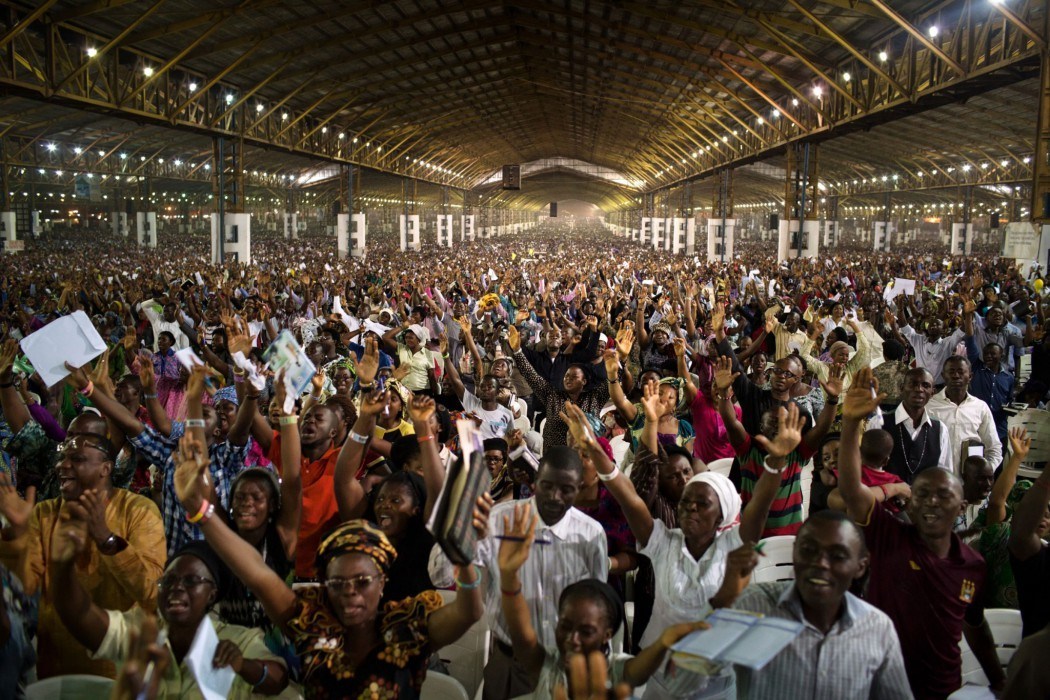
Two main religions dominate the country which also makes a split. Half of the country of Nigeria believes to be Muslim, and the other half links with the Christian faith (both protestant and catholic). The different religions and faiths of the Nigerians also cause a split in the way they view their president and government. Gabriel’s religion, which relates more with Pentecostalism in Catholic Christianity, is a charismatic Christian movement that emphasizes more on the specific encounter with Jesus Christ.
The country is heavily influenced by Western culture to this day, and Western interest continues to grow in Nigerian culture (Council on Foreign Relations). From pop culture in movies and music to education like literature, the country is dominated by many Western cultural aspects. Today, the English language is adopted as an official language for education and daily conversation in the country (New Journal of African Studies).

The ‘Westernization’ of Nigeria goes back to past British colonial influence, as well as the colonial past of the country itself. During the colonial era, Western education was utilized as a tool by the British in order to lead the Nigerian natives to accept the superiority of Western values at the time. The British did this by “cultivating their Western religion and cultural hegemony in Nigerians”. The Westernization of Nigeria both made extinct many of the country’s cultures and languages and saved a lot of the Nigerians from continuing extreme cultural practices at the time (e.g., the killing of twins, slave trade businesses, and the caste system). Today, children are raised with Western culture and education, which is where Gabriel also comes from. Though a lot of the country’s traditions are now at a loss, Nigeria is doing well with adapting to the Western influence and cultures throughout the nation.
Boko Haram
Despite having a long history of largely influencing Nigeria in terms of culture, westernization is viewed as a threat by Boko Haram. Boko Haram, which literally translates into “Western education is forbidden”, aims to Islamize the regions through jihadist movements. In addition to being a threat to Gabriel, Boko Haram is the reason why Gabriel’s family members and many people in Nigeria have been experiencing tremendously appalling events in life. Boko Haram’s terrorizing activities started in the early 2000s in Nigeria and have spilled out into its neighboring countries, including Benin, Cameroon, Chad, and Niger. It is a regional conflict that has been a nightmare for millions of people. Since the beginning, the terrorist group has been launching suicide attacks, taking over and destroying villages, murdering farmers and raping their wives, and killing aid workers almost on a monthly basis. One of the most disastrous incidents is the abduction of over two hundred school girls in 2014, which caught immense international attention. Because of Boko Haram’s activities, more than 37,500 people have been killed since May 2011. In addition, in Nigeria, over 2 million people have been displaced, and in the neighboring countries, over 680,000 people have been displaced.
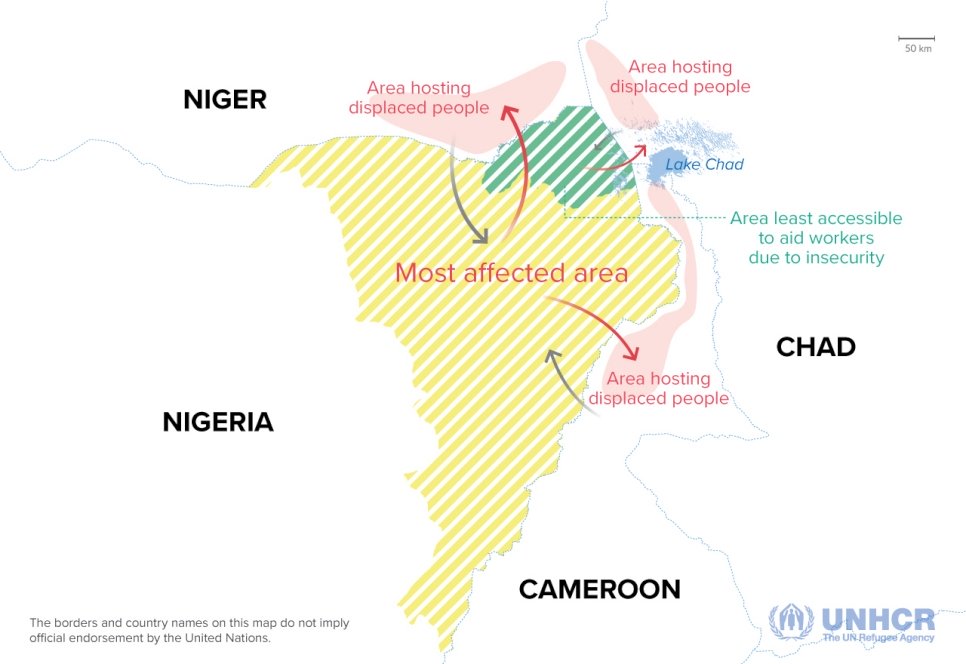
Gabriel is not the only refugee who is living a life full of uncertainty and danger under Boko Haram’s deadly threats. The never-ending conflict in the region has caused a refugee crisis and many other related problems. The Nigerian refugee crisis is in its seventh year in 2020. As a consequence of the attacks by Boko Haram, refugees have been suffering from food insecurity, malnutrition, and impoverished living conditions. The Nigerian government has been making several attempts to negotiate with Boko Haram from time to time to save the abductees. It has also been successful in driving terrorists out of many provinces. However, the mere success results in allowing the terrorists to extend their activities to the neighboring regions, and they are further strengthened and benefited due to the high level of corruption within the government.
For many Nigerians, especially those who have been victimized by Boko Haram, it is hard to consider the country as a safe place. An extremely large population has been under disastrous threats such as losing homes and becoming refugees. What remains the most unfortunate for the victimized population including Gabriel is that their future lies in the hands of Boko Haram, and nobody knows how long it will last.

