“I don’t see something to stop me. It’s something that we should just keep and keep going.”
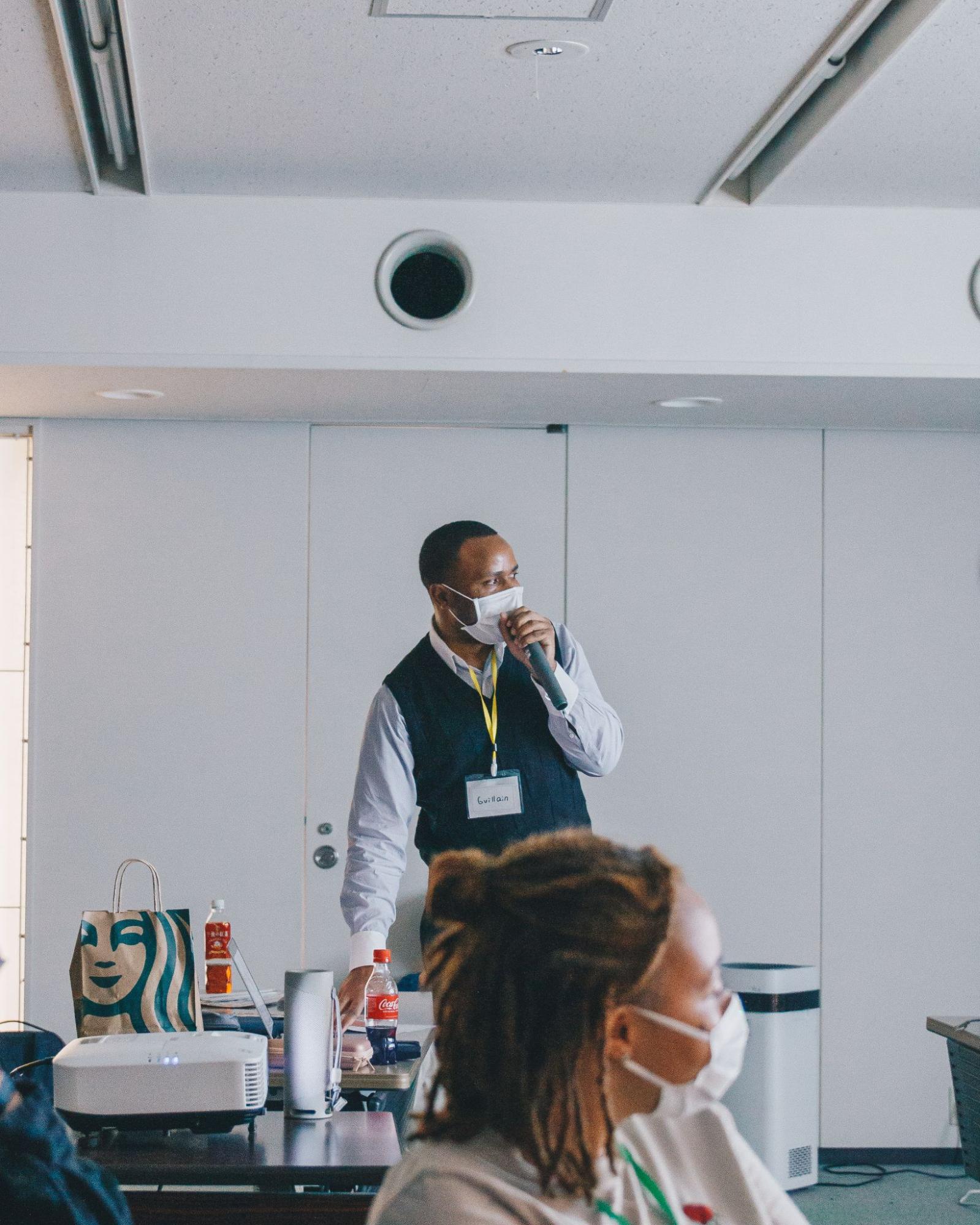
1. Prologue
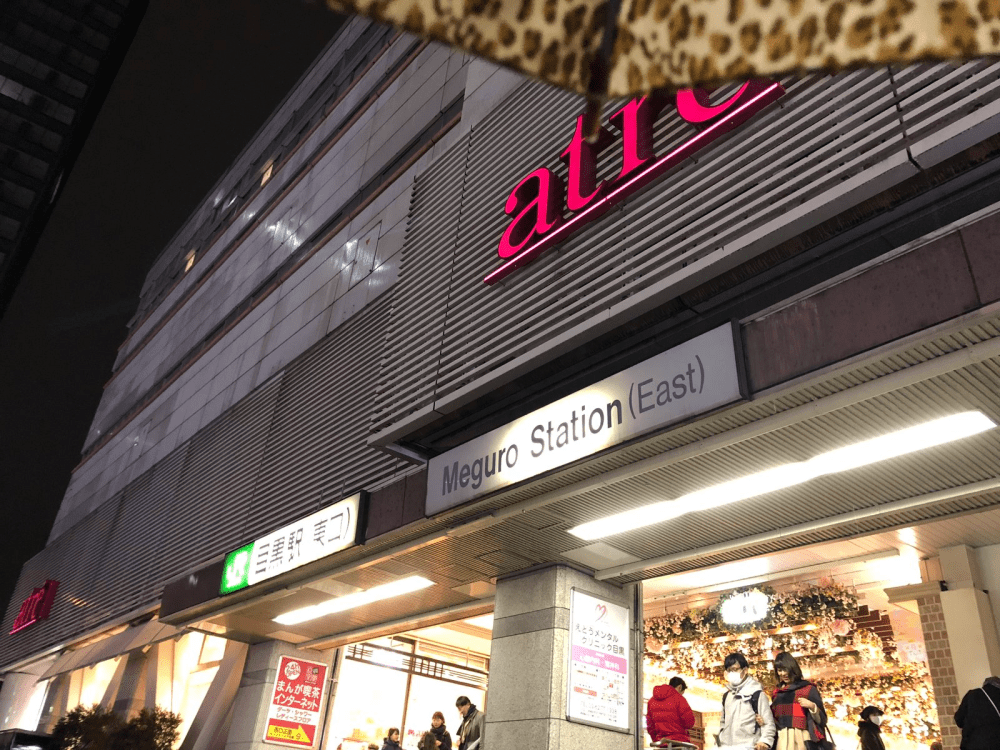
At a moonlit Meguro station, one man, shivering, curled up on the cold hard stone trying to get as much sleep as he could to have the energy for the next day. After being told by the Japan Association for Refugees (JAR) to wait for two weeks before getting an interview with the support group, Guillain sleeps at the station, waiting for his turn to come. This is where Guillain’s story of support begins. However, this is not a story of struggle and sorrow. Rather, It is a story of change and progression.
2. The Supported Man
Upon arriving in Japan, all Guillain knew was an address that he had found on the internet. Some may argue that this is being very ill-prepared, but as it can be told from reading some of the other stories by refugees, even knowing where you want to be headed once you get to your destination is already a significant step that many refugees do not get the opportunity to take. However, Guillain did not get support right away. He was told to wait for two weeks until JAR can provide him with an interview. When the interview finally took place, JAR was able to provide Guillain with help to apply for refugee status. More specifically, JAR was able to connect Guillain to a lawyer who would help him with his application. He was also provided with a plethora of information.
The JAR workers had an understanding of the level of English speaking that Guillain had and he got an explanation of what could be done to help his situation. A sliver of hope and relief appeared as he was finally getting the opportunity to speak with people who may be able to help him. However, Guillain still did not have a place to stay. Troubled about how he was going to find a place to live, Guillain was introduced to WELgee, another organization that supports his endeavors.
Guillain currently lives in a complex that is provided by WELgee. “Because where I’m living in Welgee house they are a new organization, they don’t have enough money to support us so I’m going in JAR to take some food there and sometimes they give me some money to live like living,” says Guillain. While being able to provide a place for Guillain to stay, WELgee is still a new organization, making it difficult for them to provide financial help. JAR helps Guillain cover some of these expenses. Other than financial help, JAR also teaches Guillain about the rules and systems that he is going to have to deal with as an asylum seeker in Japan.
2.1. Japanese Association for Refugees (JAR)
JAR is a group that supports refugees who have lost their rights in the process of fleeing their countries to regain these rights. They give specific examples which include the right to freedom and safety, the right to not be sent back to their country where their lives are in danger, the guarantee of clothes, food, water, and shelter, as well as the ability to live with their families. They provide legal support, life support, labor support, and community support. Legal support is to link refugees with lawyers to help them get their legal paperwork moved smoothly to get people who need asylum in their refugee status swiftly. Life support is to support refugees in their hardest times of just arriving in Japan and help them head on the road to independence. Next, labor support is to support refugees in their work, by linking refugees that are willing to work and different companies’ needs to give refugees a safe workplace. Community support is to support refugees in making communities in their neighborhoods and help create these bonds. They also propose a change of policies to make it easier for refugees and spread awareness for the better. Some activities that are being done to spread awareness include the usage of social media like Twitter, and Instagram, as well as having interviews with outside media to help spread the word.
2.2. WELgee
WELgee, on the other hand, has a focus on supporting refugees by helping them develop their careers in Japan. They state that they have supported over 200 refugees from 40 different countries with their careers. One of their projects is their training programs, where they start with career academics, or learning about having a career in Japan, then onto mentorship, then finally skill learning. The mentorship is to support refugees in finding the right companies to look for, and the skill learning is about learning business Japanese, IT skills, or multicultural communication skills. Another project they are doing is their labor escort project. A coordinator helps link together refugees and companies by communicating with both sides. They support the refugees through “soft skill training” and teaching them about the companies they might be working for. They also help create their Japanese resumes. On the company’s side, the coordinator asks for the company’s needs and introduces refugees that fit those needs. After this connection is made, there is a trial span, that then leads to supporting refugees in their full-time employment. They also have a lot of outward exposure, which includes over 150 different media reports in and outside of the country which span from Nikkei to German national television.
Gaining knowledge from JAR on the systemic hurdles that he will have to face in the future, Guillain understands that many asylum seekers get rejected for refugee status, and knowing that he only has a limit of three years for his application to be accepted, Guillain decides to prepare a plan B. From the dire situation of having nowhere to live and nobody to turn to, with the support of JAR and WELgee, Guillain can turn his focus toward moving forward.
“If I couldn’t meet some other people, some Japanese who can, who supported me to join, or who supported my dream to join university to study, maybe I could be stuck working at the factory, working just something like that, and not going to achieve my dream. So, WELgee also support people to get some work, working in Japanese company, so you need to get other people to support what you have as a project in the future.”
From being in the situation of worrying about where he was going to stay, let alone about his future, Guillain can find his footing with the support of groups like WELgee. He speaks of his gratitude towards the people who have helped him and explains that if he had not met these people, he may have ended up working in a factory. There is also mention of having a project in the future, and this is a very important aspect of Guillain and his stance on refugees. “Refugees should have a plan B” Guillain had said in a past interview. Many refugees end up waiting for their application for refugee status to get accepted without having a plan for when that fails. In Guillain’s case, his plan B was to go to university to get a degree so that he could get a job regardless of whether his application was accepted or not.
Finding a place to stay, and discovering the next step to take, Guillain finally begins to find his footing as the ground beneath him becomes more and more stable through the support of the many people whom he has come to know. The mental fortitude of Guillain and his determination to succeed pushes him to keep on taking steps forward for the sake of his dreams.
3. Change and Evolution I: Supporting Other Refugees
From the lonely and unstable path that he was on when first arriving in Japan, to now finding his footing and walking down the path of his dreams, Guillain changes and evolves from his former supported self to supporting others. The first step that Guillain takes is supporting fellow refugees who are following the same rocky path that he has traversed through in the past. Only four months after first arriving in Japan, Guillain had managed to change his role in the refugee situation from being a supported refugee to supporting other refugees. As mentioned before, Guillain advocates for refugees to have a plan B for their futures. There are different routes to getting a visa or status that will allow for you to have a job in Japan, and it seems that, not only Guillain, but the support groups as well believe in this.
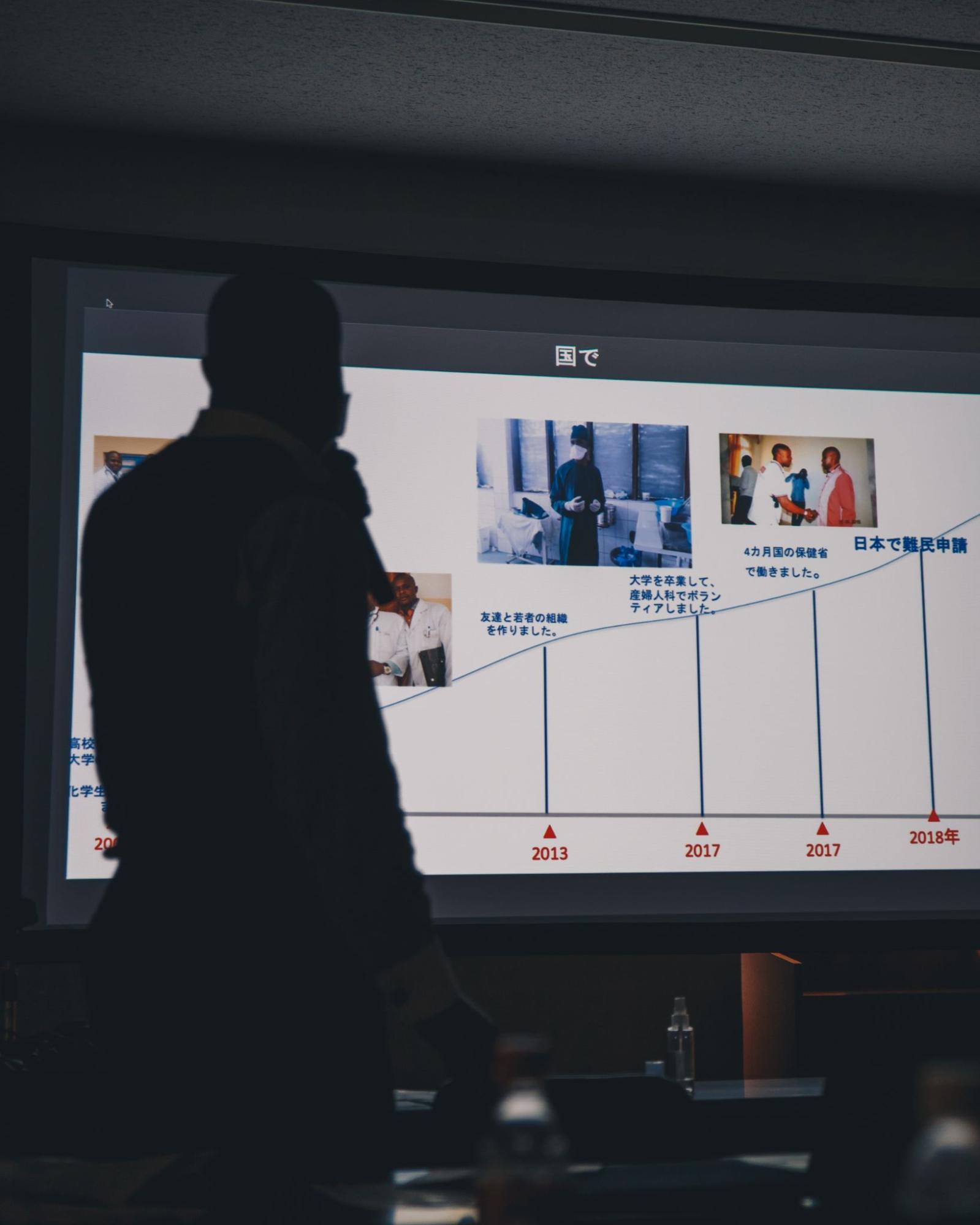
Guillain’s support work begins with going to Japanese companies and doing presentations or meetings in order to show the appeal of refugees and their possibilities in the workforce. By taking hands with WELgee, Guillain helps to find jobs for refugees so that they can have that plan B that is so crucial. Contrary to the image that many people may have about refugees, there are actually a significant number of refugees that have various backgrounds or knowledge in different skills. Those may vary from skills for a specific job to having a university degree. However, in the case of many of the companies in Japan, this reality is unknown. Guillain explains the struggles that he had trying to convince these companies of this reality: “It was difficult to convince Japanese society that among refugee, there is some refugees with knowledge or background, or graduated from university, high skilled refugee, it was difficult.”
Being able to evolve from the supported to the supporting, Guillain begins his endeavors of convincing Japanese companies that there are refugees who are willing to work, who are highly skilled and educated. When things finally began to move in his way, a new large hurdle was erected in front of Guillain. Society’s image of refugees in Japan has always been one of poverty and struggle. That image does not stop at the extent of the public but is also shared with companies across Japan. In an attempt to change this image, Guillain, one by one, goes to these companies to show them the reality of refugees and their potential as valuable assets in the workforce.
In doing his presentations in companies and meeting with people across Japan, Guillain finds that many of the companies do not know about the situation of refugees. He shows a slight frustration, or perhaps disappointment with the knowledge, or the lack thereof, about the situations that refugees and asylum seekers all over the world are put in. Because of this misinformation, the image that these companies have about refugees is often the stereotypical image of poverty and lack of education. However, now being in the role of the supporter, he explains that it is their responsibility to multiply their efforts to talk to these people and let them know about these situations.
4. Change and Evolution II: Supporting the Democratic Republic of the Congo
Years pass as Guillain meets people across Japan, finding his place as a supporter in helping refugees find work and trying to show companies the appeal of refugees. All the while, Guillain has been going to university to be able to work in Japan using his prior skills and degree. As the years pass, Guillain begins to take the next steps in his journey of support, now finding ways to support the people who share the same home as himself.
Studying at a medical university to be able to work in the field that he had priorly worked in, Guillain finds that there are major differences in the level of medical institutions in Japan compared to those of the Democratic Republic of the Congo. Guillain explains his belief in connecting the two countries of Japan and DRC to help find solutions for problems in his home country. In 2021, Guillain established a nonprofit to help achieve this interaction.
4.1. Afya Management Innovation
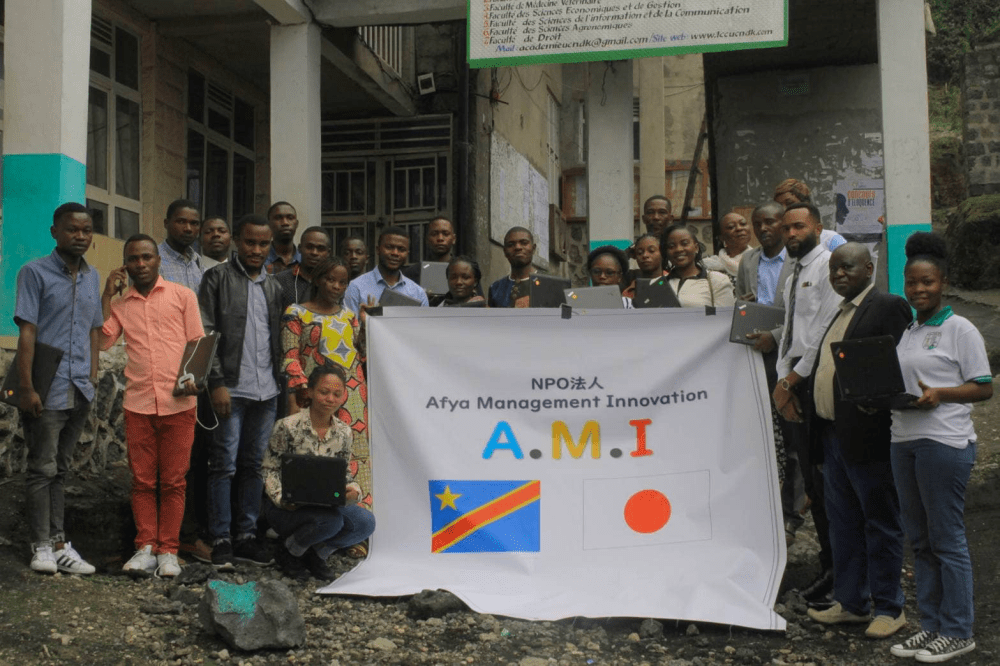
On the Afya Management Innovation homepage, it is explained that they believe that the most important factor in having safe and reliable health and medical institutions is the people who work in those places. However, it is also true that many areas or countries cannot provide the right resources to rear these people. As people who have been born on the same planet, by sharing experiences, strengths, and weaknesses of each other, improvements and growth can be achieved for both parties.
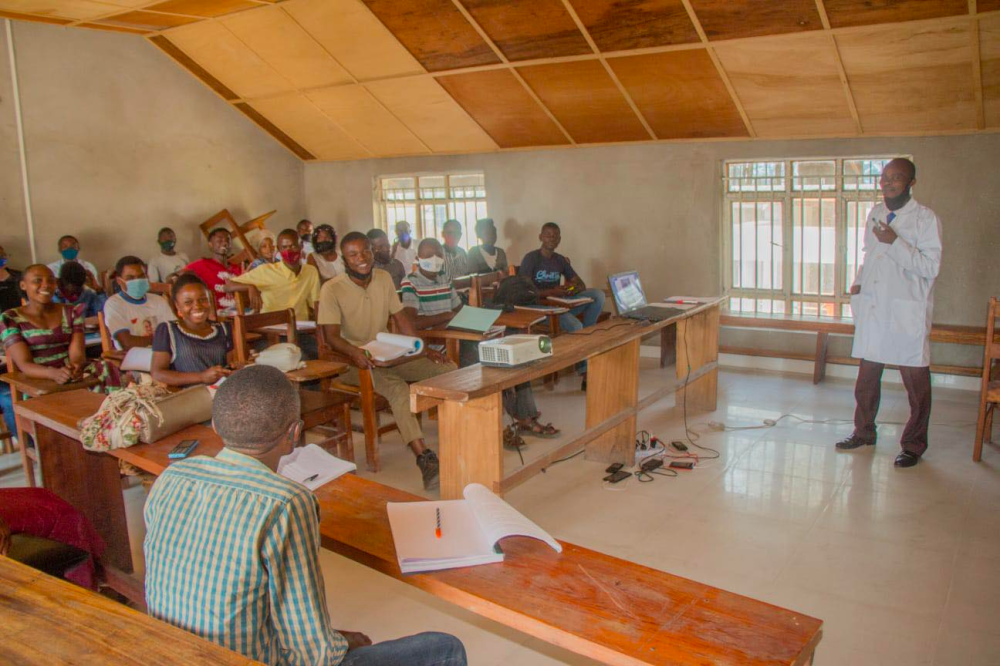
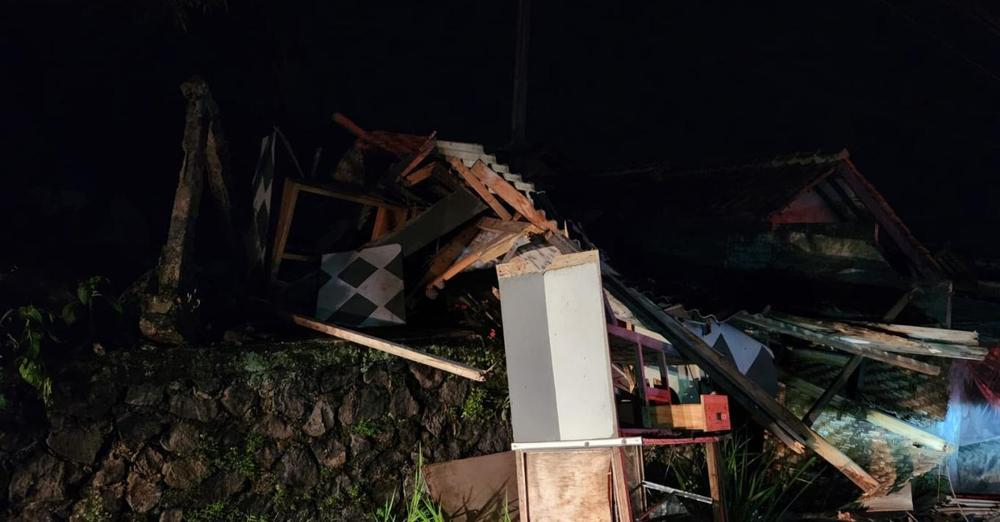
First beginning with the Democratic Republic of the Congo and Japan, and now helping support other countries as well, it is the mission of this nonprofit to provide those connections between Japan and the rest of the world. The support that they provide spans from giving lectures on multiple topics in the medical realm, or supporting opportunities for studies abroad, to doing workshops in Japan, or helping rebuild schools that have been caught in natural disasters. Afya Management Innovation has grown to where they are now supported by the likes of Rakuten, a major Japanese company.
Knowing not of a place to stop, Guillain treads forward in his journey of supporting others. From being reliant on support to being on the side of supporting, and now, to bridging the gap between people around the world, Guillain evolves once again in his journey of support. However, having done all of this and changing the lives of many people in need of support, there are still many hurdles that stand in front of Guillain that he cannot overcome yet.
5. Revolution: What Needs to Change in Japan
Guillain explains his thoughts on the younger generation in Japan. He strongly believes that the younger generations are the leaders of tomorrow, and we are the ones who are responsible for preparing for and creating a new future. However, through Guillain’s eyes, the youth of Japan is seen as disinterested in these changes. With regards to what he thinks as the reasons for why this, Guillain says that it is a lack of information.
Along his journey of support, Guillain finds that many are blinded by their lack of knowledge or information in the social and political world. People do not know about the struggling people like Guillain or the people that he is supporting, and people are not interested in pressing for change to help these people. But, he does not lose hope, as he believes in the birth of a new generation of supporters. The youth of the newer generations have experienced much more of the global world and Guillain has faith in these people to take hands and push forward in the journey of supporting. Although Guillain believes that many people in Japan, especially the younger generations, have little to no interest in politics or social change, he is also hopeful for the new generation and their ability to change this reality.
6. A Never-Ending Journey
From sleeping under the moonlight at Meguro Station to learning the warmth of support and understanding the need for planning and determination. From being supported and helped to learn how to walk on his own two feet, to being a supporter to help others learn in the same way. From supporting those in Japan to supporting those all over the world. It would seem that Guillain has accomplished things that one could only ever imagine accomplishing. Changing and evolving from rock bottom where he first found himself, to the heights that he is at now. One could argue that the journey of support is nearing an end. That, when he achieves the goals that he has now, he will finally be able to complete this long journey. However, no matter how many years go by, no matter how many people he supports, and no matter how successful others may say he became, in the eyes of Guillain, no amount of years, no amount of people, no amount of success can put an end to his journey of support. The journey of support is one with no ending.
