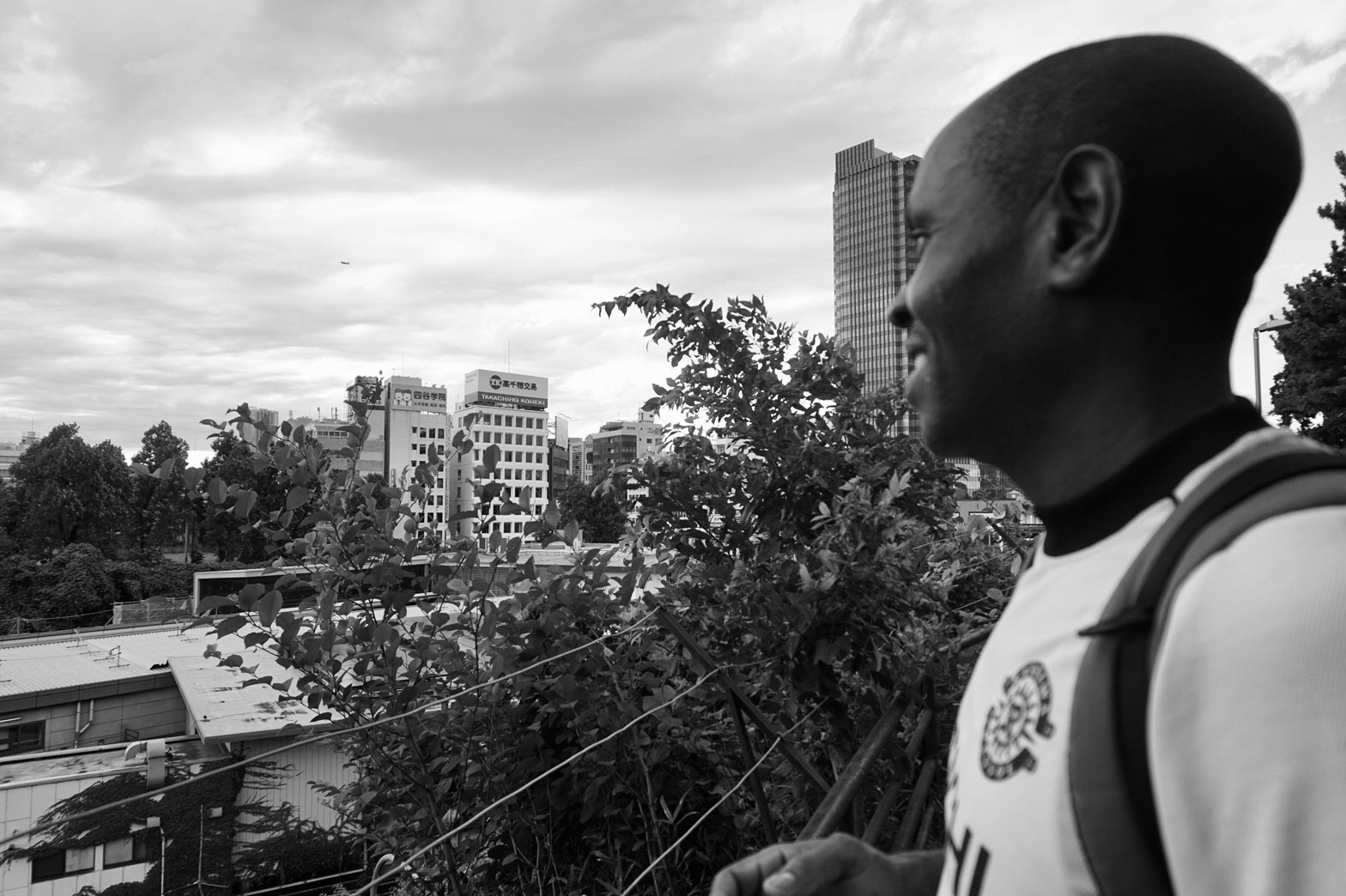
” Seeing police in Japan… I feel frightened. The memories of Cameroon come back to me. “
Having lived in Japan for nearly 8 months (as of August 2020), James Toba still suffers from flashbacks of violent attacks in his home country, Cameroon, when seeing police officers in Japan. The causes behind his deeply ingrained trauma lie in his upbringing as an English-speaking person in Cameroon. Born in a town called Fundong in the English-speaking Northwest region of Cameroon, James severely suffered from mistreatment by the Cameroonian government and armed attacks by the military throughout his life, which forced him to flee Cameroon as a refugee to Japan in December 2019. In order to understand why he had to become a refugee, we first need to learn the political situation of Cameroon. Now, let’s take a look at the history of Cameroon regarding how the political split between English and French-speaking regions happened.

1. Political Division between
Anglophones and Francophones
” Everything is in the hands of Francophones (French speaking populations)” and Anglophones (English speaking populations) in Cameroon including himself have no other choice than to “obey rules issued by the government. “
To understand what James means here, it is essential to learn the history of political division in the country. In Cameroon, there is an enduring linguistic division between English-speaking people and French-speaking people, which emerged from disputes over independence. With a great feeling of oppression from Francophones, English-speaking people in the Northwest and Southwest regions of Cameroon have been calling for independence to establish a new nation called “Ambazonia”, since they are “not represented or respected by the French majority government”, says James. As an Anglophone himself, he has faced a great deal of oppression and mistreatment by the government and military.

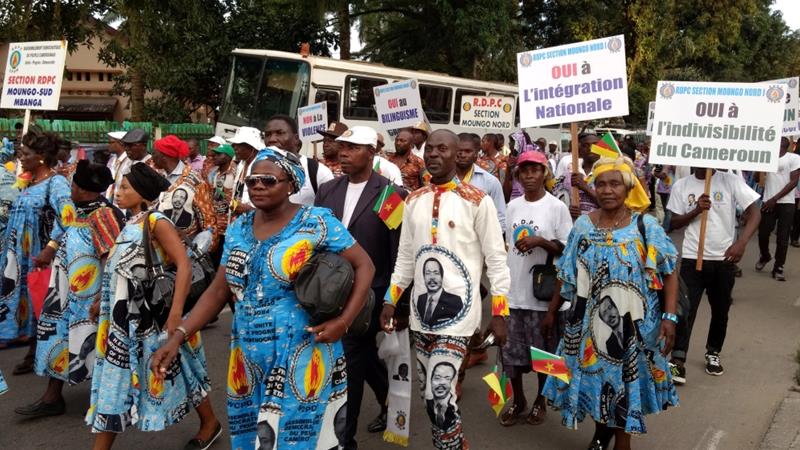
The deeply rooted antagonism between Anglophones and Francophones – Anglophones are fighting against marginalization, while Francophones are protesting against the Anglophone separatist movement and aiming at “l’intégration nationale” – national integration.
1.1. How Did the Split Happen?
” Anglophones do not have the right to complain about marginalization ever again. We would just be dying in silence, because the law holds that we are a part of Francophones. “
The reason why there is a mixture of English-speaking people, who account for about 20 % of the national population, and French-speaking people in the country is traced back to Cameroon’s colonial past. Between 1916 and 1960, Cameroon was colonized by both France and the United Kingdom. After the colonization was over, people in British-ruled Southern Cameroon held a referendum in September 1961 to decide whether they wanted to belong to the Independent Federal Republic of Nigeria or French-ruled Cameroon. On the promises of a federal state and the use of English as the official language, Anglophone regions joined the majority Francophone East, creating what is now geographically seen as Cameroon. However, “the promises were not kept”, James tells us – in spite of the agreement, Cameroon became a unitary nation in 1972 as opposed to the previous federal state, giving even greater power to the French majority government. In the 1990s, Anglophone political parties issued threats of becoming independent unless the old constitution was restated. Although Anglophones and Francophones had maintained a relatively peaceful relationship for decades, 2016 saw massive protests led by Anglophones against the imposition of French in schools and courts and the appointment of Francophone judges in English-speaking regions, which has resulted in the current wave of conflict in Cameroon. “The whole thing began with teachers and lawyers, asking the Cameroonian government to restate the English law and government”, James tells us. However, the Cameroonian government responded brutally to the protests, killing many civilians and jailing activists. James vividly recalls the terrifying attacks by the military: “The military was everywhere, shooting tear gas and bullets.” The government’s response only exacerbated the tension between Anglophones by intensifying their opposing sentiments – “Anglophones have been poorly treated for a long time… so a lot of anger has accumulated until now,” says James. The strong opposition and anger against the government subsequently triggered the emergence of separatist groups calling for the independence of English-speaking regions with military actions.
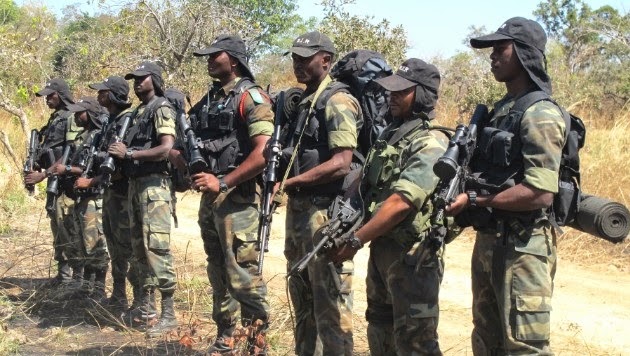
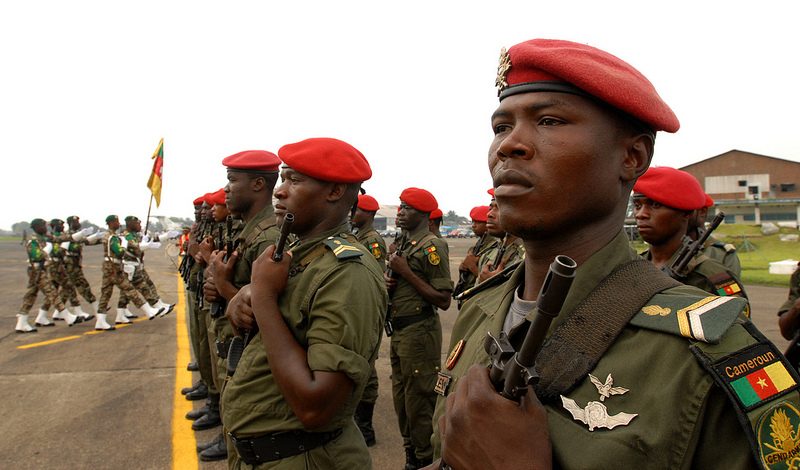

The North West and South West regions of Cameroon constitute the English-speaking part which is made up of two regions, accounting for approximately 20% of the country’s population. The rest is the French-speaking part, made up of eight regions. Anglophones have felt marginalized by the Francophone-dominated government for many years in social, cultural, political, and economic spheres. For instance, unequal employment opportunities for Anglophones are evident at the institutional level as James asserts that “English-speaking people don’t easily get government jobs – they are not allowed to have that kind of jobs.” He has also received unfair treatment by the French majority government: “I was always overtaxed by the government when I used to run my own shop. The tax officers would just come to me and threaten me to pay.” In fact, Quartz Africa reported in October 2017 that there was a significant economic disparity in the allocation of investment projects by the government to Anglophone regions, compared to Francophone regions; the amount of resources allocated for two Anglophone regions was much smaller than that for one of the eight Francophone regions – home region of President Paul Biya – despite that Anglophone regions have a greater need for improving infrastructure.
1.2. “Francophones are also suffering “
The unfulfilled promise of the Anglophone constitution and government, armed attacks by the Cameroonian government to quell Anglophone protests, and unequal opportunities based on the political division between Francophones – James has gone through a lot of hardships back home in Cameroon. However, it is very striking to see how he does not hold any kind of personal grudge against French-speaking people. He articulates several times in the interviews that “there are many Francophones who are also suffering from the government’s policy and the political division.” James never discriminates or blames people from French-speaking regions for his sufferings caused by the French majority government, because “it is the government who is responsible for the conflict and division.” This is why he treats Francophone Cameroonians who he has met in Japan with respect.
When James was asked why he does not blame Francophones for the mistreatment of Anglophones, he said it is because “Francophones are not informed of the true history of Anglophones.” He further explains how the French majority government has been purposely hiding the history of the linguistic division in Cameroon to entrench an idea of Anglophones as “subordinate citizens,” highlighting the systematic discrimination that has been deeply rooted in the country.
Click here to read more about James’ values on empathy and forgiveness
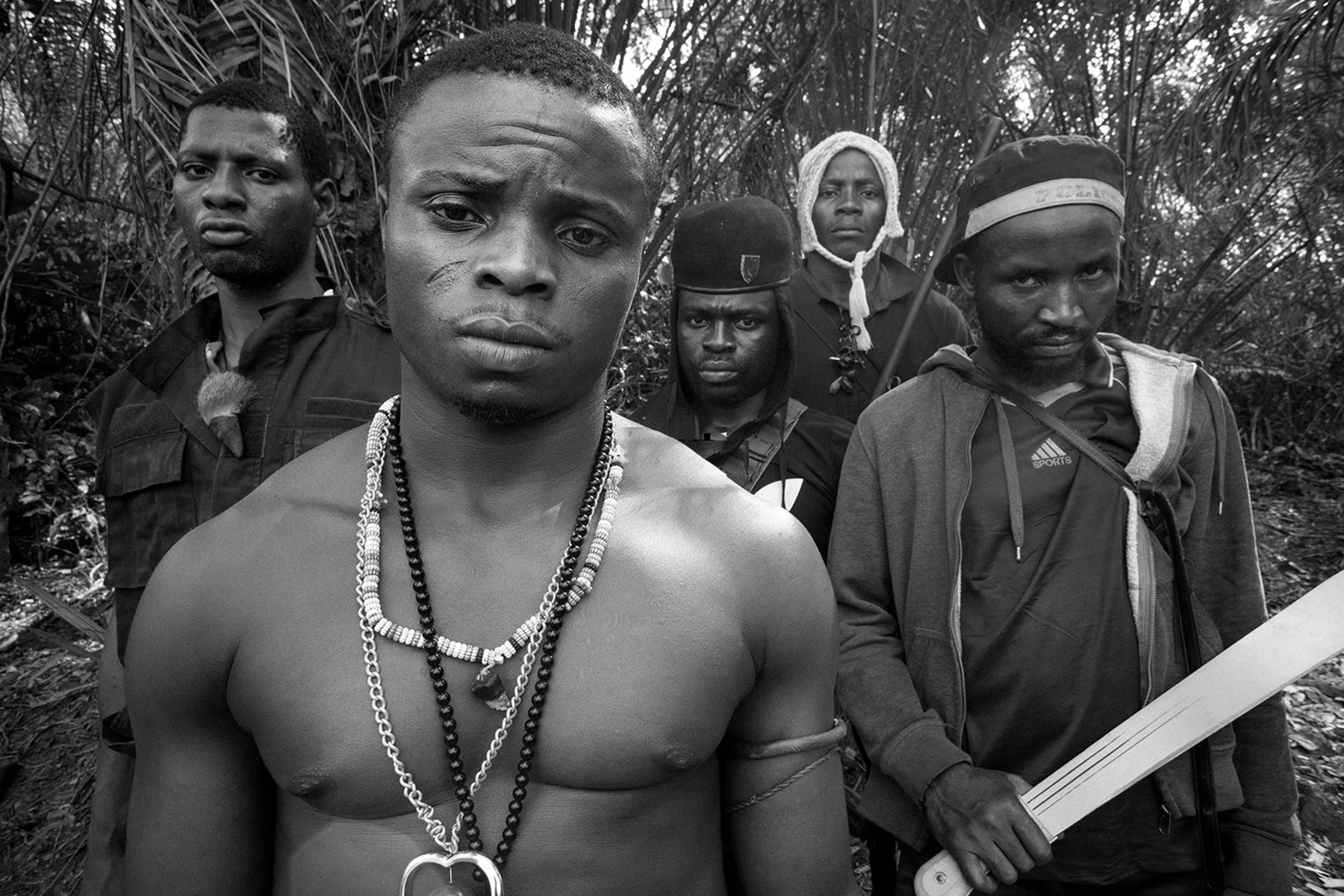
2. Amba Boys
” Amba Boys are fighting for their own land; they just want to take back what used to belong to them but was stolen by Francophones. “
2.1. “Amba Boys are fighting for independence “
Begun with peaceful protests led by teachers and lawyers in Anglophone regions, the year 2016 saw a surge in violent clashes between Anglophones, seeking independence, and the government security forces, quelling the Anglophone protests with military actions. A strong sense of frustration and anger accumulated among Anglophones from the colonial era triggered the emergence of separatist groups: Amba Boys. Amba Boys are a group of young men in English-speaking regions of Cameroon, calling for independence. Their origin can be traced back to October 2016, when teachers and lawyers in Anglophone regions started asking the government to restate the English laws and government through peaceful demonstrations. The “ghost town” strike was then initiated – the English-speaking regions united in closing schools, shops, and other public institutions, “telling the government that we were not satisfied with how they had been treating us,” James says strongly. However, the military started quelling the strikes by shooting civilians with guns and tear gas, arresting them, and shutting down the internet. The violent government responses to Anglophone protests only resulted in inciting secessionist sentiment among Anglophones. James explains that “many people lost their family members from the military attacks, and decided to fight back together.” In October 2017, young Anglophone male separatists declared an independent state named “Ambazonia”, marking the emergence of Amba Boys. The goal of Amba Boys is “to separate English-speaking regions from French-speaking regions and achieve independence,” James says. Ever since the independence of Ambazonia has been declared, ongoing conflicts between Amba Boys and the government security forces have intensified, forcing many of the members to flee to other countries, mainly to Europe. Those who have fled abroad are still working for Amba Boys, seeking to “make the story of Anglophones heard in the international community.”

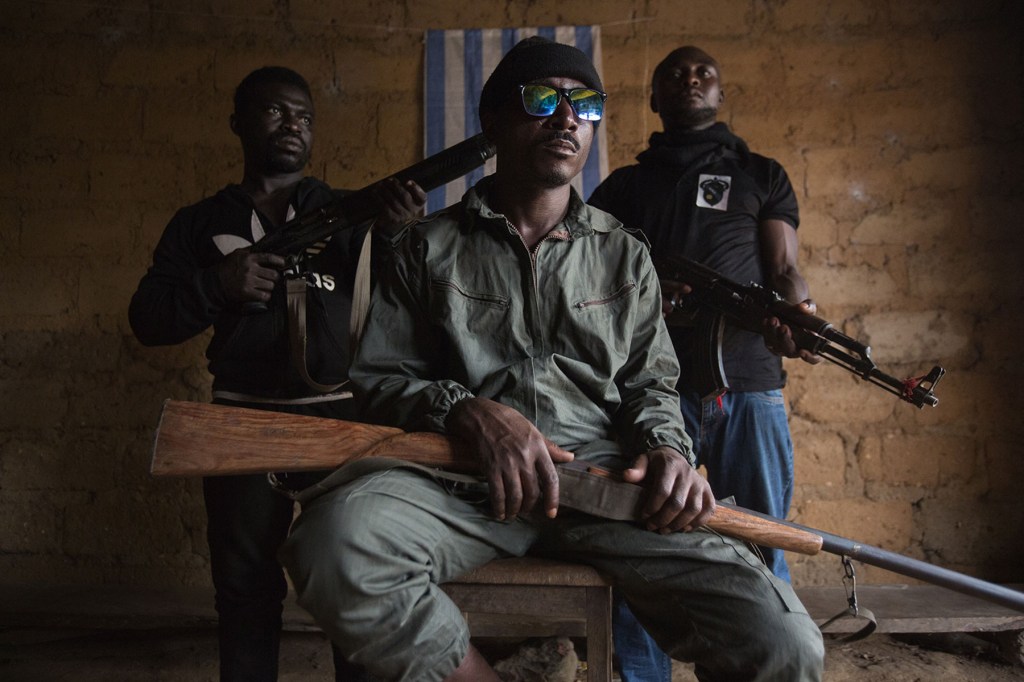
2.2 “There was pressure on me every day from both sides: Amba Boys and the military “
Trapped in an unusually complicated situation, James was under the constant pressure of coercive recruitment by Amba Boys while being subject to military attacks at the same time. As Amba Boys became more active in proclaiming the independence of the Ambazonian state with military actions, the fights between Amba Boys and the government security forces intensified, giving more reasons for the security forces to attack young males in Anglophone regions, including James.
Aiming at the establishment of the Anglophone constitution and government, Amba Boys have been fighting against the government security forces with violent means. To substantiate the self-proclaimed Ambazonian state, it has been crucial for Amba Boys to develop its force by recruiting new members. However, the way they recruit can be considered problematic, as James says that “Amba Boys force regular people in Anglophone areas to join the force by demanding those who refuse to join to offer some sort of material goods or money.” If people cannot or do not want to offer goods to Amba Boys, “they either have no choice other than to join or will be killed.” Although James himself was also constantly requested to join the force, he rejected it by offering food from his own shop to Amba Boys.
Moreover, since Amba Boys are made up of young male residents in Anglophone regions of Cameroon, James’ life became increasingly subject to military attacks. James asserts, “The military thinks that any Anglophone male is part of Amba Boys – an enemy to the government, and therefore an enemy to the Francophone community.” Although James himself never physically joined the Amba Boys, the mere fact of him being a young male living in the Anglophone region is a reason enough for the military to attack him. James strongly emphasizes, “You can be shot at any moment because, to the military, any young male is an Amba Boy.”
2.3. “I support their goal, but I am also afraid of the way they fight for it “
James has mixed feelings of fear and respect towards Amba Boys, who are fighting for the independence of Anglophones but through coercive recruitment and armed attacks. Regarding the goal of the Amba Boys, James articulates that Amba Boys are “heroes because they are fighting to save Anglophones from marginalization, seeking independence.” He continues, “They can die for their aim – they are not afraid of death anymore. They have given up their life and they know that they can be shot by the military at any moment, but they will still keep fighting.” Showing respect for what Amba Boys are aiming at, James further says, “Anglophones are praying that they will succeed in their fight against the military.” However, when it comes to how Amba Boys forcibly recruit regular people to their force, he demonstrates a sense of fear: “The way Amba Boys pressure people to join them makes regular Anglophones afraid of them; many people living in villages have fled to town to escape from the pressure.” Acknowledging that Amba Boys have caused severe damage to the Anglophone areas and put many Anglophones’ lives in danger by evoking attacks against the military, James also says, “I cannot do something terrible like that… I cannot fight in the way they do.”
His mixed feelings about Amba Boys illustrate the complexity of the Anglophone situation in the fight for independence. While many Anglophone civilians honor the ultimate goal of Amba Boys to achieve independence, they are also caught up in the middle of increasingly brutal fights between Amba Boys and the military, paying the highest price. In fact, Amba Boys have severely affected James’ hometown Fundong, turning the whole town into a desert place since the middle of 2018. In early June of the year, Amba Boys invaded Fundong and burnt down a restaurant, the owner of which they claimed to have been working for the military during the ghost town strike. The military entered Fundong immediately after Amba Boys set fire to the restaurant, killing eight villagers who were suspected of having cooperated with Amba Boys. This incident exacerbated the security condition of Fundong, forcing a large portion of the population to flee to other villages.
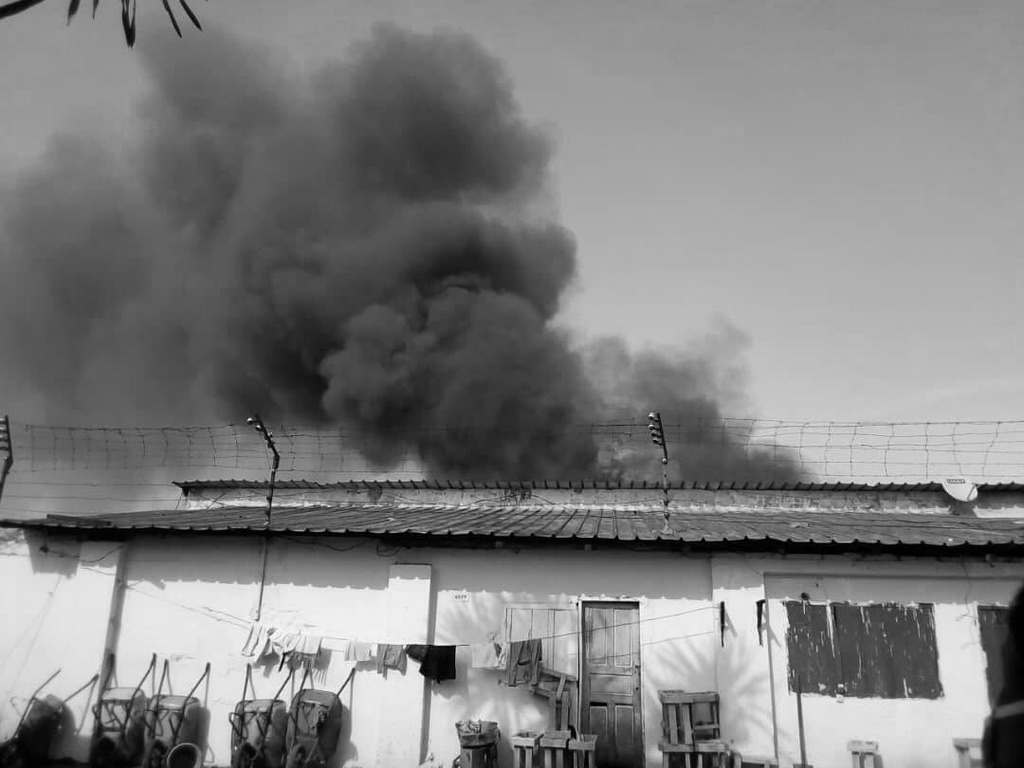
3. Life-or-Death Moments
” I knew I was almost dead. “
The rising tension between Amba Boys and the government security forces over the independence of the Anglophone regions has posed a considerable danger to James’ life. “I encountered four major attacks by the military” – before fleeing Cameroon, James went through four life-or-death incidents, where he was faced with an imminent threat to his life by the military attacks. It was these life-threatening moments that convinced him to flee his home country seeking safety, which he wouldn’t have done if it had not been for the attacks.
3.1. May 4th, 2017 – “I was lucky that I was born in Fundong, not Belo “
“On my way back, I was stopped by the military. Then they said I was the person they had been looking for.” One day when he was walking home, he was suddenly stopped by ten military personnel and asked to show his ID. Out of the ten military men, nine insisted that James was the one they had been looking to arrest. However, the last one realized that James’ ID said he was from Fundong, not from Belo – “So, the last person said I was not the one, and he let me go.” The military was trying to capture young males from Belo, a place where heavy attacks between young male residents and the military occurred a while ago. “The Boys in the area, they had terrible attacks between the military, so everybody had to flee and the place became empty,” says James. After he was released, he was terribly frightened at what had just happened to him. The rest of his walk back home was very rough for him: “I was feeling terrible… it was not easy for me”.
Even though the military was not looking for James this time, his life was constantly at risk due to the randomness of their attacks. James was not armed. He was simply walking on the road to go back to his house. Yet, the mere fact that one is “a young male” or “from a certain place” can be a reason enough for the military to target the person.
3.2. January 2018 – “I could not drive because I was shivering “
When James was driving to the market where his shop was located, he came across an open-back military truck. There were some military personnel sitting in the open back of the truck. James asserts, “One of the military personnel started hitting the truck with his gun, pointing at me and trying to make the driver stop the truck as if I was the one they were looking for.” He continues, “But the driver refused to stop… I don’t know why, but I was saved. I could not drive because I was shivering.”
It was going to be just another day until he came across the military truck. James was driving to the market for work – to make a living for his wife and six children – and yet, he could still be targeted by the military all of a sudden.
3.3. May 2018 – “A military man was pointing a gun at me, staring at my eyes “
“The shootings were already terrible on this day… everybody was forced to close the market.” In response to the massive shootings that were happening one day in May 2018, people were running to escape. “I was running in the opposite direction from where many people were running towards.” He was moving gently, not running, since he thought once he started running he would be easily targeted by the military. “So, I was walking slowly, and one military man pointed a gun at my face.” James continues, “As I saw the gun, I could not move the next step.” The military guy was still looking directly into James’ eyes. And the next moment, the military man suddenly lowered the gun and let James go.
While many people were running to escape from the shootings, it was James at whom a military man pointed a gun. He was miraculously let go without being physically hurt this time; however, the randomness of military violence against the Anglophone citizens, especially against young males, not only put James’ life in serious danger but also made him in ceaseless fear of being killed by the military.
3.4. August 2019 – “My younger sister and son kept crying in despair “
“Serious shootings again started… on the third day since the shootings had begun, things were a little calmer so I left for the market with my youngest sister and one of my Boys whom I was with in the shop.” However, the situation suddenly exacerbated when massive shootings started at around 11am. James says, “the town became unbearable so everybody closed their shop and ran wherever they could hide.” James decided to evacuate to another quarter with his younger sister and his son: “we went to another quarter far from my own house, so we were there for like the whole day.” At around 5 pm, his wife called and told him to come back home, since she thought it was now safe to go on the street. As they were driving on the road and entered his own quarter, “we were caught by the military,” says James. The military personnel demanded James, his son, and his sister get out of their car: “they asked us to cover our heads and lie on the ground.” James continues, “I was undressed and forced to kneel down while one of the military personnel pointed a gun at my head. They asked me to roll… I was rolling in the mud. I mean it was terrible.” Then, they asked him to open the back of the vehicle to investigate what he had in his car. “My younger sister and son… they kept crying, crying, crying,” James says in a sorrowful tone. After the military checked his vehicle, all three of them were finally allowed to leave – “I knew I was dead already.”
The military personnel undressed James in order to check if he was wearing enchanted charms or had any cuts, which is how the military commonly identifies Amba Boys. Being a young male living in the Anglophone region of Cameroon, he was brutally targeted in the Francophone military’s violence against Anglophones, which ended up even putting his sister’s and son’s lives at grave risk.