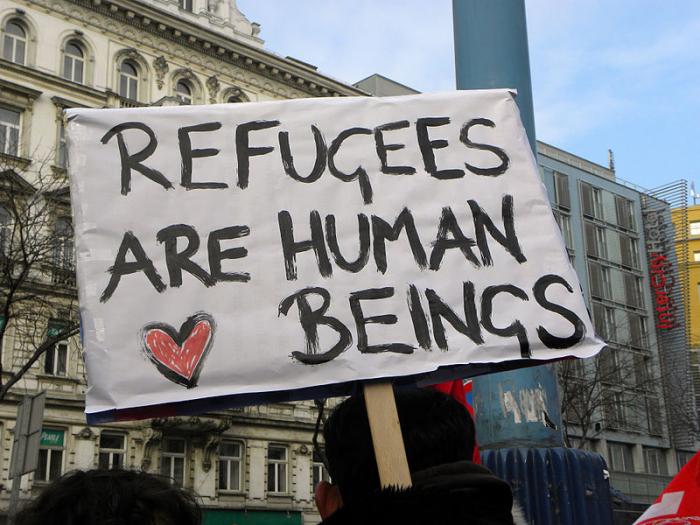
What It Means to Be a Refugee
James’ take on the issue of “Fake Refugees” in Japan
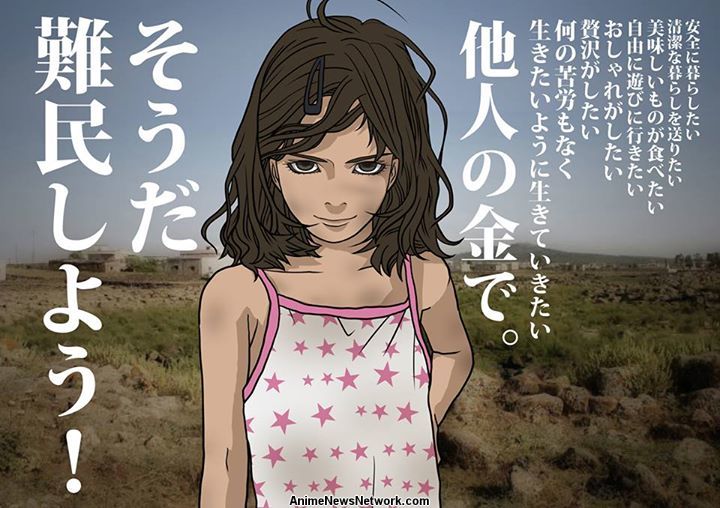
In our current Japanese society, there is a particularly harmful perspective on the image of refugees. This is the idea that refugees are “fake”.
Although inaccurate, it is hard for society to not hold this impression when their only source of information on the topic is usually based off of excessive media coverage of “fake refugees”. Most coverages dehumanize refugees by never truly including their voices but rather relying on statistics that usually shed light on a biased one-sided story.
One basis for their reasoning is that there are many “fake refugees” from other Asian nations that do not particularly have violent political/social situations that lead to persecution.
However, it is important to be aware that being forced to become a refugee is not always through political situations, and that there are those that are persecuted and unable to return to their home countries due to race, religion, nationality, and even membership in a particular social group.
To learn more about Refugee situations and demographics in Japan click here.
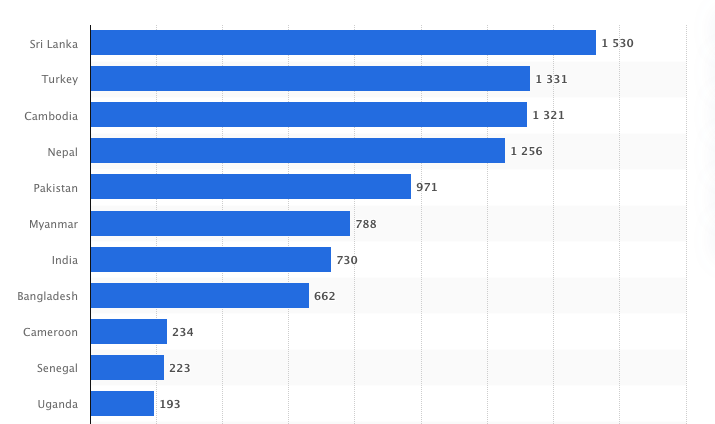
To view refugees as “fake” can lead to a lack of understanding, which can then lead to the harsh treatment of refugees by society. Due to this, asylum seekers and refugees are constantly at risk of being looked down upon.
Moreover, it must be taken note that negative public opinion on refugees can then encourage the already strict refugee acceptance in Japan to worsen.
In this section, James will clarify his definition of a refugee and will share his opinions on the matter of “fake refugees” in Japan.
Officially, The 1951 Refugee Convention defines a refugee as: “someone who is unable or
 unwilling to return to their country of origin owing to a well-founded fear of being
persecuted for reasons of race, religion, nationality, membership of a particular social
group, or political opinion.”
(UNHCR)
“A refugee is a person who has been forced out of his comfort zone and he is actually where his suffering“
James clearly describes this definition with unfaltering confidence that he fits this criterion. Looking back at his journey to seek asylum in Japan, he is here not by choice but rather forcibly due to his circumstances as a last resort. Numerous life-death moments were brought upon him and only through the grace of God is James here today. The suffering that he must have endured, and such that he continues to endure as an asylum seeker remains.
Every day James is fighting for his survival, this remains the same in Japan. However, he realizes that in Japan there is no imminent threat to his life. The only way for him to survive is to remain here and endure the pain of being separated from his home and family.
If James truly had the option, he would not be here. He would rather be with his family back at home in peace.
Despite his dire situation, James feels as though there are shackles on his way to gaining refugee status in Japan. One major constraint is the idea of fake refugees.
“My view on fake refugees is that they are doing a lot of damage, a lot of damage in the minds of the Japanese people and that tends to suffer us real refugees.”
James mentions how he cannot help but feel a bite in his stomach when he encounters a fake refugee. He feels as though they are tainting his story and falsely using his situation to their benefit.
Despite this critical blow, James also expresses how he is not angry at the fake refugees. He shares empathy for their situation and only wishes the fake refugees knew what it means to truly be a refugee, the weight the name carries, and the direness of situations for real refugees.
“No, I…I don’t get angry, I don’t get angry, but then I just feel like if they really know the meaning of being a refugee”
What must be noted is how James feels about the sense of “free-loading” that is usually denoted in the word ‘fake refugee’. Fake refugees are assumed to use the name refugee in order to receive benefits and “free support” from organizations. However, this is not the case with James Toba.
As a previously successful businessman, James prides himself on being self-sufficient. The idea of being ‘helped’ by organizations and support groups makes him feel uncomfortable, although deeply grateful.
“I was ashamed because my wardrobe [back in Cameroon] has almost all the dresses that you wear, yes. It’s terrible.”
This widespread belief results in his story being damaged and James feeling as though he must keep the idea of being a refugee a secret.
At his church, he often times chooses to exclude his refugee story when introducing himself to others. He mentions that he chooses to stay reserved than have others view him as an individual needing help.
“When you talk about it, it ends up like this person needs help, this person needs help. You are stranded. You are a refugee… some feel like refugees are beggars, some really pity you.”
Without realization, the idea of refugees being ‘fake’ and ‘needing help’ may be ingrained in our society. Being aware of this and recognizing how this impacts real refugees may be a solution to this issue. Once aware, making the effort to truly hear and discern the stories of each refugee is critical, as it is important that we remain unbiased and humanize each individual in their refugee journey.
In a world and society where, in general, all refugees are under suspicion purely for being a refugee, fully understanding that their worthiness as a refugee is no different from the worthiness of all people; perhaps will be the key to our puzzle.
