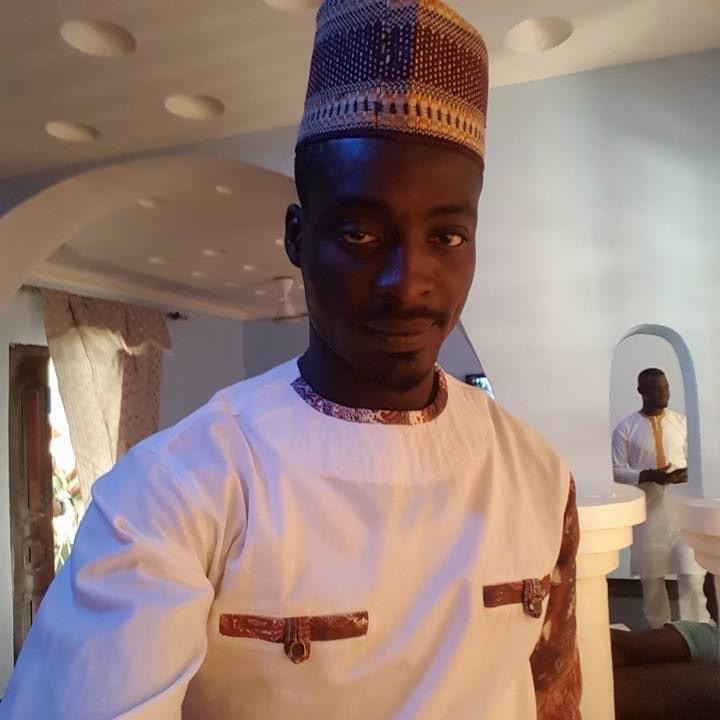
“I help people, I feel grateful for helping.”
Sana, a family-oriented and responsible person, grew up in a big and united family which fostered his kind-hearted personality. His caring character was already apparent throughout his childhood when he spent most of his time helping his mother at home and in her trading business and proceeded to take care of her when she got sick. This trait continued to develop as he became a young adult, took the responsibility of looking after his parents, and sacrificed his own dreams for his brother’s success.
However, growing up between two countries overshadowed by religious and political conflicts, Sana got involved in social activism as the benevolent person that he is, and his activism eventually led to his and his family’s persecution. Sana’s passion for helping others in spite of his own hardships put him in difficult and deadly situations. Nevertheless, he stayed true to himself and continued to endure the struggles of living in Japan as a refugee with a caring attitude.

1. Early Influences on Sana’s Life
1.1. Fulfilling Different Roles in His Mother’s Life
“Wherever she is, I want to be with her.”

Sana and his mother always had a special bond that was formed when Sana was born. Sana was born in the Mossi tribe, the largest ethnolinguistic group in Burkina Faso, where women are subordinate to men and are most of the time-constrained to their biological role of giving birth and raising children. Sana’s mother struggled to have many kids as was expected from women in their culture. Initially, she had three children, but one of them passed away from malaria and cervical spondylotic myelopathy (CSM). Malaria is considered an urgent public health priority in Africa, and according to UNICEF, a child under five years of age dies of malaria every 75 seconds in Africa. When Sana’s mother lost her child she was so devastated that she thought she would never give birth again. That was a painful and difficult time in her life not only because her child died, but also because of the way other women would treat her for only having two children.
Having many children was seen as an accomplishment and the more kids a woman has, the more pride she can have. Moreover, from a practical point of view, having more children means more financial security in case something happens with the breadwinner of the family, i.e. the husband. To elaborate, women who have more children would receive more benefits in case their husband passes away because more kids would inherit the father’s money and property. Because of the emotional pain and societal pressure, Sana’s mother struggled to have more children and was unable to do so for a long time. So when she finally gave birth to Sana ten years later, she felt like he was the solution to all her problems.
Sana assumed different roles in his mother’s life throughout his childhood. Sana’s mother had three boys but no girls and since Sana’s older brothers never stayed at home, Sana assumed the role that most girls would assume and stayed at home with his mother. Gender inequality is still prevalent in Burkina Faso due to social and cultural factors, and the Mossi tribe is considered a patrilineal group in which there is an ingrained idea that girls should do household chores rather than go to school. Girls are discouraged from pursuing their education as most families invest their money in boys and make the girls do household chores so they can marry into the husband’s family.
However, Sana not only pursued his education as a boy but also learned to do household chores while this was not a set of tasks that the other boys, such as his brothers, were encouraged to do. Even at a young age, he helped his mother cook, buy groceries, and prepare charcoal and firewood for cooking. Therefore, besides fulfilling the void in his mother’s heart when she lost her third child, Sana fulfilled the role of son and daughter at the same time.
Sana associated these distinct roles in his mother’s life with pleasure because he loved her so much. Even though there were so many members in Sana’s family, he chose to spend most of his time with his mother and started taking care of her at the age of ten when her heart-related condition became severe. Sana describes his younger self as always being with his mother, following her everywhere, and crying when she is not around. People called him the “woman’s boy” because of his closeness with his mother and because of how much time he spent with her and his aunts. But that did not bother Sana and he accepted the role of a daughter and the role of the last son by saying: “I’m always like woman. I don’t want to leave her all the time because I was the last one of my mom.”
1.2. Mother: An Independent Woman Breaking Gender Roles
Sana’s mother did not limit herself to the role of homemaker that is generally given to women in various cultures. As a hardworking and independent woman who had her kids’ best interests at heart, Sana’s mother started working as a trader to be able to provide for her kids on her own even though her husband had a successful business. These are some of her characteristics that Sana seems to admire and appreciate, and that is why some of his own decisions are driven by the motivation to help his family.
Since Sana’s father had many wives and 16 children in total, he had many mouths to feed. Sana’s mother thus did not want to completely rely on him and took matters into her own hands and worked hard for the sake of her children. Polygyny, a type of polygamous marriage in which one man is married to several women, is practiced in the Mossi tribe within the man’s economic limits. Having multiple wives benefits men because it indicates prestige and creates additional household labor. Sana’s father had the economic means to have multiple wives and treated them equally. However, even though Sana’s mother was the first wife, she did not have any advantage over the other wives since the number of kids was more important and the other women were able to have more kids than her. Sana’s mother was determined not to let her position in the family structure affect the future of her kids; she made the choice to work in the trading business in order to provide for her kids without depending on her husband.
Sana’s mother often traveled to buy and sell goods from different countries and since Sana liked to be with her and follow her around, he naturally accompanied her in her trading trips as well. Sana’s mother really needed him too because it was not easy to do business as a woman in places where gender inequality prevailed.
“Because no one was there to support her and even those that she used to ask them for help to support her, they tried to take advantage of her.”
Sana’s main role was to make sure that no one would take advantage of her. He watched out for traders who would try to deceive or steal from his mother when negotiating and helped her check and record the amount of goods. Sana not only learned household duties from his mother, but he also learned the basics of business and trade from her. Sana was able to create a strong bond with his mother and learn essential skills, but most importantly, seeing his mother break traditional gender roles and work outside of the house to have some financial independence gave Sana the first glimpse of what gender equality should be.
1.3. Sacrificing Dreams for His Brother’s Success
Besides the two brothers from his mother’s side, Sana had several siblings from his father’s side. Growing up in a big family like the one Sana grew up in is not always easy. The father’s wives would have issues with each other because of the sense of competition that they had. They would compete to be his father’s favorite wife and have more benefits through their kids. Some would even make fun of the wives who could not have kids. Sana’s mother was one of the wives who was judged and excluded for not being able to have more kids after her third child passed away. However, the kids never let their mothers’ issues affect their sibling relationship.

Although it is not rare for family members to fight with each other, Sana grew up in a happy home as all his siblings played together and loved each other. Sana talks about his siblings dearly and expresses a strong wish to have a big family one day just like the one he had. The fond memories of playing with his brothers and sisters made Sana realize that he wants to have a big family in the future where his kids can grow up as friends. The love that Sana and his siblings had for each other was bigger than any problems that would arise and that love made Sana sacrifice his own dreams for one of his siblings.
One of Sana’s brothers had the opportunity to go to London to get a master’s degree after studying accounting at Valley View University in Ghana. He got a scholarship, but that was not enough for him to continue his studies and the father’s business was going bankrupt at that time and he could not afford to send all of his kids to the best universities as there were too many of them. Therefore, the brother asked for the mother’s financial help for his studies in London as her business was going well. Sana’s mother did her best to provide for her kids and send them to the best schools; however, she had responsibly saved money for all her kids individually and did not want to send to one kid the money that she had saved for the others.
She advised Sana’s brother to come back home and look for a job in Burkina Faso instead of continuing his studies in London as it was too much to pay for. As the caring and thoughtful person that Sana is, he put the needs of his brother above his own and convinced his mother to send the money she had originally saved for Sana’s education. Sana’s mother asked him “What about you?” but Sana comforted her saying “Oh, no problem. I can manage.” Instead of going to a prestigious university, Sana decided to go to a local university so that his brother would be able to continue his studies in London. This shows how selfless Sana is and that he would do anything, even sacrificing his own dreams, for his family’s well-being.
1.4. Father: A Generous Man

“I really learned something from him because he’s a generous man.”
Sana and his father did not always have the closest relationship. Since Sana’s father had multiple wives and kids, it was not easy for him to divide his attention among so many people. In addition, Sana’s father was a successful businessman, always traveling around Africa to trade goods. Thus, it was difficult for him to spend quality time with all of his kids. Even though Sana did not spend much time with his father while growing up, the values he holds on to his heart to this day are all from his father’s teachings. Sana aspired to become a gentle and honest man like his father and the influence that he had on Sana’s personality is evident in how kind and caring Sana became.
While growing up, Sana spent more time with his mother while his brothers spent more time with their father. However, when Sana’s father started struggling with his business in Ghana and the stress from negotiations with people who were trying to sabotage his business affected him, Sana was the one who came to be on his side. When Sana was nineteen, his father had a stroke caused by stress and was immediately taken to the hospital.
Since then, Sana took care of him and stayed with him all the time. He was the only child who helped the father who could not walk anymore with his daily routine. He massaged him in the morning, in the afternoon, and in the evening. He helped him move around and would go with him to the hospital when needed. His father realized that Sana was the one who truly cared for him and even left his job to take care of him full-time, and that is what brought them closer together. Although Sana’s father was busy throughout Sana’s childhood, they were able to form a bond as Sana was the child who stepped in and took care of his father when no one else would.
1.5. Father vs. Uncles: Religious Contrast
Sana always respected his father for being a hard-working man but also free-spirited. Unlike some people in Burkina Faso such as Sana’s uncles, Sana’s father truly believed in gender equality and encouraged his wives to work outside of the house and do what they wanted. This was a unique perspective in the father’s family since they were Muslims who strictly followed their religious traditions, which would often restrict a woman’s freedom. According to Sana, in their religion, everything a woman does is associated with men. The rights of husband and wife are delineated clearly in Islam. Women need permission from their husbands to go out and are strictly prohibited from trading. Sana expresses disapproval of this religious tradition by saying that “[men] always want them [women] to stay at home and do house chores and also just to give birth. Like they don’t have the right to work.”
Sana’s father had three brothers who strictly followed the teachings of the Quran and did not share the same views as him. They practiced the religion very rigorously such as not allowing their children to interact with people from other religions. In contrast, Sana’s father always encouraged his kids to become friends with Christians. Sana’s father often said that his brothers are “too strict” and “should be more rational.” This contrast between Sana’s father and uncles had an impact on how Sana sees the world and allowed him to develop his own beliefs. One of Sana’s most important religious learning from his father was to be tolerant. His father told him that “if they [Christians] are not Muslim doesn’t mean that they don’t practice their religion. So we all believe in God, so we worship the same God. So it’s only God that judges.”
Sana believed in the Quran, but he also agreed with his father that they should respect everyone regardless of their religion and that women should have more independence and the right to work. Sana explains that his father’s flexible and tolerant attitude comes from the fact that he enjoyed exploring new places and traveling around the African continent. Therefore, he was able to interact with people from different backgrounds and as a result, became a very open-minded man.
Even though Sana had differing views from his uncles, he still had a respectful attitude and worked with one of his uncles in the trading business. Sana expresses how difficult it was to work with him as their religious views would interfere with their work ethic. For example, his uncle placed more importance on praying at the right time, but Sana believed that they should focus on business and pray at slightly different times when it was necessary. His uncle would also get angry when Sana hung out with Christians and even locked him out of the house when he attended Christian events.
By being exposed to two distinct sides of Islam, Sana became a patient and understanding person who chose to be more tolerant like his father. He expressed that he wants to become like his father and set an example for his kids one day.
“So I just want to continue doing what my dad has done. And he was, let me say, he was like a prominent person in the community. I also wish to be like that.”
2. Growing Up Between Countries: Ghana and Burkina Faso
2.1. Home Country: Burkina Faso
“My hometown is Burkina Faso.”
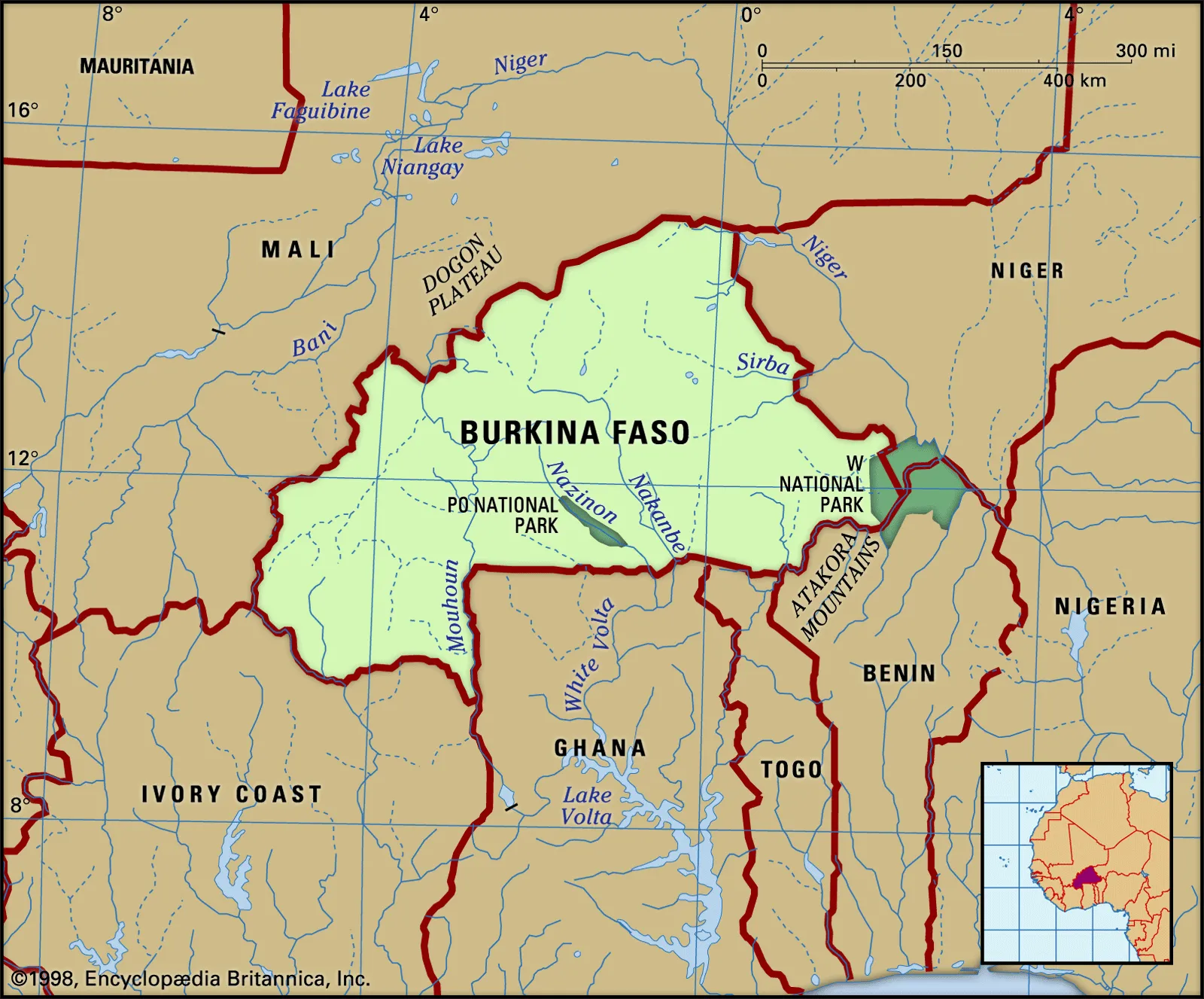
Burkina Faso is a country located in Western Africa, bounded by Mali, Níger, Benin, Côte d’Ivoire, Ghana, and Togo. As a country surrounded by many countries and as an agriculture-based country that is rich in natural resources such as cotton, shea nuts, sesame, cereal, corn, peanuts, and rice, in addition to livestock; it was a convenient place for Sana’s parents to establish a successful trading business and expand it in neighboring countries.
Sana was born in Bawku, Ghana, on the border of Burkina Faso, where he grew up and spent his school years. Although Ghana is the country that he was born in and spent most of his childhood in, Sana considers Burkina Faso his home country since both his parents are originally from Burkina Faso and national identity seems to play a significant role in the daily lives of people in Ghana. Ghana is regarded as one of the countries in Africa with strict immigration laws that invalidate the rights of non-nationals to do business as a way to strengthen a state-controlled economy. In addition, Ghanaian citizenship can only be granted by birth if one of the parents or grandparents was also born in Ghana. Thus, even though Sana was born in Ghana, he did not have Ghanaian nationality as his parents were from Burkina Faso. This was Sana’s first experience of being excluded and facing barriers to his national identity. Because of these issues in Ghana and the sense of nationality that Sana has from his family, he considers Burkina Faso his home country.
2.2. School Years in Ghana
Sana spent his primary and junior high school years in Bawku, Ghana, where he interacted with kids from different backgrounds and learned about other religions besides his own. Although Sana and his family are Muslim, his father encouraged Sana and his siblings to join their friends’ events and even go to the Catholic church if they were invited. His early exposure to other cultures and backgrounds in school certainly made Sana grow up with an open-minded view and have deep respect for others.
From interacting with many kids from different religions to playing soccer and running, Sana enjoyed school and has many good memories from that time. However, when religious and political conflicts started arising in his tribe, Sana had no choice but to leave school a couple of times for months in order to protect himself and his family. When members of the community started to fight each other for lands and because of different ideologies, it became dangerous for kids to even go to school as they were prone to getting attacked or kidnapped on their way to school that was within the enemy’s territory. Thus, Sana had to change schools three times in total and finished junior high school at the age of eighteen. Sana was able to finish high school in the northern region of Ghana and went to the University for Development Studies in Tamales, Ghana. In university, Sana became part of a student-led social activist group and started educating people in his community. This was the start of Sana’s journey of fighting traditions that violated women’s rights and becoming a target of terrorist groups.
