Sunday happened to get a visa to Japan. After the denial of his visa by the Canadian, US, and UK embassies anywhere that was possible was fine with him. At this time, from the continuous arrests and torture due to his involvement in political activities, Sunday was “about to make a burst” and kill himself. Although Sunday barely knew anything about Japan and was not where he first wished to go, he had no time to wait for another option as he was eager to get out of Uganda as soon as he could.
Starting a New Life
In 2007, Sunday fled alone to Japan with minimal belongings: 2 shirts, 2 pants, a suit, and 4,000 dollars. He was finally released from his fear of persecution and was going to start a new life in Japan. In contrast to his hopes, he faced various struggles. When asking Sunday what did you do in your first months? The first word he replied with was “nothing.” This made sense since Sunday’s motivation back in Uganda was his family, business, and political activism but he no longer had them with him in Japan. He also says he had no one to talk to, since “it was very difficult because people don’t speak English.” As for housing, he was able to afford to stay in hotels, just for a few months. No matter how challenging his life in Japan could be, going back to Uganda was unimaginable because his options in Uganda would be to either be tortured or commit suicide. His brother contacted Sunday, and the police were searching for him.
Sunday made various efforts to settle in Japan. Sunday moved around different locations including Nagoya, Saitama, and Tokyo, looking for a place to stay. His strategy was to look for people especially foreigners, who can help him with housing or a way to earn money. When asking for help, they were supportive in allowing him to stay in their houses or connecting him to other foreigners in different areas. Since Sunday was not permitted to work due to the limitation of his visa category, he had to find alternative ways to earn money. He helped a Nigerian man load containers; other times, he collected old items such as figures, speakers, and phones for a Chinese man.

“I have a problem with the house, I have no job, everything is like a mess.’
His earnings, around 2,000 to 5,000 yen a day were not enough so he often suffered from hunger. While it was tough to even meet his daily necessities, in his early years in Japan, all Sunday had in mind was, “Maybe I can connect to a different country like Canada.” However, Sunday says “It wasn’t easy.” As a matter of fact, once asylum seekers arrive in Japan, it is difficult to move to a different country due to the obstacle of getting a visa, which is required to go anywhere abroad. He sent letters to Canadian Embassy multiple times but was informed that Japan also gives refugee status, therefore, he should apply in Japan. Many refugees do not know the existence of refugee status when they first become a refugee, and after 2 years in Japan, this is how Sunday found out.
Lack of Government Support
Refugee Status
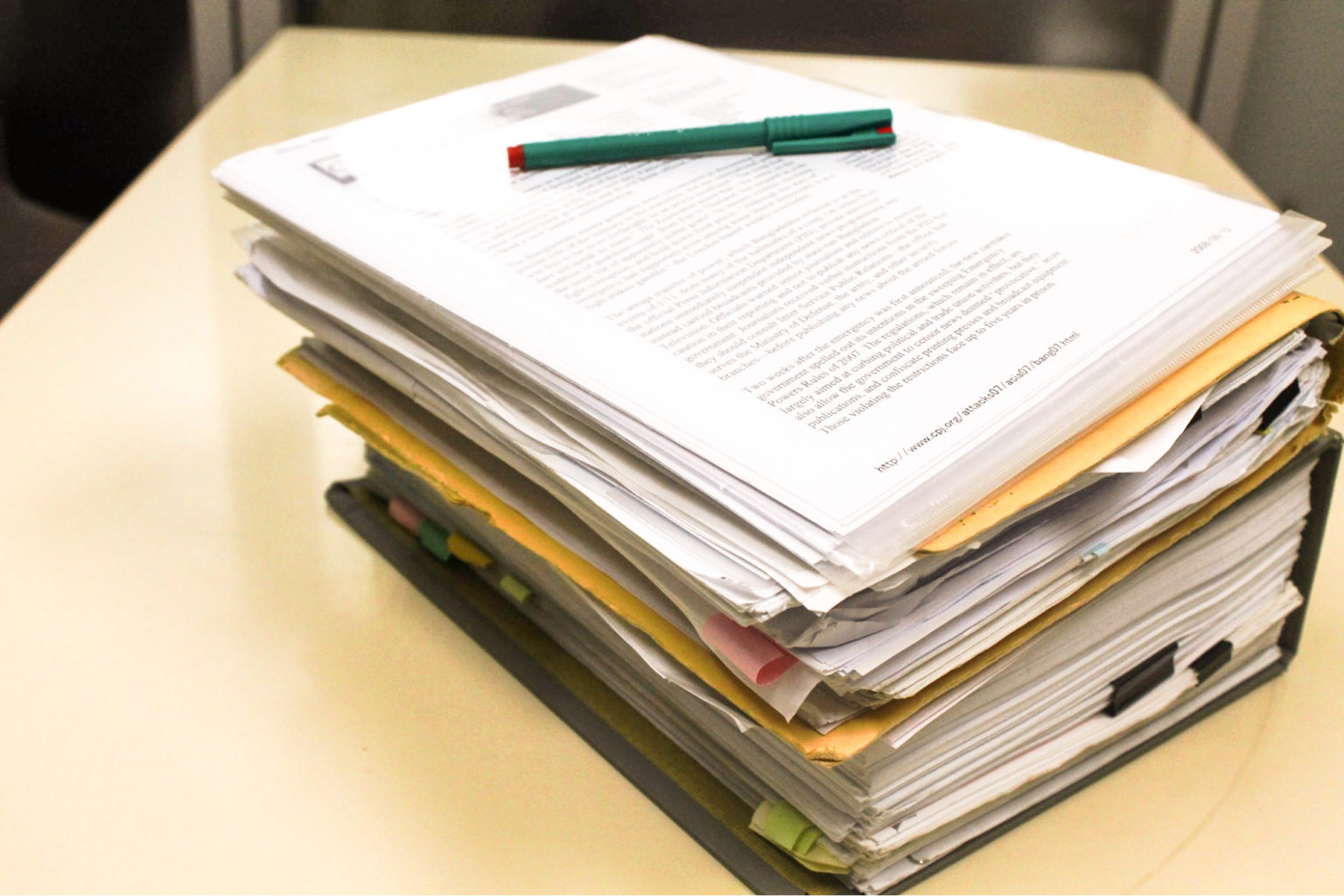
The refugee status, once accepted by the government ensures asylum seekers’ basic rights, including housing, work permit, and health insurance. This was hope for Sunday. Before applying for refugee status, Sunday and his lawyer spent hours preparing documents. Asylum seekers in Japan have a high burden in proving their persecution since they are expected to gather proof of the situation in their home country, as well as individual persecution they have faced by the government. This can be extremely difficult since it is unlikely for those who are fleeing from life-threatening moments to bring any proof with them. In the case of Sunday, since the media in Uganda is restricted and lacks coverage of human rights abuses, he created a personal statement about 30 pages long. Sunday says it’s “a very detailed document,” ranging from his explanation of his political activism and the torture he faced to pictures of torture in Uganda, death certificate, and Human Rights reports. Furthermore, they were translated by the lawyer, since all the documents need to be in Japanese.
When his application was rejected, he was not alone; many more were denied. Sunday believed there were no valid reasons for his refugee application to be denied. Months later, Sunday was able to get a Karihomen, short-term permission to stay in Japan. However, this had to be renewed every three months and did not guarantee his basic needs. By this time, Sunday was aware that asylum seekers like himself with no valid visa could be detained once caught by the police. With his fear of being taken to the detention center at any moment, he decided to go to court to sue for rejection. However, the judges disapproved.
Sunday felt hopeless. He gave all of his efforts in preparing the documents and the response he was told was, “80% they accept, but 20% they do not.” Without further explanation, the reasons for rejection were not revealed. What else could he do? If he was informed which parts of his documents were insufficient, he and his lawyer could prepare them for the next court but this was not possible. For an asylum seeker who goes to court after rejection of refugee status to win the trial is unlikely, which shows the Japanese current system’s lack of effort in accepting refugees. We asked, Sunday, why do you think this is?
In Sunday’s view, one of the root causes for Japan’s strict refugee recognition is the government’s unwelcoming attitude towards foreigners. Not only refugees, but the current policies towards immigrants are insufficient. With the government’s lack of understanding of how refugees came to Japan, refugees are especially restricted by policies. Another reason he mentions is “fake refugees,” referring to those who do not have job opportunities in their home country, and come to Japan and apply for refugee status for working permits. The recognition system has become stricter to eliminate fake refugees. As a result, those who are in desperate need of governmental support are not receiving the support that they need. Along with the reasons he mentions, the absence of a government institution in the expertise of refugees, the government’s narrow interpretation of refugees and persecution, and the lack of understanding by citizens are other reasons for Japan’s low refugee acceptance rate.
Connections for Survival
How did Sunday survive all this time? As mentioned before, Sunday reached out to many people asking for help. On the same year Sunday applied for refugee status, he encountered an old Japanese man who eventually became a key person in helping Sunday settle with housing in Japan. Here’s an interesting story of their encounter:
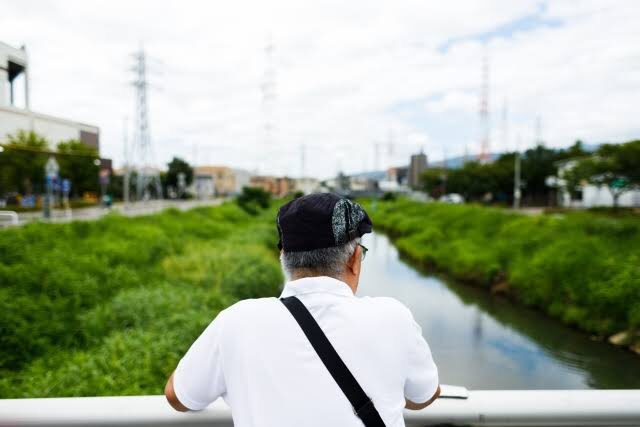
During Sunday’s regular walk by the river, he often saw a Japanese old man on a forklift. One day, he decided to approach him asking whether the old man could help him find a job or a place to stay. The old man did not understand what Sunday said, and neither did Sunday understand the man. However, the old man invited him to sit on the forklift and drove to his leather company, where a Ugandan man worked. Sunday explained, and luckily the Ugandan man had just bought an old apartment and allowed Sunday to stay. Although he could only stay there for 2 months, the Japanese old man was again helpful and introduced him to a Chinese landlord. The landlord allowed him to stay in one of his houses and there, he stayed for 7 years, until he was detained.
