“A good father must be caring of his kids, and have the love of his kids.”
Being a refugee and a political activist is not Sunday’s only identity. He is a husband, a father, and an aspiring businessman. This section will focus on Sunday’s fatherhood, activism, and his hopes for his future life in Japan.
Sunday and His Children
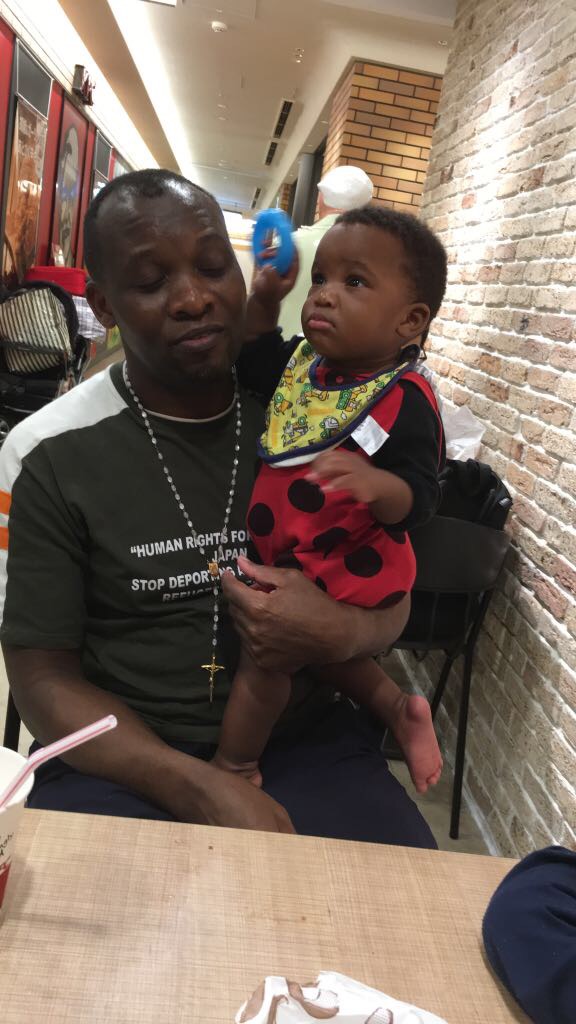

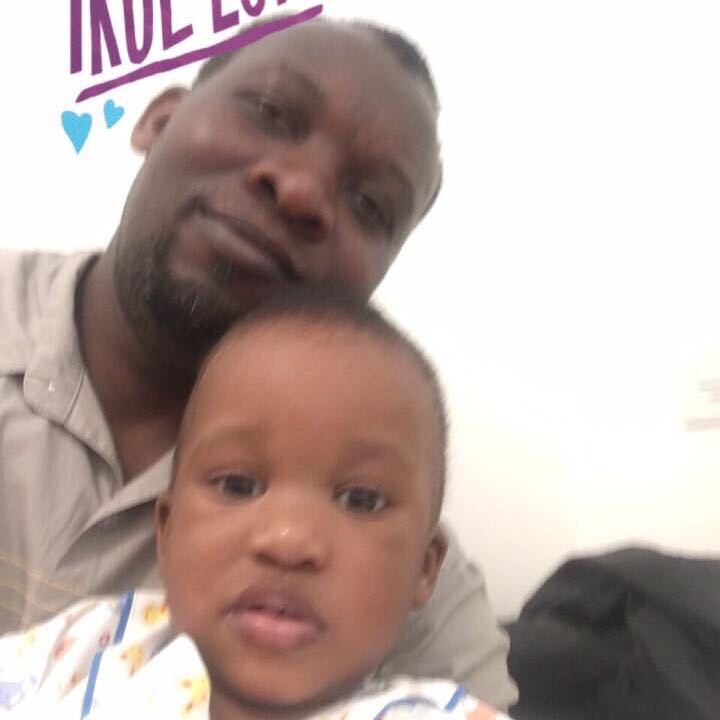

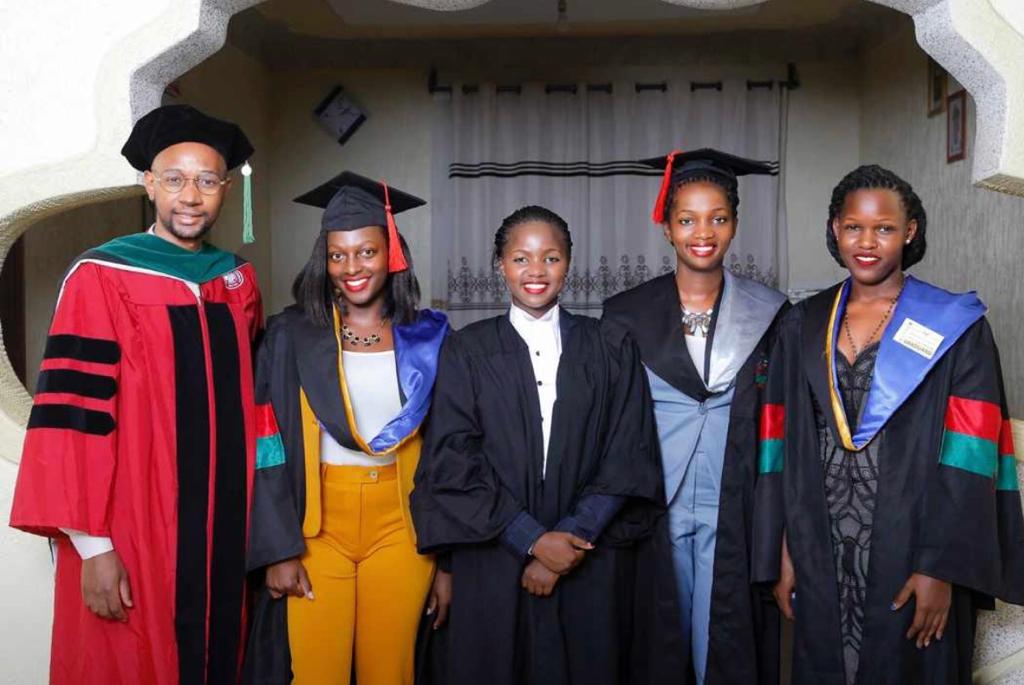
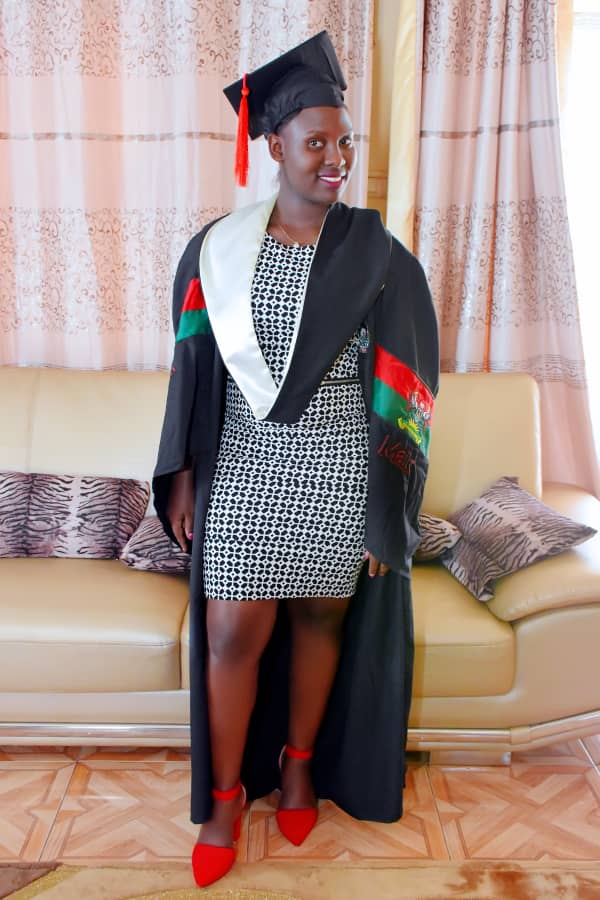
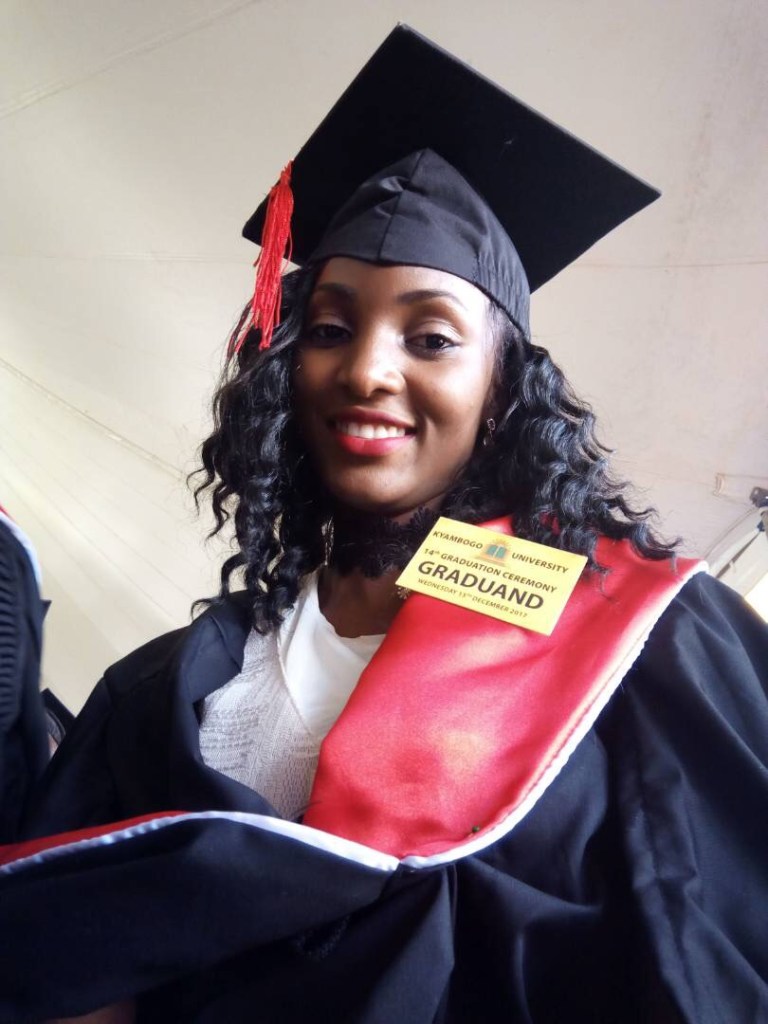
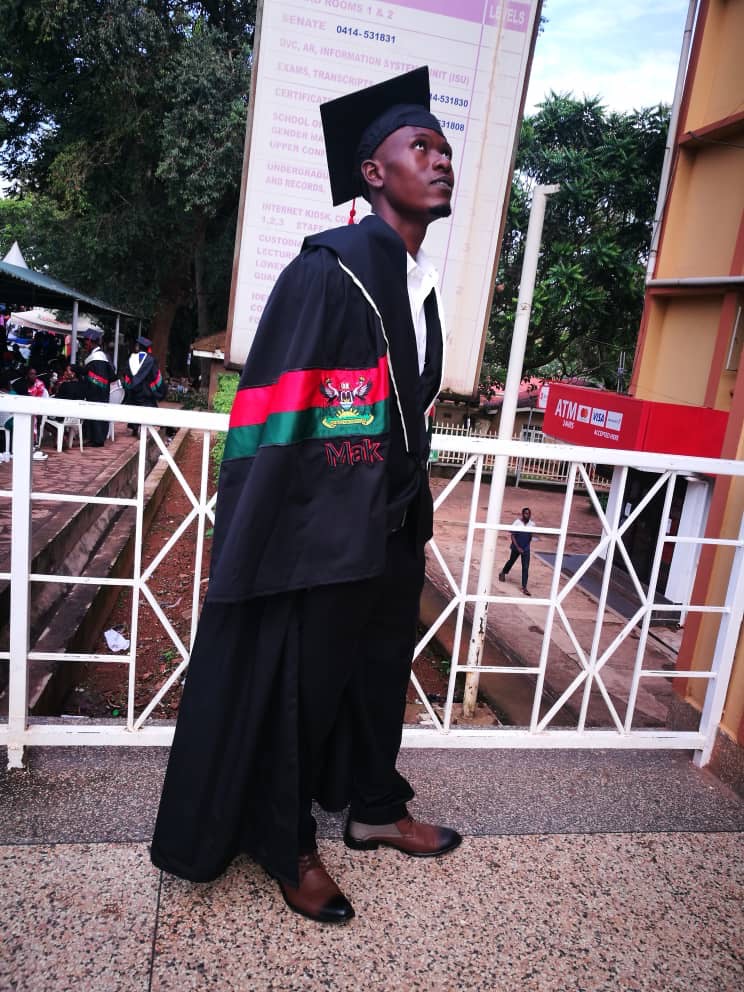
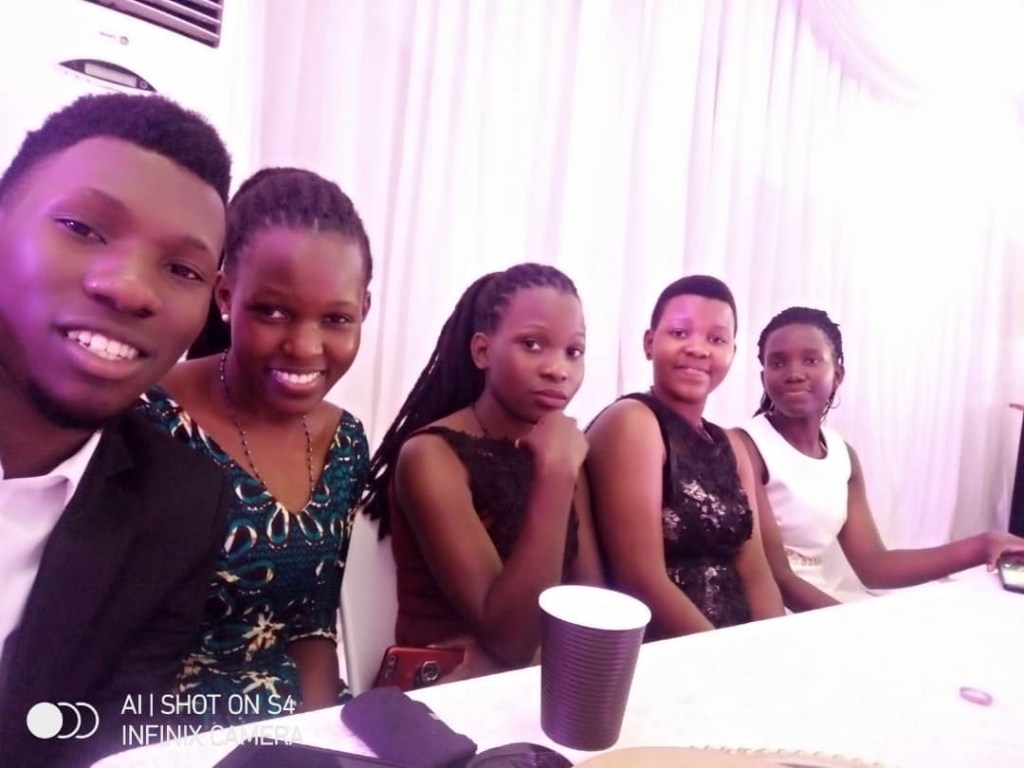
Sunday is a proud father of twenty; two of his youngest were born in Japan (pictured above). As the nephew of the King of Uganda’s Royal Family, Sunday was part of a large family. He grew up with 59 siblings. According to Sunday, in Uganda, those who can manage to have a large family had multiple kids. “A good father must be caring for his kids,” Sunday says with confidence. Sunday’s philosophy of good fatherhood is to love and be loved by his children. The kids have to be loved enough to see that their father is an example of a good father. In fact, Sunday has supported all his children in Uganda graduate university. Sunday said during the interview, beaming with pride. Education is important to Sunday, because it gives his children more opportunities in life.
Being a Father on Karihoumen
Interestingly, Sunday identifies his kids as Japanese; the color of their skin does not determine their visa status. Sunday says that he is fortunate that he does not have to worry about his kids’ visa status, thanks to their mother’s humanitarian visa. His children in Japan just started school; both kids are growing up to be bilingual; they speak English at home, and also speak Japanese fluently. Although they are growing up in Japan, Sunday says that his kids set themselves apart from Japanese people with how they carry themselves. “A strength of foreigner blood” Sunday calls it with humor. What Sunday means by this, is that his children are aware that they stand out in Japan, but they see their differences as their strengths. Despite the fact that “we are struggling a lot living in Japan, he adds that “whenever we can fit anywhere, we don’t care about the situation, we can fit anywhere in any situation we can be in that situation.” He sees the same strength in his children. Despite the visa complications, Sunday sees no difficulty in raising his children here in Japan and Uganda, other than financial ones. “Twenty kids, no change as a father,” says Sunday with certainty. As an experienced father, Sunday is sure and confident in his role as a father.
Sunday strongly believes that his two youngest kids have limitless possibilities; “whatever is possible, they can do it.” With the education they are able to receive here in Japan, along with the language skills his two children are opened to more possibilities in life. To his daughter and son here, Sunday will explain the political situation in Uganda when they are old enough to understand. “They must know,” Sunday says in a serious tone. Sunday says that he is thinking about taking his kids from Japan to Uganda “if the time comes,” meaning when and if the political situation in Uganda improves. “Home is the best always, I’m in Japan but home is the best. So even if my kids grow up here in Japan, in the end, they have to go and they will decide whether they want to be here or be there.” Whether they want to stay here in Japan or go to Uganda will be their choice, says Sunday. He also strongly hopes that his kids will have a family. In fact, Sunday hopes to expand his family very soon! Sunday wants to give his children the choice to live where they can be their authentic selves, not being restricted to a single culture. As for his children back in Uganda, Sunday said that because the political situation in Uganda is not improving, he has a plan to help his kids remaining in Uganda to leave the country.
Sunday’s Political Activism in Japan
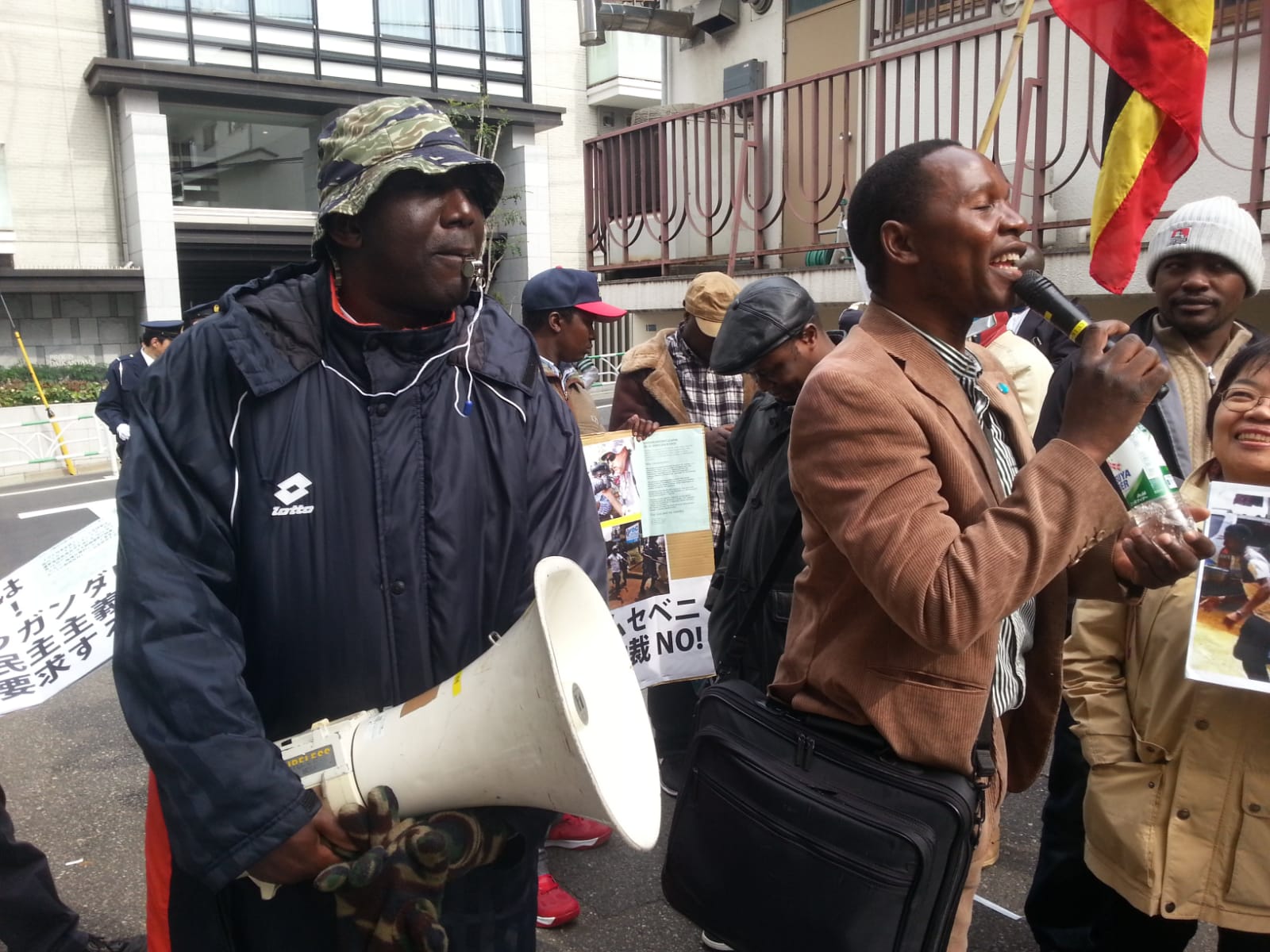
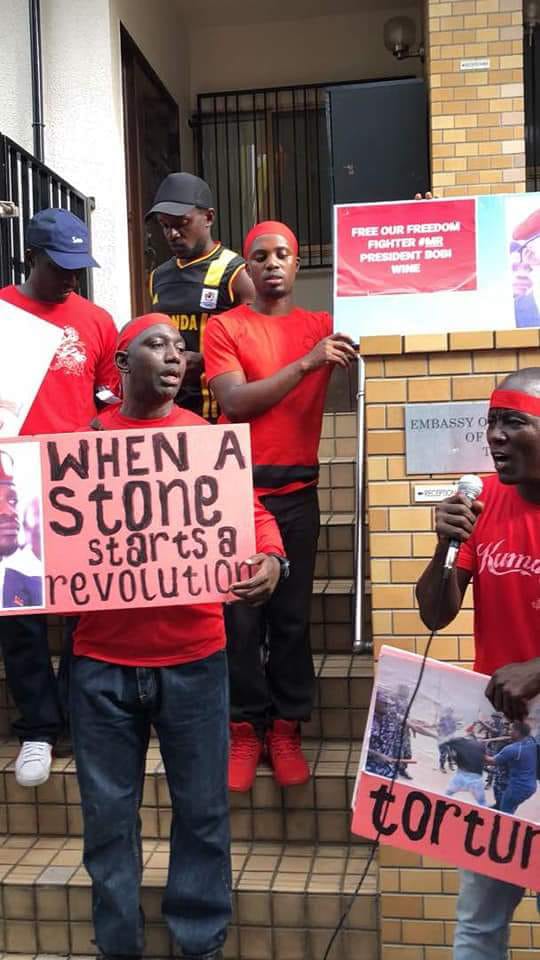
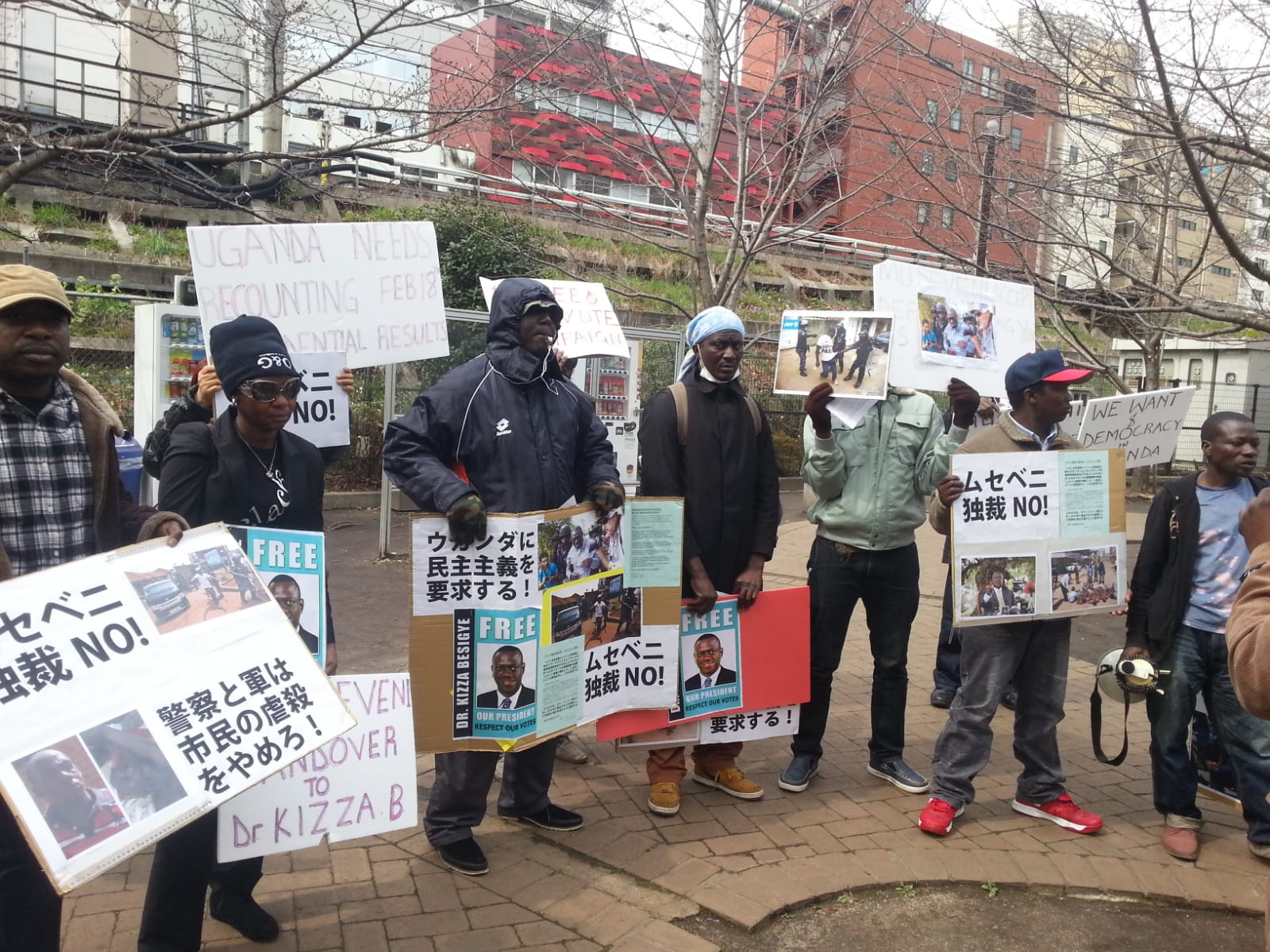
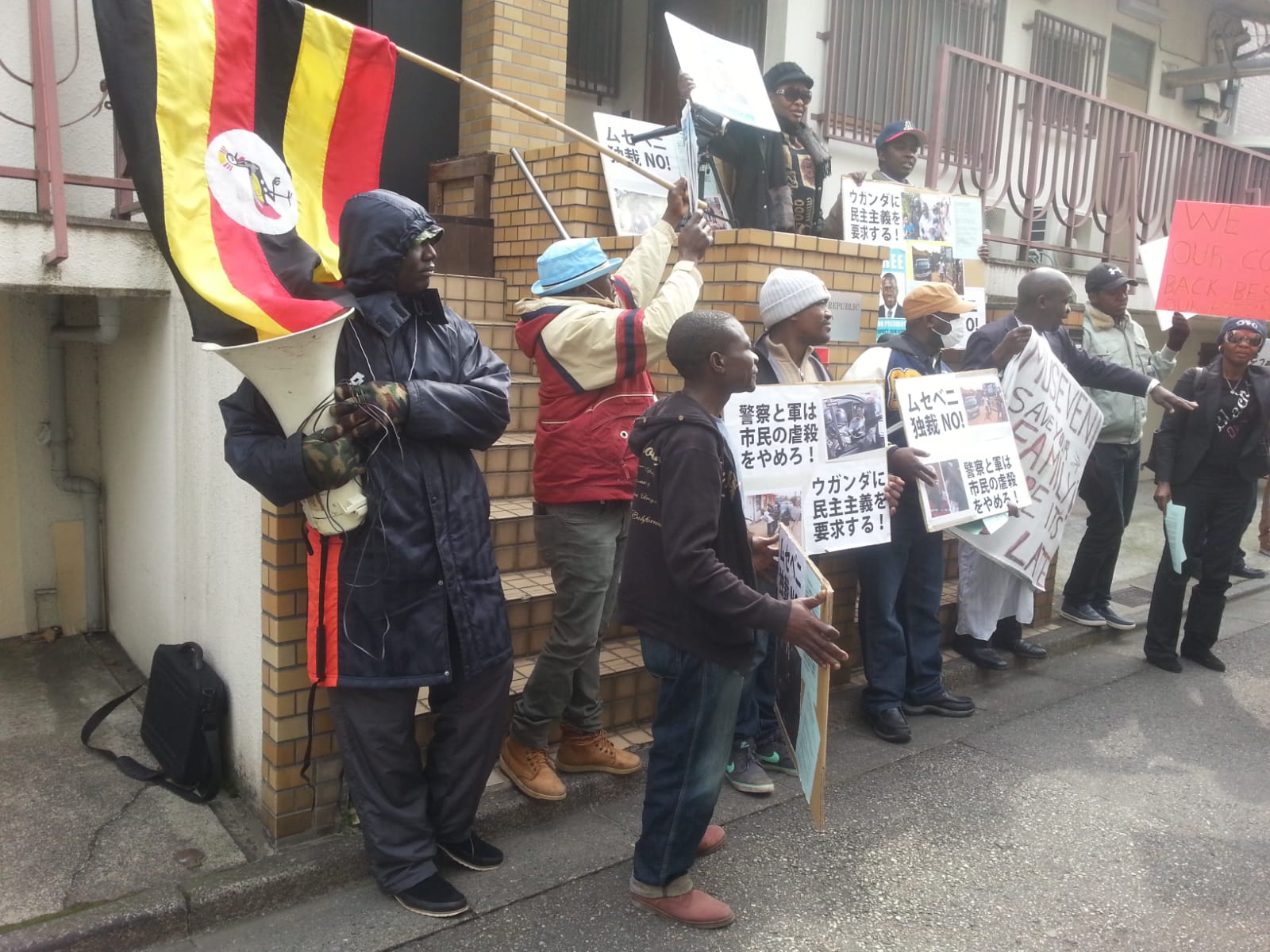
Sunday keeps up to date with the Ugandan news and is saddened to hear that the political situation is not getting better. In the latest interview, Sunday expressed his concern about how the government is handling the spreading of the COVID-19 virus. “Right now everything is COVID. When someone dies, they have five people to bury that person, even if no one has died from COVID in my country.” In Uganda, as of July 8th, the day of the interview, there were no reported deaths due to COVID-19. Uganda’s first COVID-19 death was reported on July 25th. Indeed, police have used the curfew enforced to prevent the virus from spreading as an excuse to violate civilians. As he keeps up with local news from his children back in Uganda, he warns them to not get too involved in politics. “Because they are in the city where there is, everything is around… I tried to tell my kids in Uganda to not get too interested in politics because… of what I experienced from politics,” Sunday said in one of his early interviews. This is difficult for him to tell his children as Sunday has been politically active in Uganda. Although Sunday can practice free speech here in Japan, he is aware of how different the situation is back home. Sunday is concerned that his children will face what he faced if they get involved in politics as he did.

Sunday’s Plan for the Future
“I have to be myself. If I get my freedom, instead of doing someone’s business, I can do my own… Once I’m accepted and get the visa, I’m free to do anything.”
In the latest interview, Sunday stated that he wants “to be free.” As a man of the Karihoumen status, his freedom is very limited. For example, Sunday has to get permission from the Tokyo Regional Immigration Services Bureau (東京出入国在留管理局) at Shinagawa to move between prefectures. He describes his lack of freedom as “only having the head, the other parts not being there.” Karihoumen is only a temporary leave from the detention center and does not grant Sunday the freedom and mobility he needs to achieve his plans for the future of starting a business and expanding his family.
Sunday plans to stay in Japan for now but definitely sees a future where he lives somewhere else to start a business. “My head is full of doing business. I don’t want to be a worker for somebody, for a long time.” Without freedom, he cannot expand his business ideas. Sunday hopes that his experience living in Japan will create a successful trade. “In my country different, if someone gets money, he does something like a business of his own.” As a successful businessman back in Uganda, Sunday stated in his early interviews that owning a business is a common practice in his home country. Perhaps owning a business comes naturally for him as a strong leader himself. Owning his own business would grant Sunday the freedom, independence, and autonomy that has been denied due to his Karihoumen status.
“In Japan, nothing changed,” says Sunday when asked about what has changed between the last two interviews (one in 2018, the latest in 2020). However, Sunday is worried about his stay in Japan as immigration laws may change.
Sunday is referring to the news story released on June 15th, a few weeks before the latest interview. A government panel of experts proposed “to urge foreign nationals who are residing unlawfully in Japan to voluntarily leave the country, while also implementing a penalty system for those failing to obey, as part of a scheme to dissolve the long-term detention of foreigners,” calling it an “alternative to immigrant detention”. According to a guide to international refugee protection and building state asylum systems published by the UN Refugee Agency, those seeking asylum should not face deportation until a final decision on their appeal has been made.
The aforementioned panel of experts believes that this law is being taken advantage of and that there is a need to be regulation for asylum seekers who have applied multiple times. Alternatively, there is a group of lawyers who rebut these proposals. “This debate seems to have been done with the prior intention of excluding foreign nationals. It is very disappointing that there was only a drastically small amount of discussion regarding taking in and liberating those in detention centers. The panel is not seriously considering why the detention of such individuals is necessary.” (The Mainichi). If these new laws are implemented it would put refugees like him in danger of deportation. Although Sunday doesn’t have to fear for his life in Japan as he did in Uganda, he also feels unwelcome here. This duality of being thankful for security and blatant intolerance is common for refugees in Japan.
Message to the Audience
In 2019, Japan accepted 44 out of 10,375 refugee applicants. The Japan Association of Refugees states that the misunderstandings and prejudices held against refugees are one of the causes of low acceptance rates.
Indeed, Japan was not Sunday’s first choice in seeking refuge. Sunday left his beloved country that he fought so hard for after facing countless state-sponsored violence. Like many, Sunday’s refugee application was not accepted, and was later detained for overstaying. Despite being detained, Sunday remained strong; being detained is far from the worst he has experienced. As he leaves the detention center on Karihoumen, he says that it is no different than being inside the detention center. Although Sunday is out of the detention center, he does not have the freedom that he deserves.
Sunday strongly believes that the only difference between him and other Japanese people is skin color. Even in the detention center, he observed that the guards also working there are detained like him in a sense. The color of the skin does not determine the good nor bad in a person. He would like more Japanese people to realize that “we are the same people, the color is nothing.” He wants the Japanese to see the similarities rather than the differences.
