“I focus on my present time and keep working hard at what I’m doing.”
A refugee or any displaced person must adapt to a new environment. One could say that they must play the roles they are fortunately given. By focusing on the present roles provided, Yasser was capable of developing and continues to develop his character.
Table of Contents
- Hard Work and Even Harder Reality
- Good with Kids
- A Fight Against Misconception
- On Screens
- So… What’s Next?
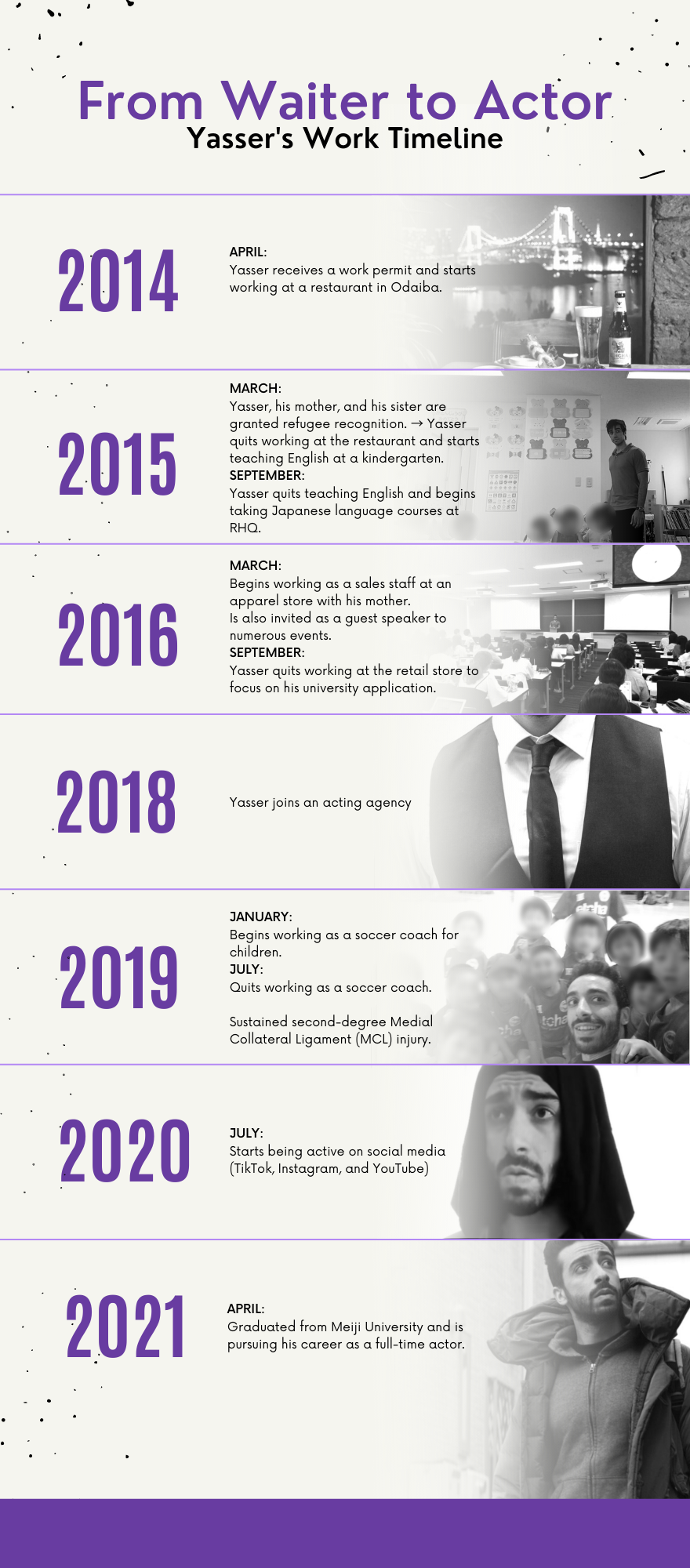

1. Hard Work and Even Harder Reality
1.1. The Asylum Cocktail
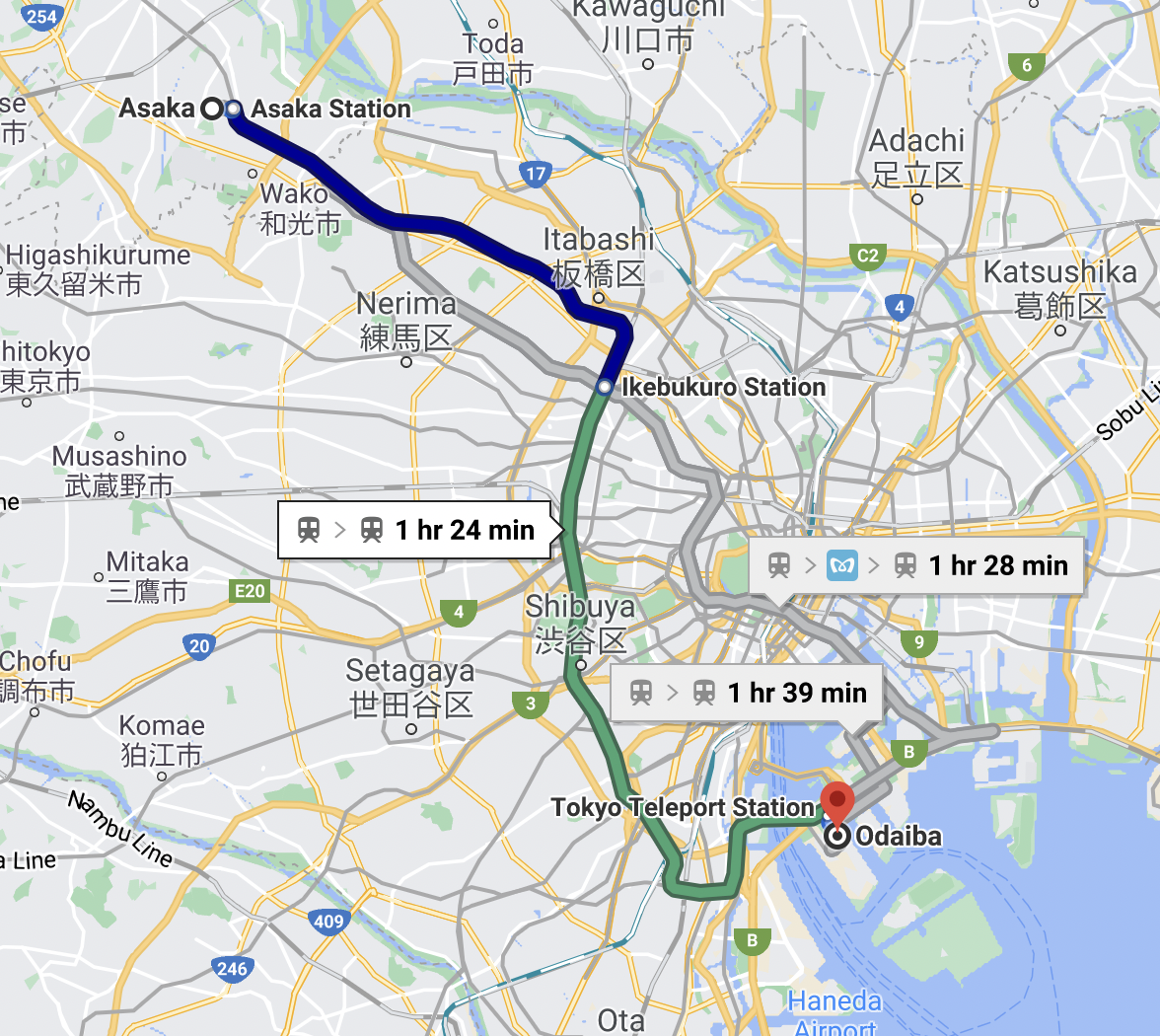
The first role for many actors, including Yasser, is as a waiter. This is where he patiently waited for his “big break” of finding better roles in new workplaces in Japan. Meanwhile, he waits tables and bartends at a restaurant located in Odaiba City for 6 days a week, almost 12 hours a day. It took him 2 hours one way to commute from his home, Asaka, to Odaiba; Yasser had to face heavy responsibilities and hard realities during the start of his career as he had one thing on his mind: financially uphold his family in Japan – his sister and his mother – as well as his father who was in Syria. “Just surviving and providing [for] the family for the first year and a half or two years was my only goal. I wasn’t thinking about university, work, my future, or what I want to do, or what I’m passionate about”.

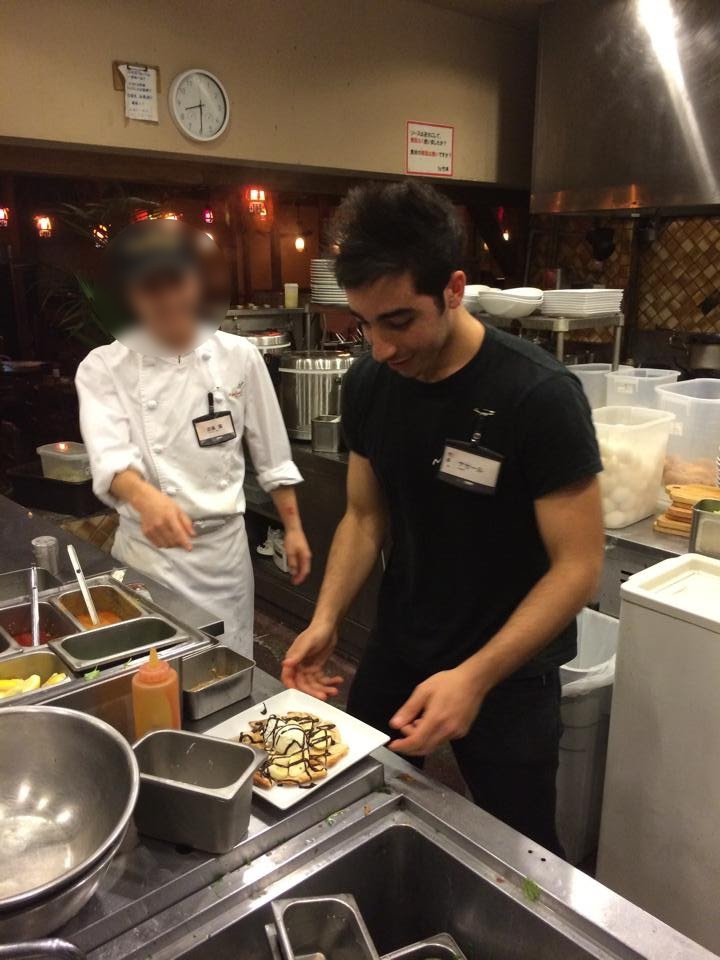
From working at a bank internship in Syria, and having to re-start his career in a foreign country, Yasser has experienced upward progress since his time as restaurant staff. During his shifts at the restaurant, he was taught Japanese from the basics; there were staff who helped Yasser learn Japanese phrases and the names of their meals and cocktails in hiragana and katakana. As it was mandatory for him to communicate in Japanese with not only the customers but also with the staff, his Japanese proficiency skills were improved. After four months of continuous work, Yasser was able to reach his first stepping stone: successfully being placed in the osoban – closing – a shift from 4 PM – 3 AM. By obtaining the closing shift, Yasser was able to close the cashier – regishime. In other words, he was not only able to further enhance his Japanese proficiency skills but was also able to handle the most important task; he was entrusted to handle the money. The cashier closing could be described as one of the toughest but also necessary tasks to run a store as it not only detects errors in change as well as sales but also data important in figuring out how to increase sales in the future. Thus, Yasser was in charge of determining the future of the restaurant’s sales. He recalls his experience with this progress: “I did my best to memorize everything and show him [the manager] that yeah, I can do that, even though I don’t speak Japanese”.
“When I’m in my kyuukei (break) or I’m outside still like planning, thinking, you know, a lot like with, with my reality basically.”
However, it is to say that he was “absorbing the situation or like my reality still at the time” since fleeing Syria. In other words, despite maintaining a positive face while working at this “hard” job, he understood that he bore the responsibility of financially providing for his family – specifically his mother – following the words of the Quran: showing his parents respect by not putting them in poverty. While acknowledging said responsibility, his first job as a waiter was salvaged as there was a sense of respect among workers: “Everyone else was super respectful and that’s all I needed at the time […] I think I was super lucky and at the time I needed really nice people because I was already packed up with everything happening around me”. Respect is needed in work environments, regardless of the industry and skill required as it allows for the employees – in this case, Yasser – to feel motivated and rather happy, improving teamwork and promoting a positive culture. Respect can also be intertwined with one’s social inclusion, for one to enjoy equal opportunities and rights as natives; for Yasser, respect was needed as he felt homeless, fleeing from Syria, Egypt, and Lebanon, finally seeking permanent accommodation in Japan where he had successfully been able to receive the refugee recognition. Thus, as he begins to face obstacles throughout his different roles, he continues to uphold an optimistic outlook due to his religion but also respects his harsh reality.
1.2. Hidden in the Back
Yasser had to stick to the roles that were given to him; he was not able to yet freely choose the roles that he truly desired. Upon gradually improving his Japanese proficiency skills – since progressing from his role as a waiter – via the Japanese language courses conducted by the Refugee Assistance Headquarters (RHQ), Yasser alongside his mother was introduced to several possible occupations by RHQ. One of the choices was a sales staff at an apparel store at Ikebukuro which was closer to where they lived. His mother, in particular, opted to work as a sales staff as she wanted to work long-term; she worked for 3 years before quitting. He, on the other hand, worked with his mother for approximately 8 months as a means for his mother to familiarise herself with the work; he worked as a sales staff during his preparations for entering university and while as a university student. Yasser reveals that it was “one of the best options” as others were factory and warehouse jobs. However, despite mentioning that it was one of the better options given, Yasser, as well as his mother, endured difficulties.
“Even if you’re doing hard work, it’s like you’re a refugee. You have to work hard […] That’s how they look at you. That’s how you feel.”
His colleagues knew of his identity as a Syrian refugee; Yasser believes that his identity helped him receive his role at the apparel store at the time.
Still having to accept his harsh reality, heavy responsibilities, as well as juggling university assignments, the working environment at the apparel store had not given Yasser some slack; in contrast to his restaurant job where he was respected, thus, ameliorating his work experiences, he instead continuously “fought” for respect as a foreigner and a refugee from his co-workers.
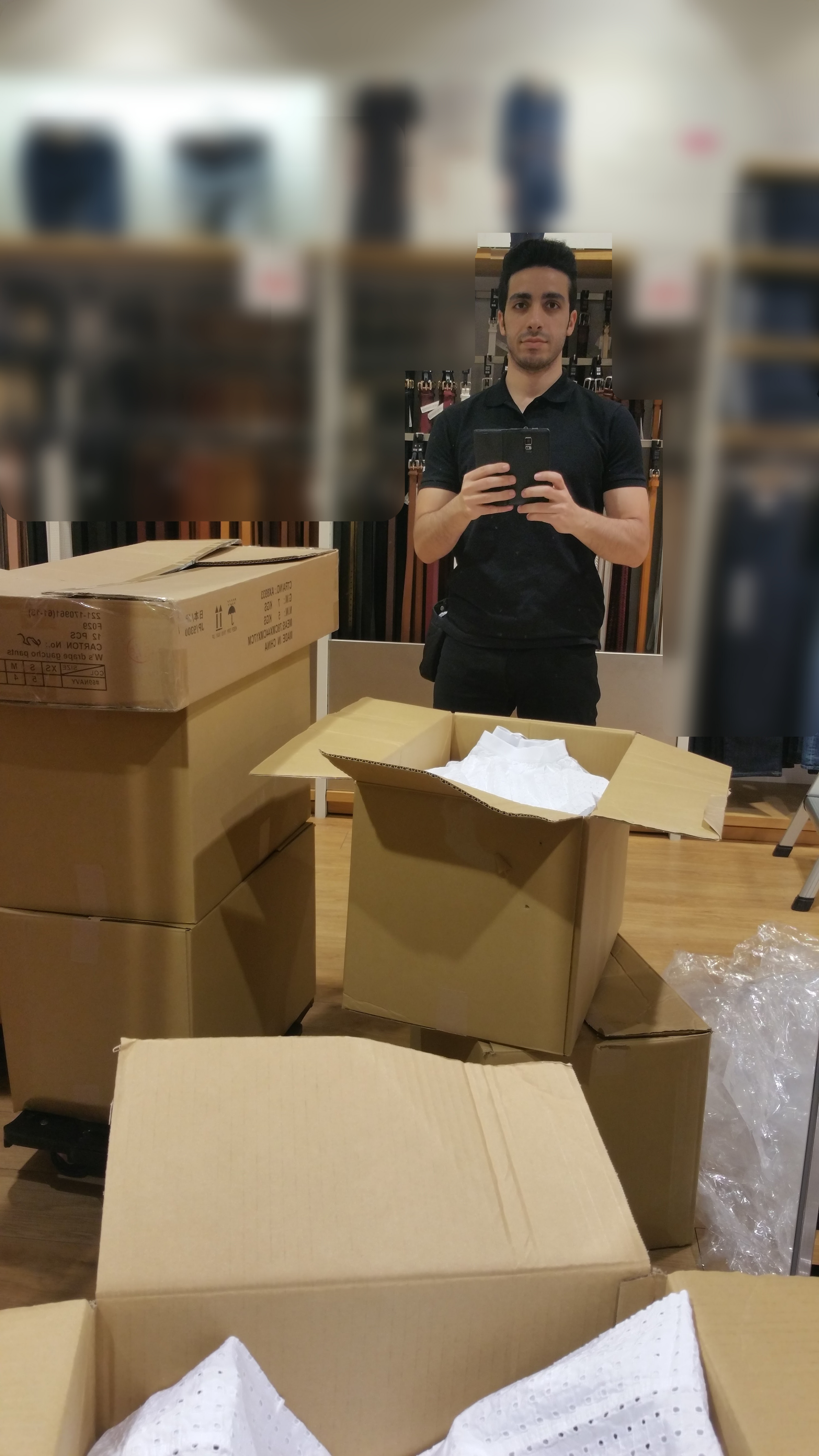
In one incident at the apparel store, Yasser mentions how he worked overtime until night with one of his managers who was – according to Yasser – under stress, opening packages. Yasser had stayed behind out of consideration to help the manager, as Yasser knew the manager would be scolded by the higher-ups for not finishing the task. While in the middle of opening boxes, the manager suddenly lashed out to Yasser: “I don’t know why… Maybe he has his own style of putting the tape on [the box]”. The manager had demanded Yasser to re-do the task, “trying to show power or show authority”. This incident diminished Yasser not only as an employee but also his identity as a foreigner and refugee. It had been one of the major confrontations he had during his time as a sales staff. Japan has an infamous reputation worldwide for having a stressful and overworking work culture as depicted by the phenomenon, karōshi or ‘death from overwork’. Hence, those from abroad, placed in the new setting may experience culture shock. In fact, one of the top five complaints from Japanese managers regarding foreign workers is that they do not understand cultural and traditional concepts considered common sense to Japanese people. One of these common senses in Japanese culture is the ability to persevere oneself during tough and unexpected times, also known as ‘gaman suru’, as a means to maintain harmonious social ties. This can take the form of sacrificing one’s time for long hours at work. In other words, in the hierarchical and collectivist society, it is atarimae – obvious – for workers to gaman suru as well as conform to other cultural concepts taught from a young age, which Yasser uncovered later on in his life. Therefore, the differences in work culture made Yasser feel as though he was not respected by his colleagues despite completing his duties and continuously working rigorously, illustrating the difficult reality of social integration.
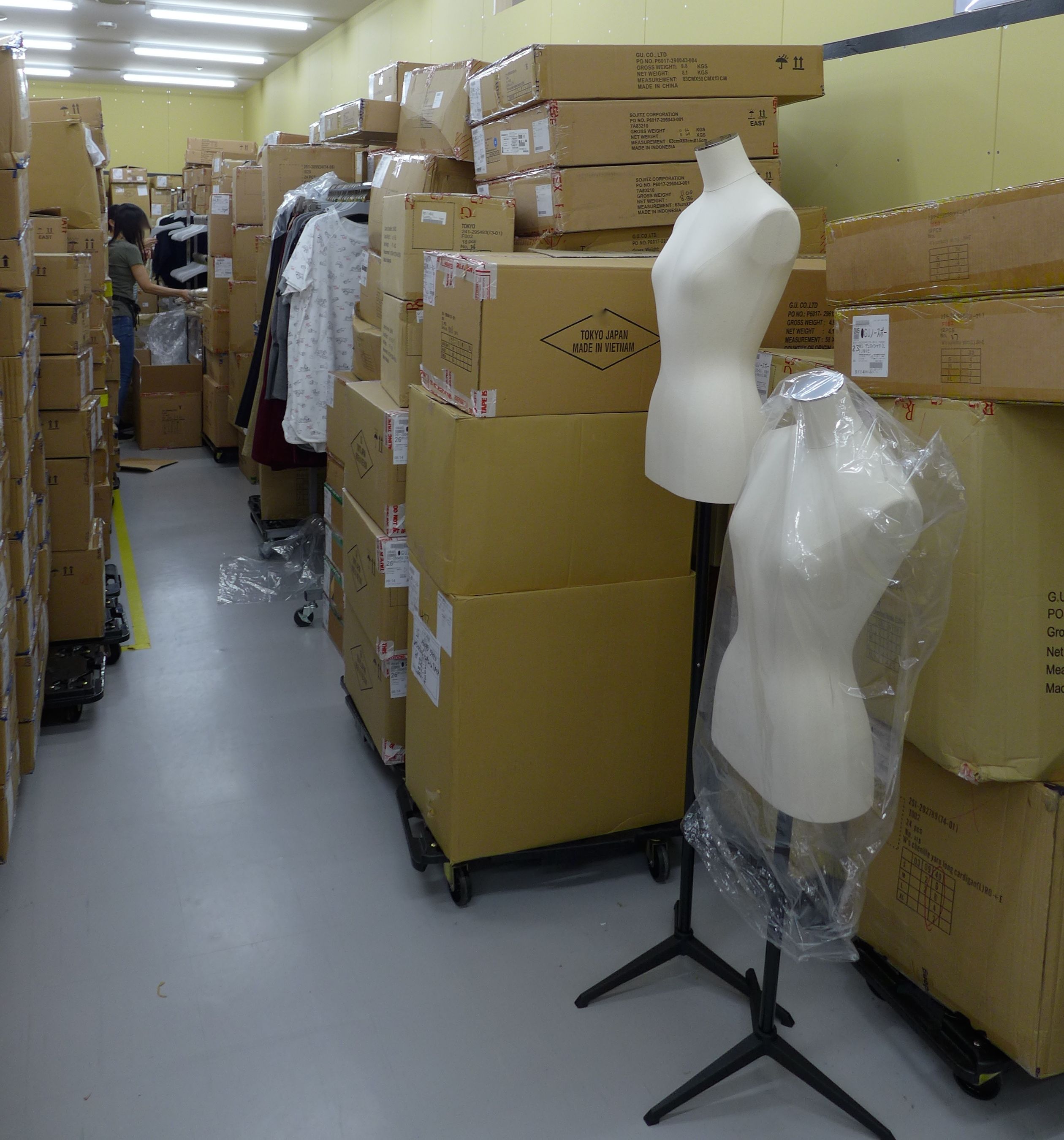
“For all these three years, just to be outside, just to show –– to show them that yes, she is doing her best, she’s working and that’s what she loves to do”
During his time at the apparel store, playing the role of a sales staff, he had worked in the stock room with his mother unboxing and hanging clothes after his university classes from 6 PM to 11 PM, in spite of speaking proper Japanese at the time: he did not want to leave his mother’s side who was not able to speak Japanese fluently: “She always told me ‘I wish I can speak Japanese like you guys’”.
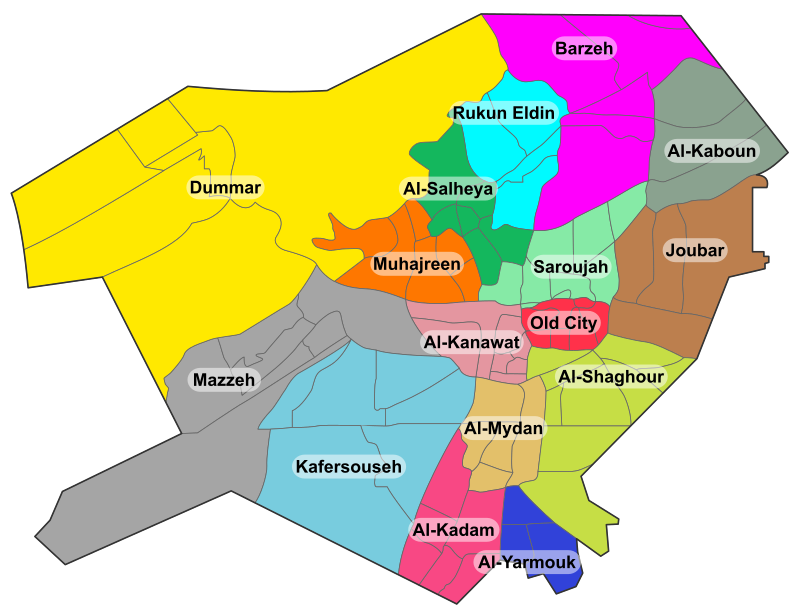
In Syria, both his parents worked. His mother in particular loved working especially in Syria as “you don’t work as much as you do here. For all employees in Syria [including his mother] you start from 8 AM and finish by 2 PM. Schools are the same so after that, all the family’s together”. In Rukneddine or Rukn ad-Din, one of Damascus’ municipalities where Yasser and his family lived, Yasser not only described there is a healthy work-life balance but also “there were a lot of families – like both parents – working”, showing the shifting role of women in Syria’s economy.
After graduating from the formerly known Commercial Institute in Damascus University and working at the Syrian National TV for 20 years, Yasser’s mother decided to work at a retail store upon her arrival to Japan, hence, experiencing drastic changes in the working environment: not only with the language barrier but also with the degree of respect received. Although this is not a direct story of Yasser’s, this still depicts the downward mobility which his mother – the person Yasser is perhaps closest to – had to experience. It is crucial to note that his mother is not alone in experiencing this downward mobility; it is a reality that most refugees have to experience upon their arrival to a new location, having to adapt to their conditions and roles. In other words, refugees and displaced people cannot resume old occupations due to reasons such as language barriers as well as invalid degrees and licenses, hence, are forced to take jobs of lower status than in their country of origin. Regardless of this obstacle, Yasser’s mother continued with what she was passionate about: work. Therefore, Yasser was influenced by his mother to show how hardworking refugees are as well as to continue pursuing his passions resiliently.

2. Good with Kids
2.1. The English Teacher (Not) from England
“They interact with you as a human being, you know, like they don’t care where you are from.”
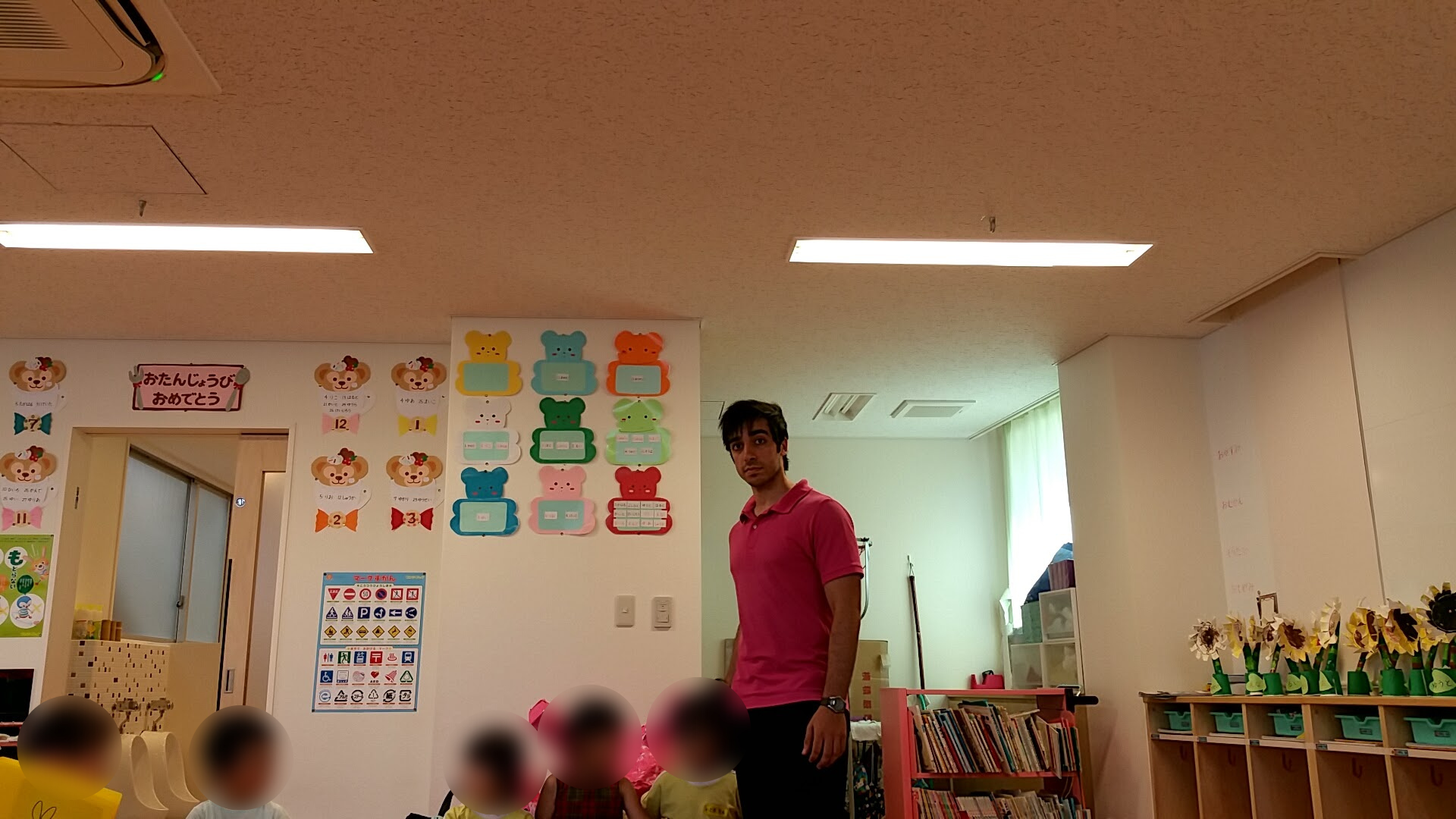
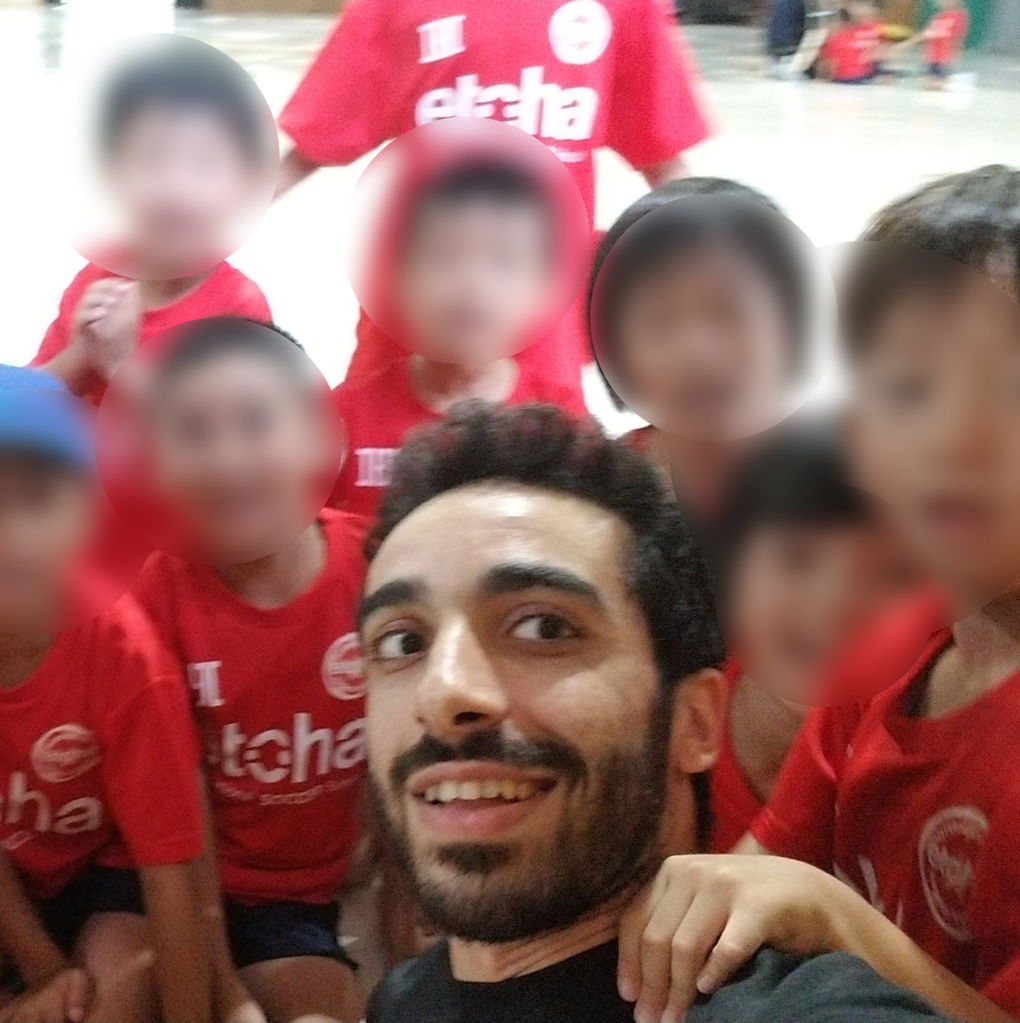
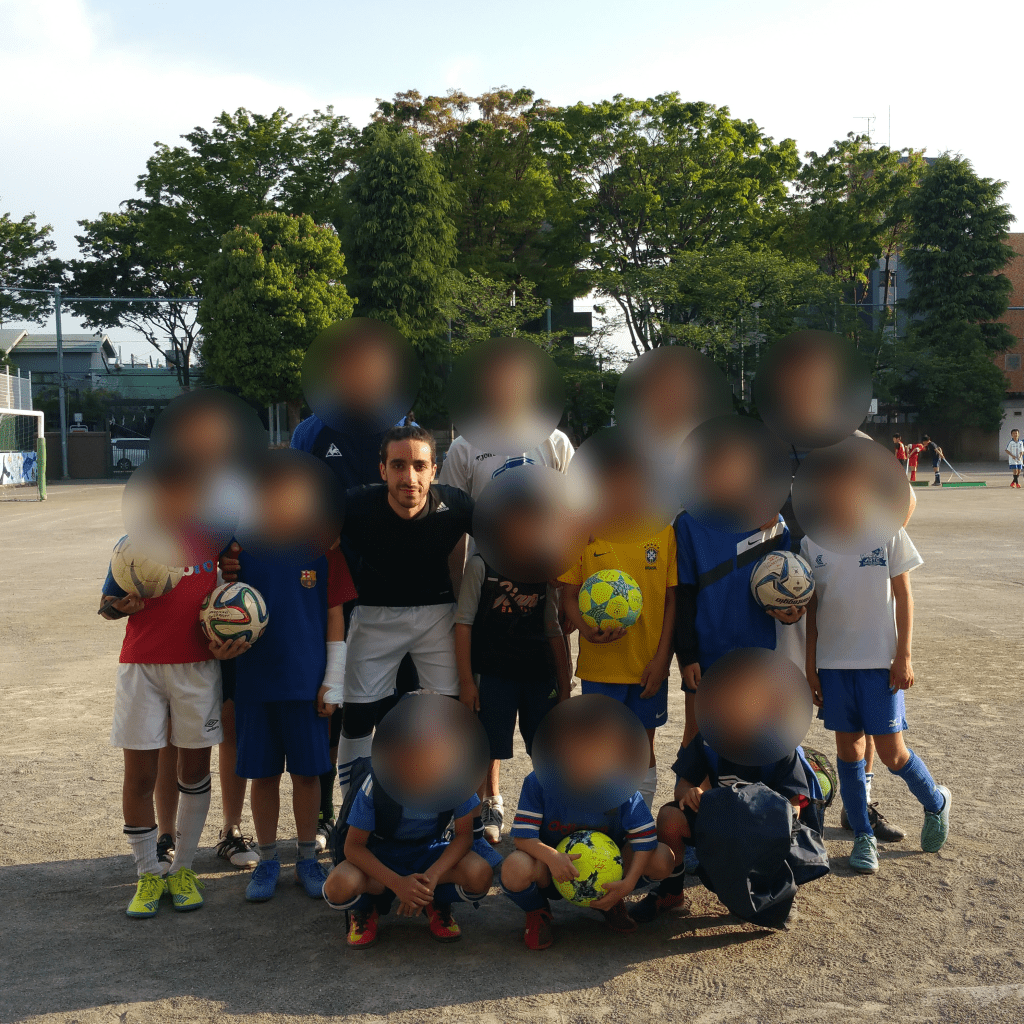
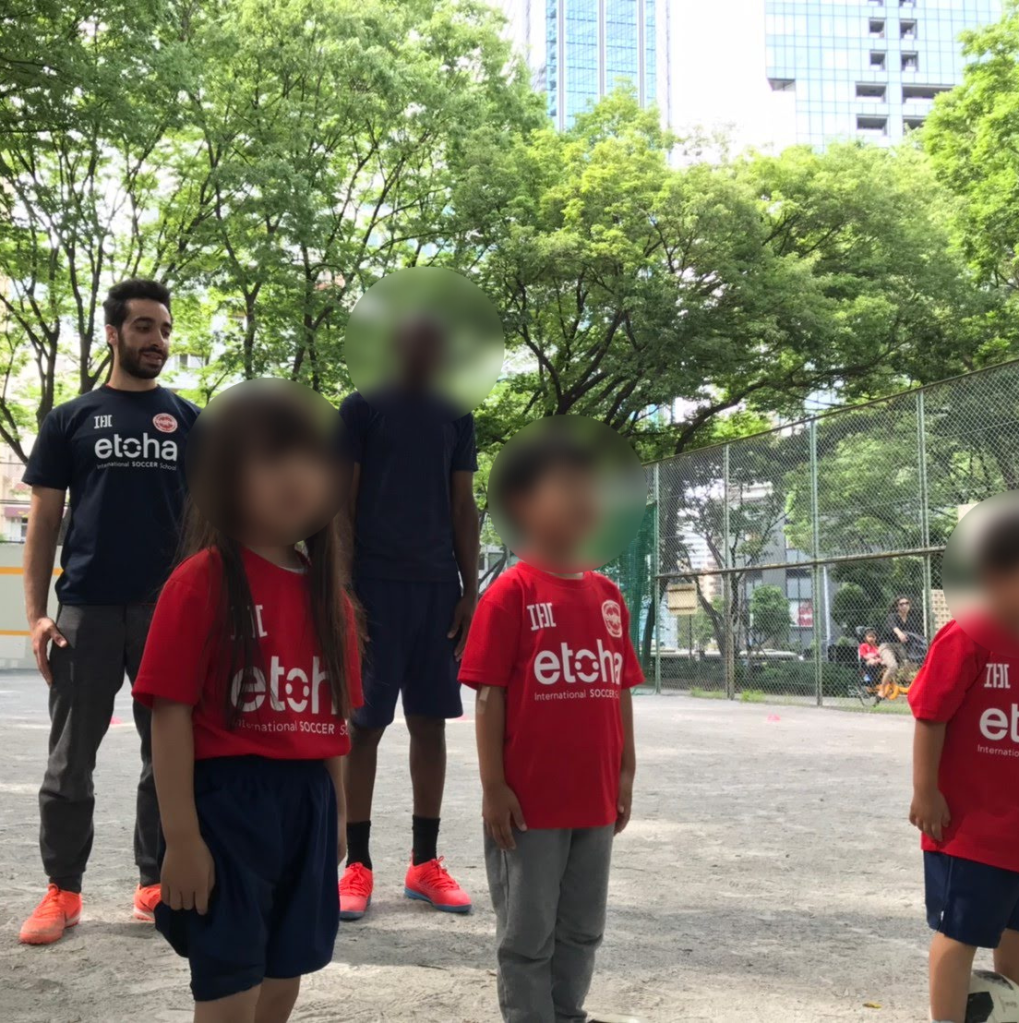
Despite the lack of respect from his adult co-workers in his previous role at the apparel store, Yasser cherishes his time as an English teacher. Although he did not explicitly mention where he is originally from, due to the work contract (he was instead introduced as an English teacher from England), the children as well as their parents nevertheless treated Yasser humanely. “Sometimes you talk to them to give them a brief summary about what their kids learn. But they didn’t go into details like ‘where are you from’ and stuff like that”.
This perhaps underscores that prejudices regarding one’s identity are usually transmitted. However, on the other, this also highlights another perspective that migrants – those who do not move across borders due to persecution but rather for reasons to improve their lives, allowing for them to return home safely with their rights protected by the government – particularly from countries such as the UK, the US, and Japan, are much more respected compared to refugees and asylum seekers, who do not have a choice but to escape their country due to fear of persecution, specifically from countries like Syria, other Middle Eastern countries, as well as African countries.
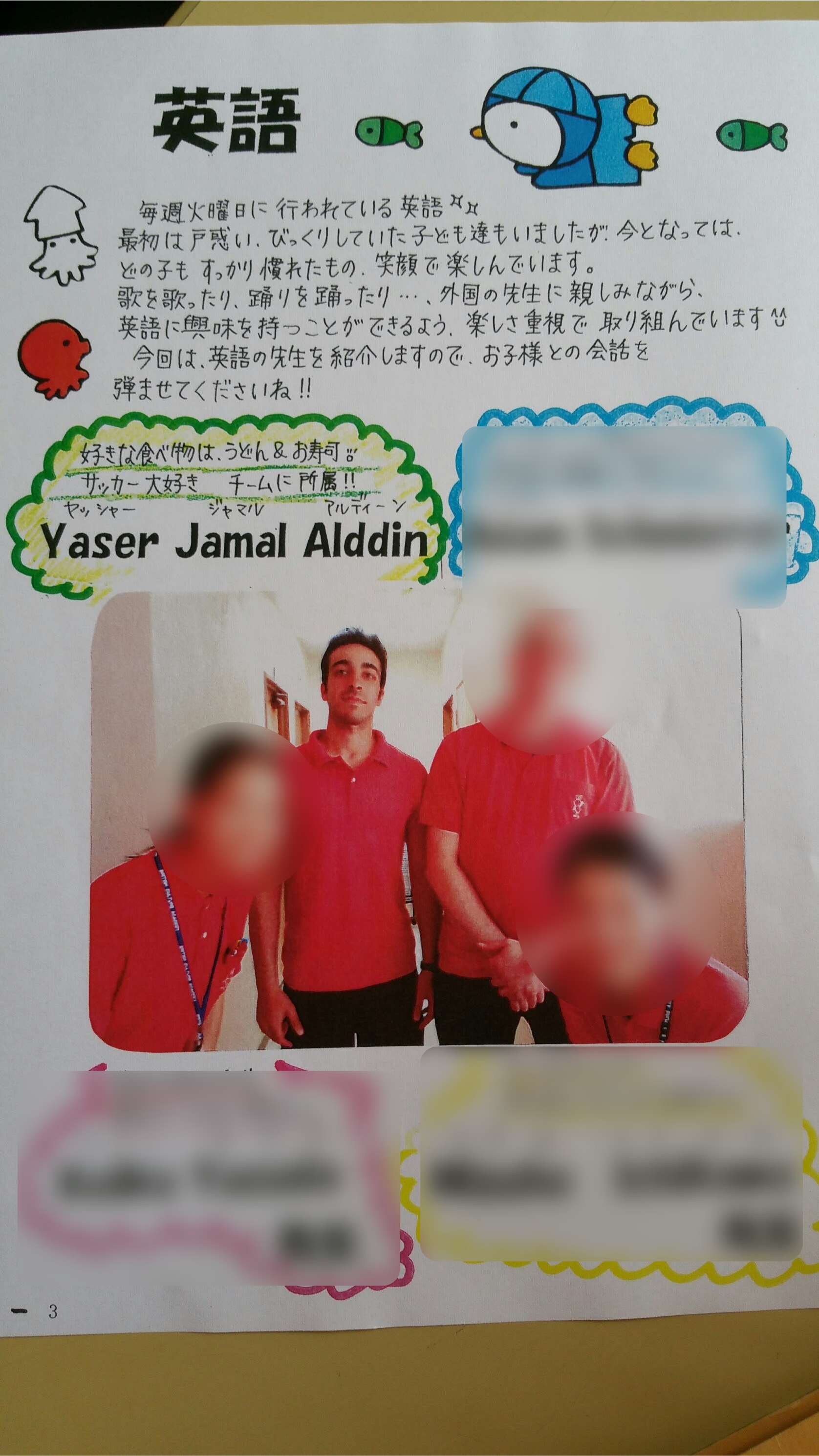
Nevertheless, this gave Yasser great comfort of being and feeling humanized by some of the members of the Japanese society, regardless of his identity, thus, perhaps being able to slowly socially integrate.
“There are some people who really don’t like refugees in Japan. That was super clear from those comments.”
Although experiencing the highs in his role as an English teacher, Yasser also experienced some lows, particularly from the Internet. Subsequent to his interviews who were interested in his experiences as a Syrian refugee, the misconception of Muslim refugees and their ‘extreme’ Islamic beliefs are nevertheless reinforced by the mainstream media and prevails in Japanese society.
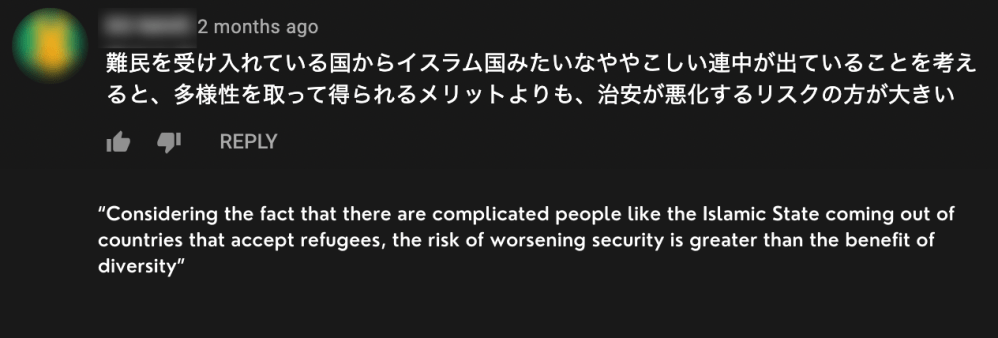
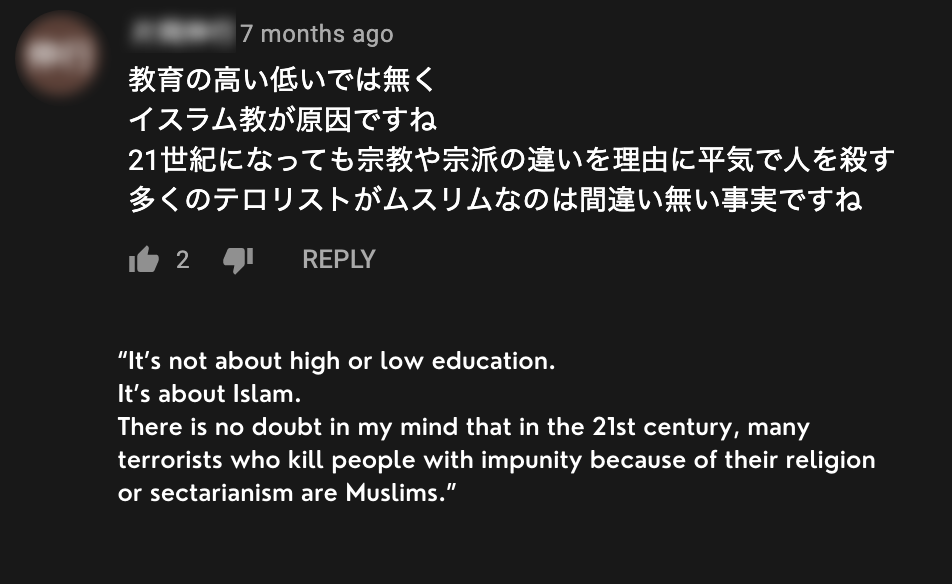
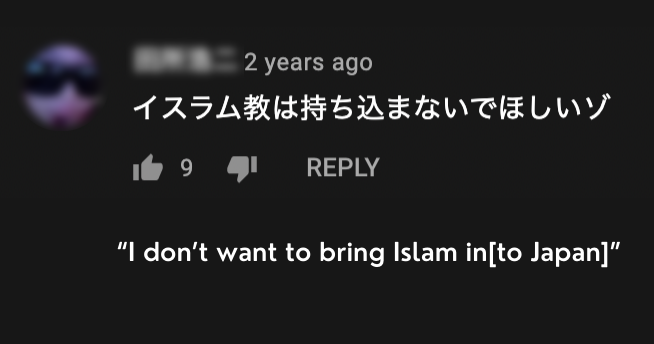
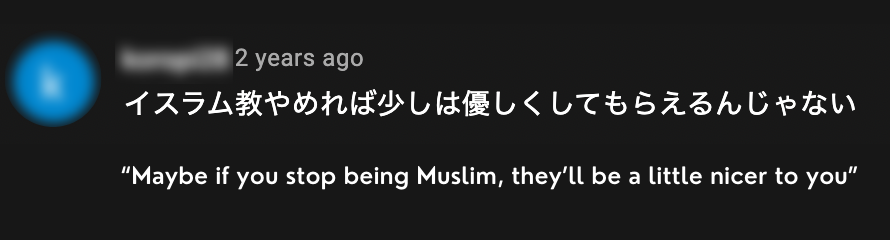
In the post-9/11 realm, Western societies as well as Japan have experienced a rise of Islamophobia or prejudice against Islam. In particular, in Japan, prejudice against the religion is accompanied by religious apathy and phobia of the religion as well as ignorance. Such ignorance is often manifested through the association made between Islam and fundamentalism/extremism, and Muslims and terrorists.
In pre-war Japan, the Muslim-Japanese relations (i.e., specifically between Japanese Pan-Asian nationalists, who served the imperialist goal, and Muslim diaspora nationalists and Pan-Islamists who sought to liberate from Western colonial rule) have flourished through informal ties rather than formal diplomatic relations. However, such a relationship faded over time, leaving the Muslim and Islam communities remaining relatively unknown to the general Japanese public today. However, major events such as the 9/11 attacks in 2011, the Charlie Hebdo shooting in 2015 in France, as well as the kidnapping and murder of two Japanese nationals by an Islamist extremist group in 2015, provoked fear among Japanese citizens and brought rather negative national interest in the religion and its followers who continue to be a minority in Japan.
In 2001, the former Japanese Prime Minister, Koizumi Junichiro, pursued close relations with the US. In mentioning that, subsequent to the 9/11 attacks in the US – the country Japan was closest to at the time – the Japanese police became vigilant against terrorism, targetting Muslims in particular. Therefore, such an event unsettling many worldwide, had consequently reinforced the image that most, if not all Muslims equate to terrorists. In other words, Muslims were perceived as a threat to Japanese national security and such a notion continues to pervade in contemporary Japan. Additionally, there is a lack of teachings of Islam and the Muslim world in Japan particularly in Japanese high schools. Certainly, there are mentions of Islamic civilization, underscored to be important during the medieval period. However, it is often the case that Islam is associated with aggressiveness as well as strictness; the biased and stereotypical portrayals of Islam and Muslims are further embedded and remain dominant as the Japanese media usually focuses on wars, terror attacks, political affairs, and religious customs that may seem to be backward to some, instead of focusing on the daily lives of Muslim individuals: “People were curious about Islam and what we do. Why Ramadan? Why not drink and why not eat pork? All these questions”. Due to the lack of knowledge of Islam in Japan which is attributable to the low refugee acceptance rate, it promotes such misconceptions, fear, and Islamophobia, creating this continuous cycle and making it difficult for refugees like Yasser to be fully integrated into the wider population.
2.2. A Dream Come Untrue
3. A Fight Against Misconception
“I wanted to also prove that refugees do something here.”
Due to the previously mentioned negative perceptions towards refugees and Islamic beliefs stirred by the mainstream media, Yasser made it his personal mission to “raise the awareness about Syria for Japanese people” to steer them away from Islamic and refugee misconceptions that hinder Yasser as well as other (Muslim) refugees to harmonize with the overall population, as well as alleviate the fear that is created from these illusions.
“I want to do something. I want to speak out on –– like prove to people that we are doing our best, we are trying to survive even though we lost everything. We’re trying again from zero, from nothing.”
The presence of fake refugee applicants – individuals who take advantage of the benefits of refugee status such as work permit as well as being able to apply for and receive seikatsu hogo (public assistance) – is one of the reasons that gives justification to Japan’s low refugee acceptance rate.
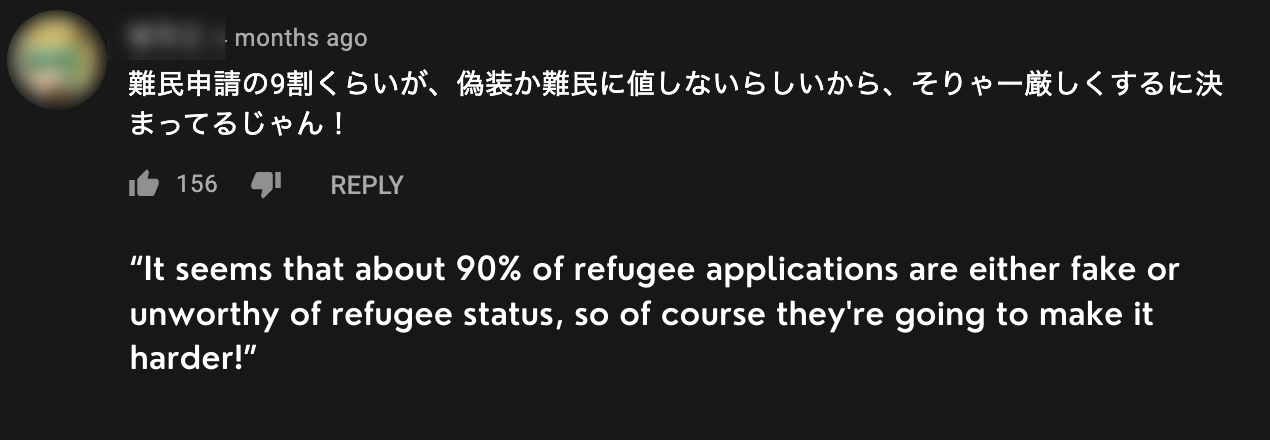
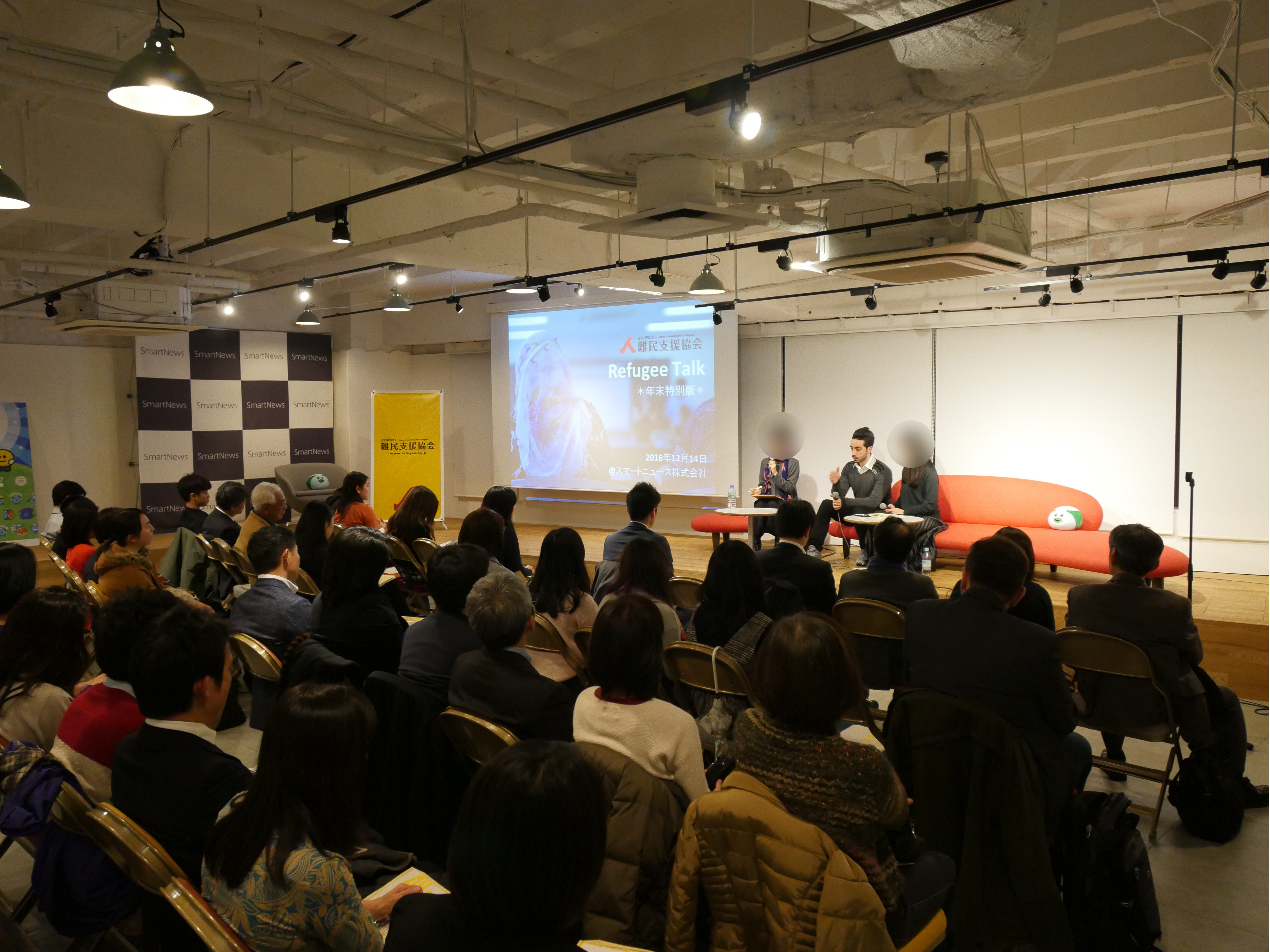
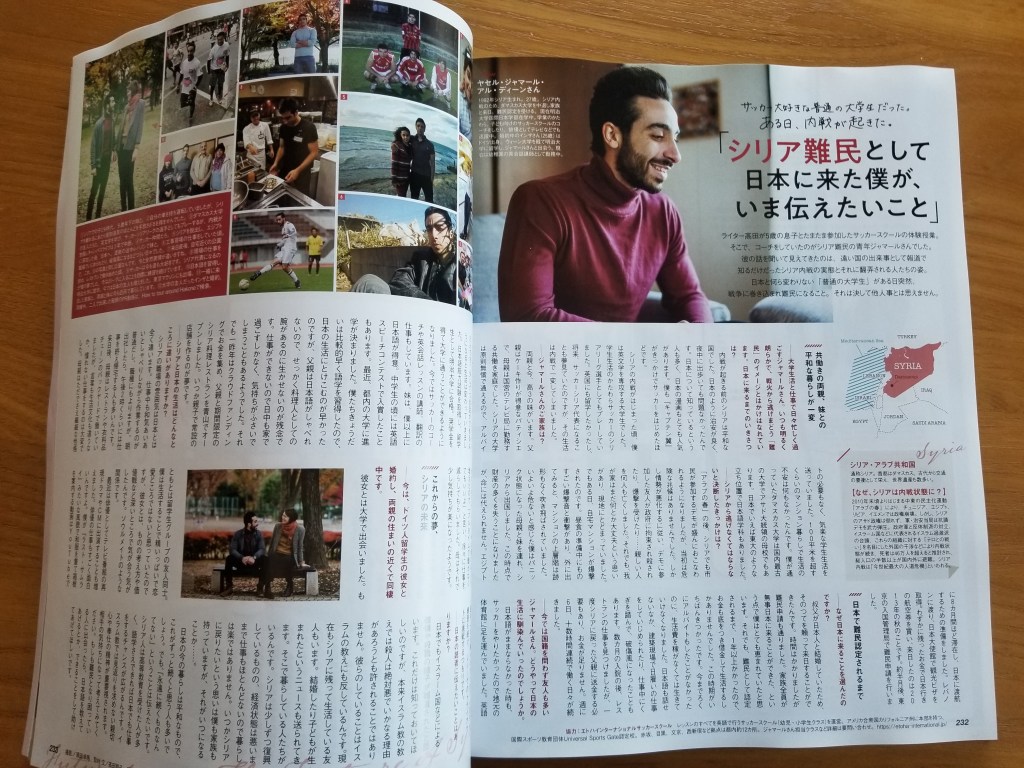
This misconception creates a common perception of refugees, or foreigners in general of being lazy and malicious, taking advantage of the welfare system. After receiving comments attacking his identity as a refugee and his Islamic religion during his role as a kindergarten English teacher, Yasser took this on as a challenge: “I’m still a foreigner, a refugee, who is trying to prove that refugees are not just lazy people who want to take people’s salaries in Japan. If you lose everything and you’re 20, 21 and suddenly you have a new life, new responsibilities, and everything’s changed, it’s really not easy”. Although he has had numerous interviews before, speaking of his experiences as a Syrian refugee or his dream of becoming a professional soccer player, Yasser mentions how at times, the documentaries did not reflect the main points he was getting at. So, he began declining invitations from major television companies and instead began speaking directly to the people, eliminating the middleman (i.e., the television companies and channels responsible for relaying Yasser’s message to the wider audience).
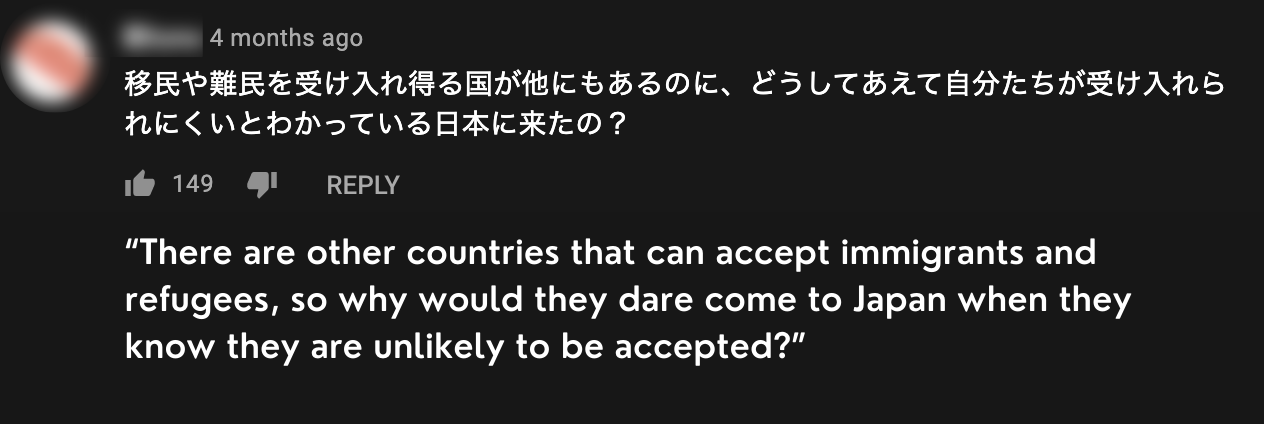
However, Yasser admits that despite his efforts in reducing the misunderstanding, he is uncertain that the negative connotation that follows the word ‘refugee’ and ‘Islam’ is changed for the better but perhaps is getting worse since his role as a public speaker: “Japanese people don’t have that many big chances to meet refugees or Muslims in general. So, they count on what they hear from the media [that] are very biased and they don’t bring the right image of Syria or refugees. They bring bad images and troubles refugees are making and that affects, of course, people if they don’t have interaction with real refugees or Muslims around them”.
As mentioned earlier, Japan has a low refugee acceptance rate: between 2011, the beginning of the unrest of the Syrian civil war, and 2016, marking the war’s 5th anniversary, Japan granted refugee status to seven Syrian refugees, (three of which includes Yasser, his mother, as well as his sister) from the total of 31,159 refugee applicants; Japanese borders were effectively closed to refugees during the uprising, therefore, did not experience the same inundation of Syrian refugees as did European countries. Furthermore, the estimation of Muslims in Japan constituted less than 0.2% of the population in 2018.
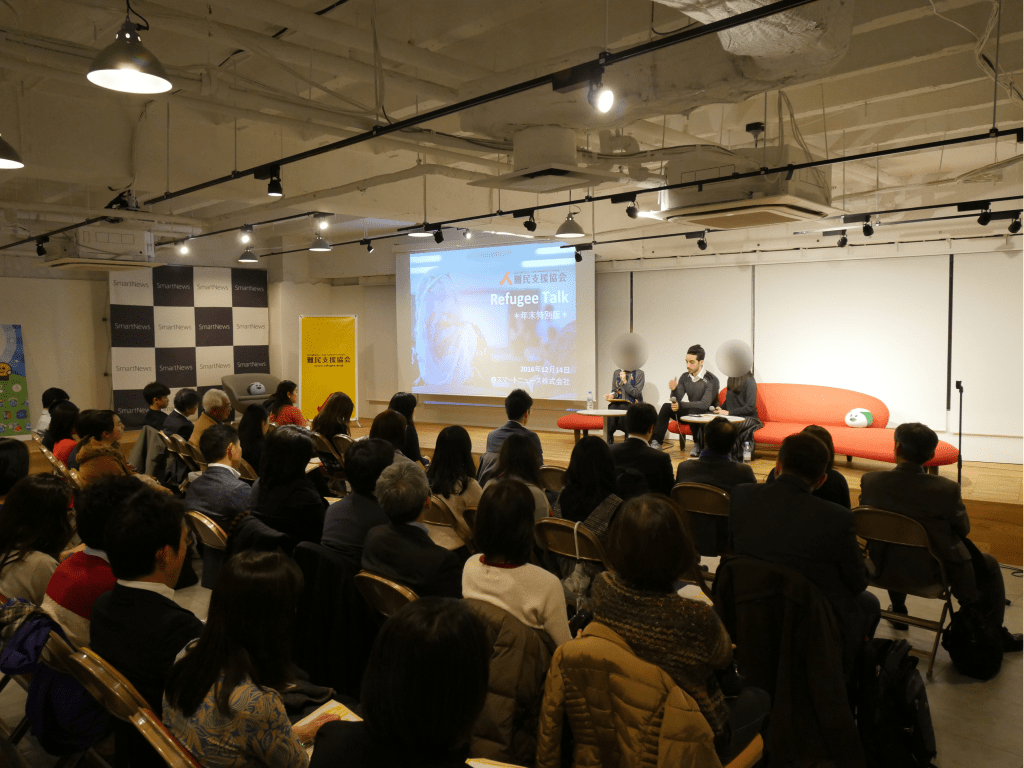
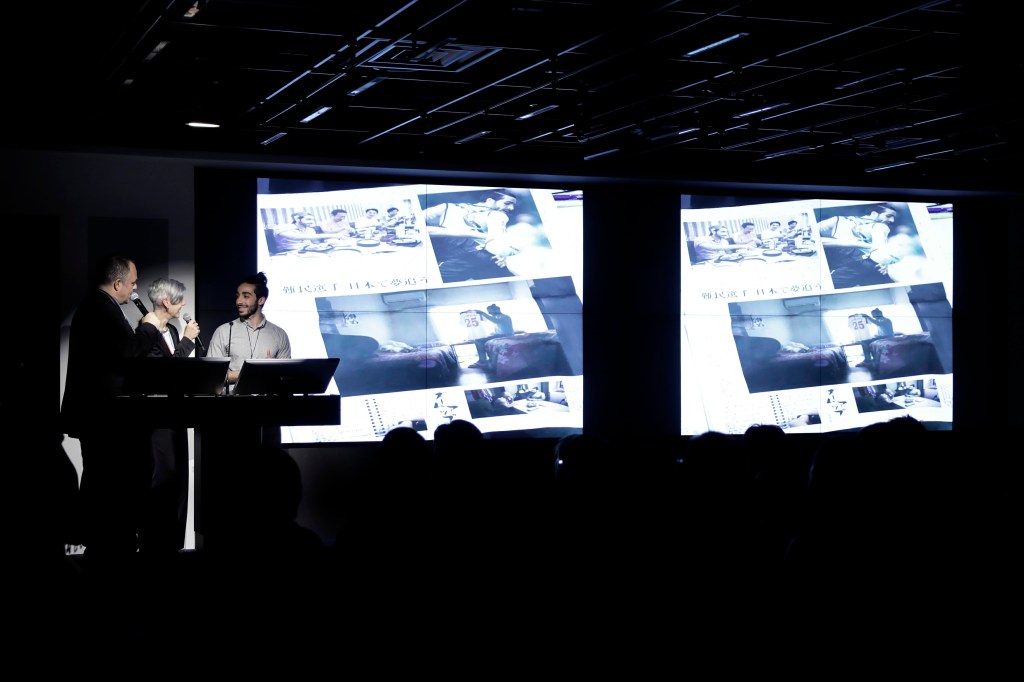
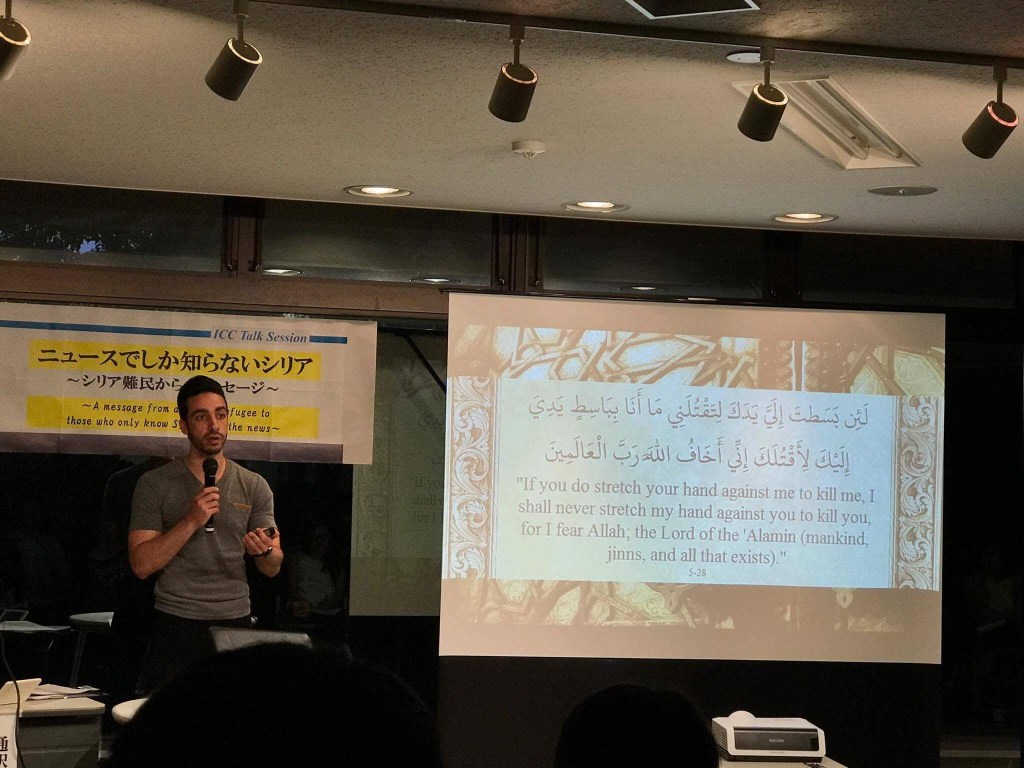
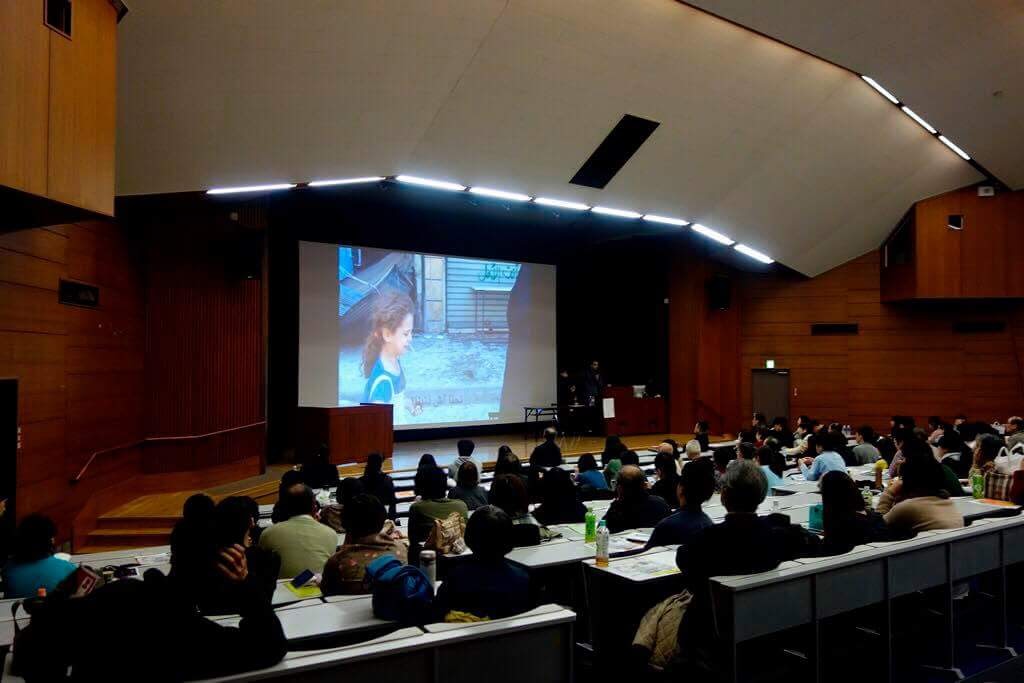
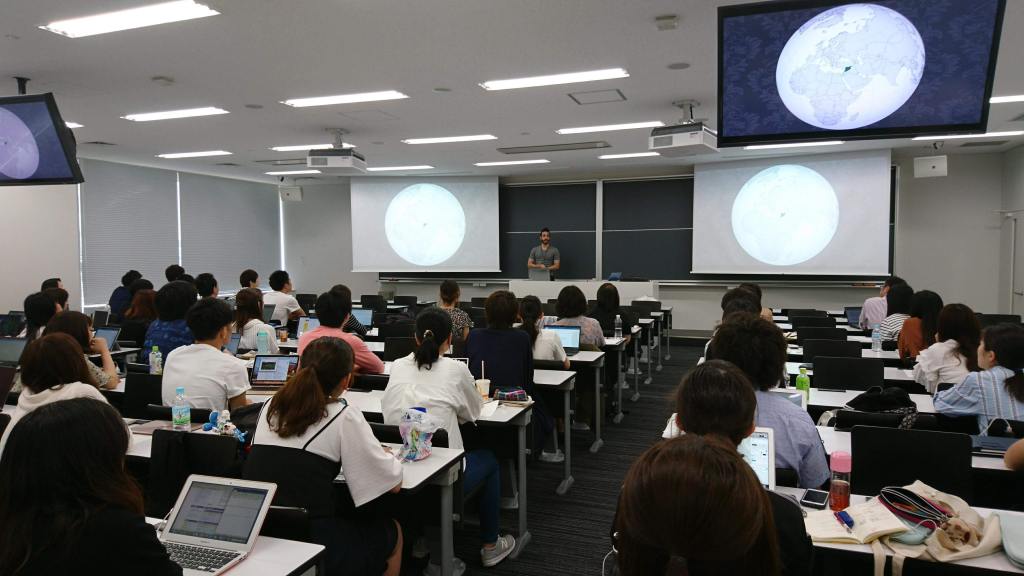
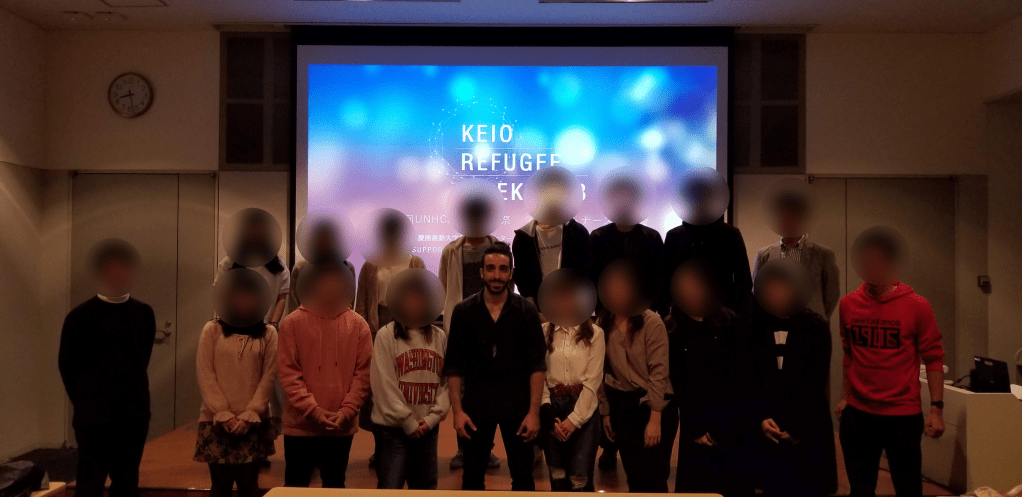
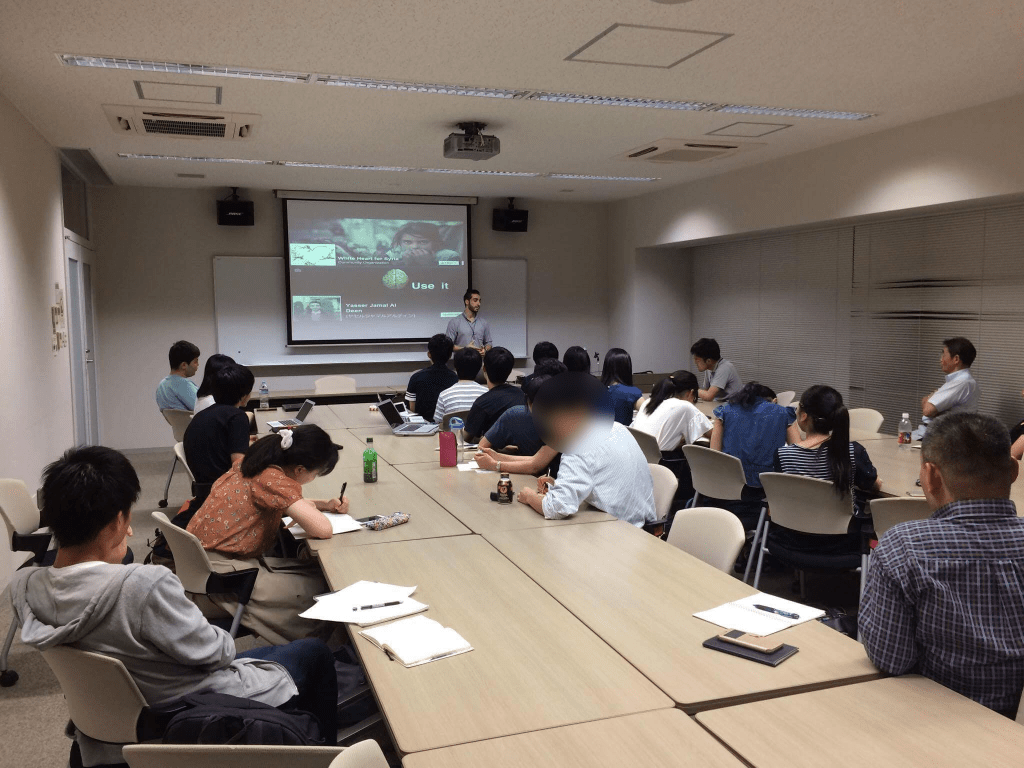
By prioritizing having face-to-face interaction with his audience, Yasser was able to build connections and communities with those who misunderstood Islam and what it meant to be a refugee: “I was always excited and have all the energy to teach people to show them about refugees and Islam, to clear that Islamophobia as well as aspects from the Quran itself”. Even with the Internet being accessible to the audience, it is important in reaching out to those who have personal experiences, in order to teach oneself a more accurate representation of the situation. In Yasser’s case, there were more younger students, who were interested in the situation and had attended his lectures.
4. On Screens
4.1. The Mom with No Money
Since his injuries in 2019, which restricted Yasser from becoming a professional soccer player in Japan, he took a complete turn in his role, by becoming a social media personality and an actor. From his experiences as a public speaker, Yasser asserts “I like to be in front of people, I like to speak out. And I don’t feel nervous or shy, never”. From seeing Yasser’s personality, his friend recommended Yasser to acting agencies; Yasser was able to join one in 2018, further blossoming his passion for acting.
Beginning his journey as a social media personality on TikTok, Yasser recalls that the Japanese audience was relatively difficult to please. Nonetheless, he consistently posted two to three videos every day, dedicating his energy and thinking “I’m going to make this work” by following Japanese TikTok trends. After surpassing 70 videos, Yasser was able to appeal to the Japanese audience with the tadaima – I’m home – series, where Yasser originally entered the door and said “I’m home” in multiple languages. From his tadaima series, there were comments requesting Yasser to say some Japanese phrases upon entering the door, giving him the opportunity to develop a mom character as well as other characters with different voices and styles (in which he, as well as his wife and sister, play) to answer the door; the skit ideas come predominantly from the comment sections. In other words, as his videos started to get more popular, Yasser was interacting with his Japanese audience through his videos, creating a bond between them through Japanese humor: “They like you as a character – they don’t really care where you’re from and that will give them a positive image that maybe Syrians are funny”. He currently has approximately 110,800 followers and 2.8 million likes on TikTok.
By engaging directly with the comments of his 110,800 audience – who are predominantly from the younger generation – as well as those who stumble across his platforms, Yasser is able to communicate through humor, ultimately creating an online community that is interested, even curious, in his identity without much judgment; humor is used as a binding between the similarities and differences between Yasser and his target audience. However, he is also able to represent who he is as a refugee and a Syrian, combatting the limitations of documentaries and interviews conducted by a third party. In other words, social media had become his main source in delivering his messages, whether it be more political, or in Yasser’s case, humorous.
4.2. And… Action!
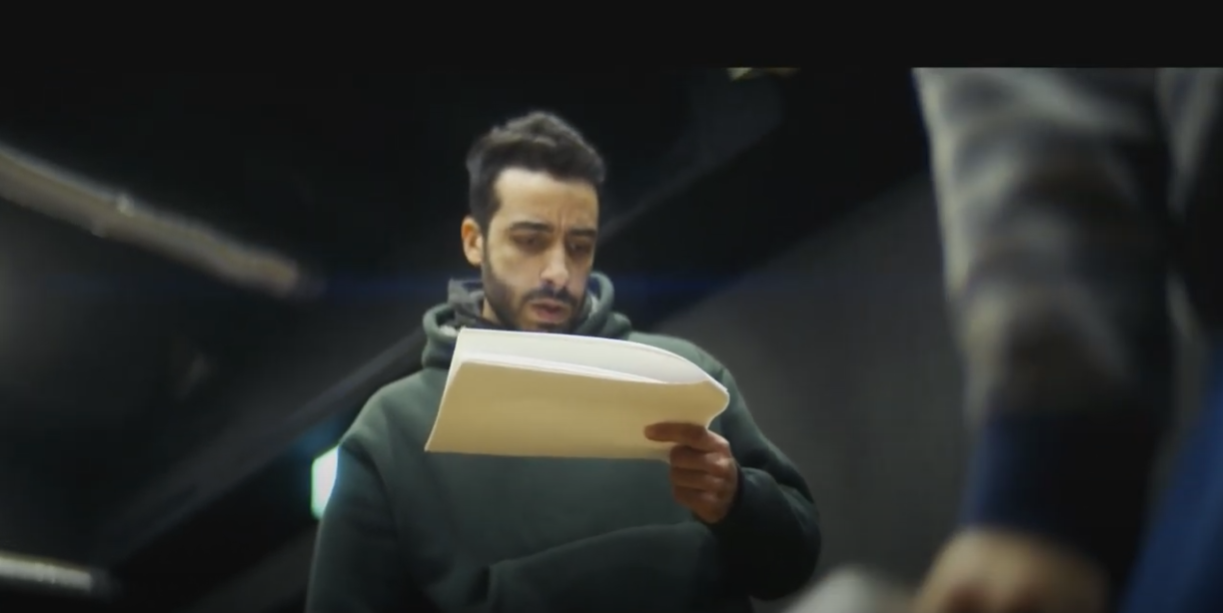
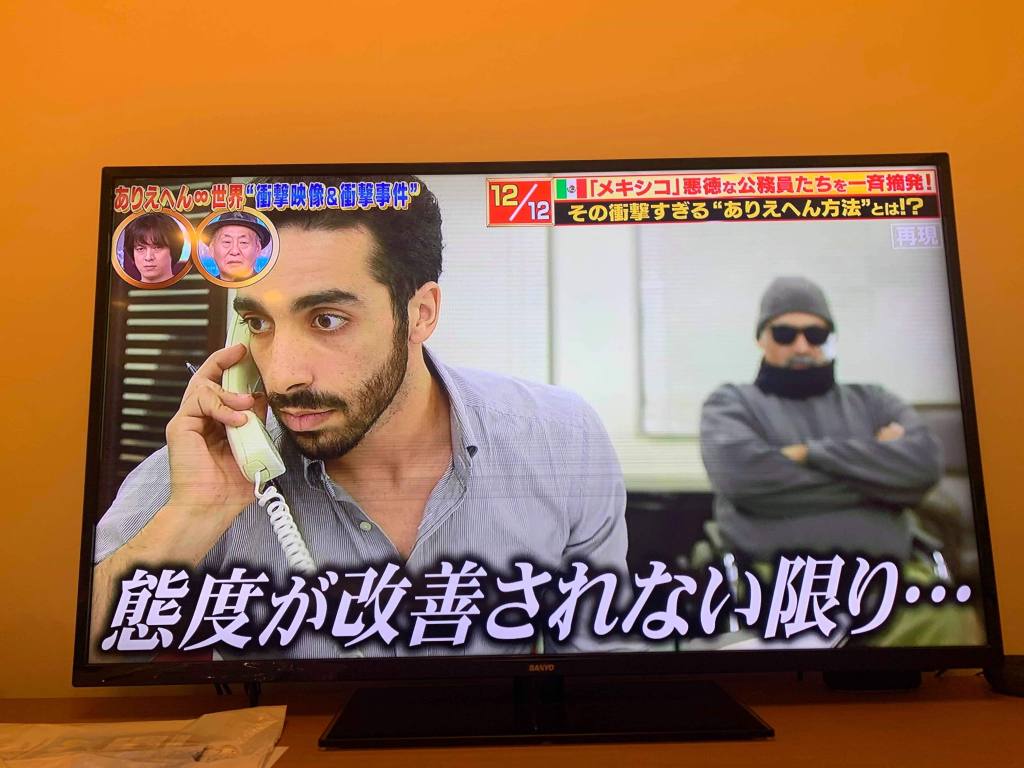
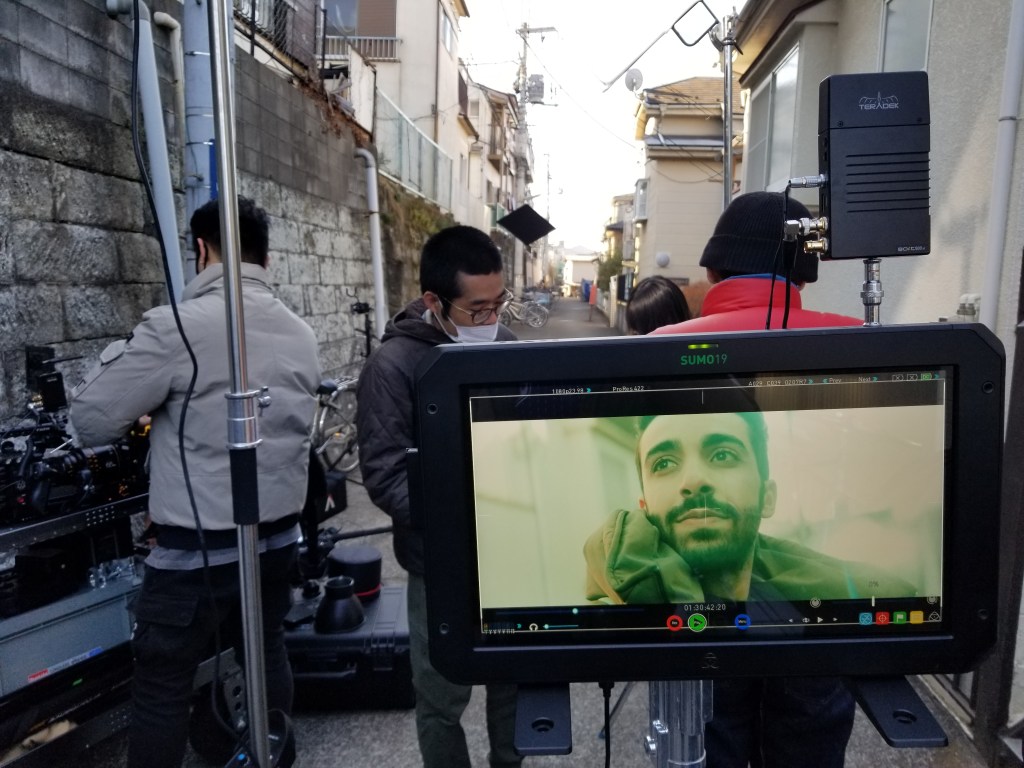
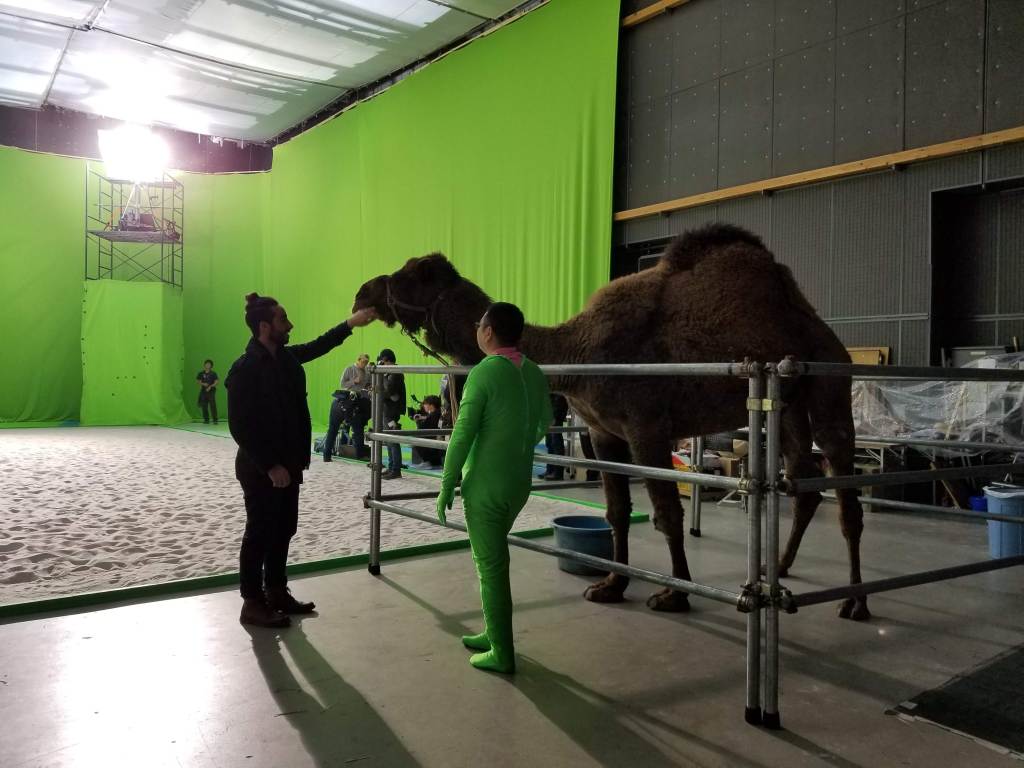
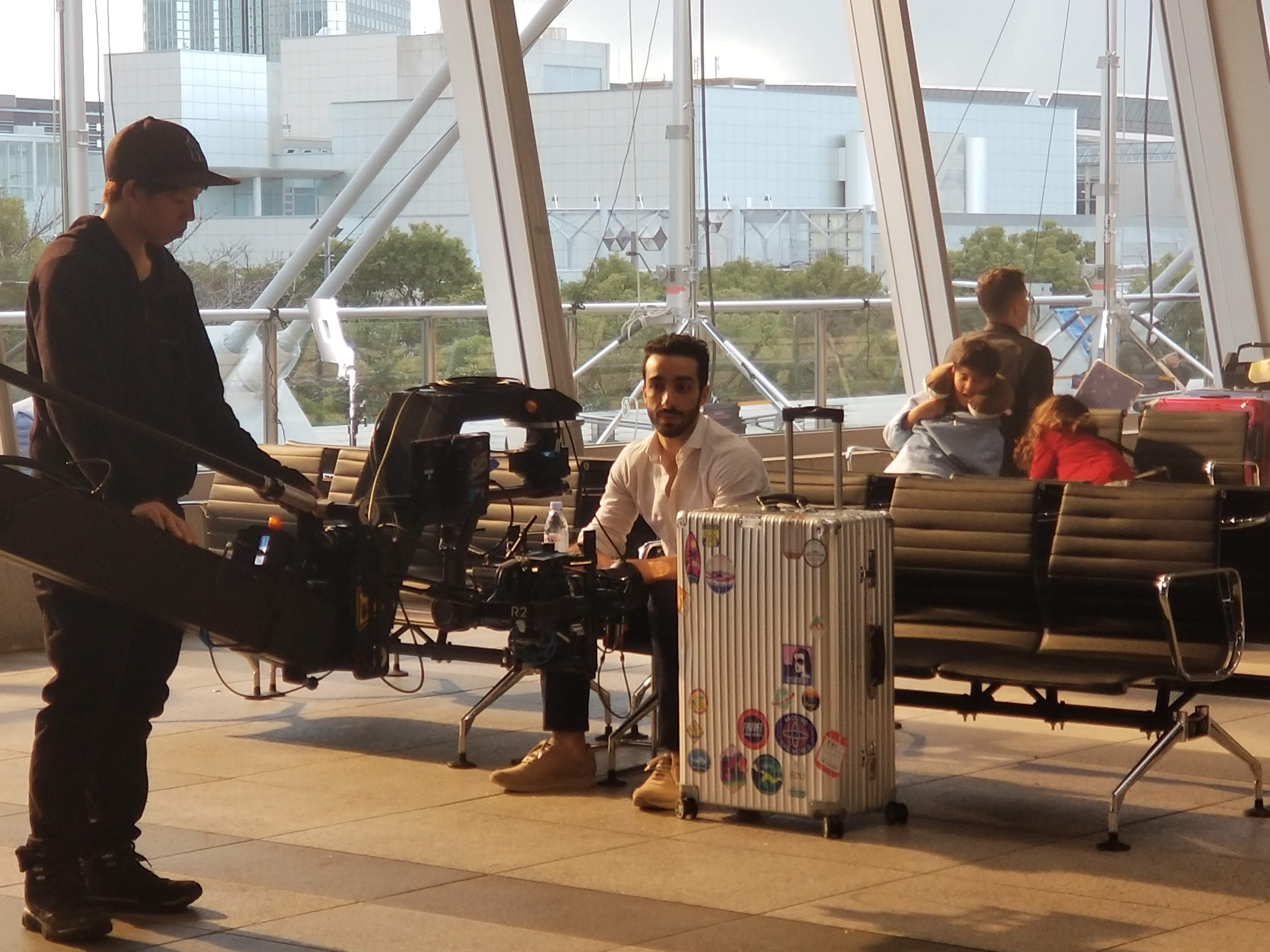
As Yasser gains more experience in the acting industry as a full-time actor and a social media personality, he believes that he is becoming unbounded to one genre or one type of character. He mentions that his job allows for creativity to be involved–to be able to create content, thus developing his overall character on-screen. Interestingly enough, it could perhaps be also said about his character development throughout his career in life: notwithstanding the limitations of job opportunities, Yasser evolved from working as restaurant staff, English teacher, and sales staff are popular and demanded job sectors for foreigners and refugees, to rather unconventional jobs–social media personality and actor–for refugees in Japan. Hence, showing his eagerness to work and continue working in Japan resiliently as “refugees are not just lazy people who want to take people’s salary in Japan. We are forced to be in the situation and we are trying our best” to survive.
“I got rejected to a lot of auditions and gained more experience. The most important thing, when you know you’re passionate about something when you’re doing it or working for a long time, is that first, you don’t feel time. Second, you are happy doing it. So you don’t mind spending hours doing that.”

5. So…What’s Next?
“After that, we’ll see what God has planned for me.”
Although living in the present, Yasser still has tentative plans for his future. In December 2018, he visited Germany for Christmas, meeting his wife’s family as well as his Syrian cousins and uncle. “The social life is much better than here [Japan] – the family interaction, the social life. It felt like Syria where you know everyone basically”. Not only is he contemplating moving to Germany due to familial relationships there, however, but he also wants to provide a chance for his mother to meet people and have a better social life: “It’s not like I’m leaving my family [my mother and sister] here”.
However, on the other hand, Yasser wants to stay in Japan as “people push you – the more hard work you put in and you cultivate it, the more you can get it back”. Nevertheless, Yasser puts his faith in God to know and guide what is best for him in the future. As of now, he concentrates on the present, focusing on sustaining himself financially as a social media personality and a full-time actor; he can show how far he’s progressed later in his life, ultimately making it all God’s plan.

You can continue following Yasser’s journey to see what is to come in his future:
