Honne (本音) is a Japanese word that means ‘true feelings’. Throughout his life experiences, Yasser’s true feelings on what home means for him has evolved.
Home is a concept seemingly simple and straightforward at first thought: a place of comfort and love, of safety, security, and stability–a place of solace, a place that pulls you to return. For those who have crossed borders, however, home is more complex. Professor Rosemary Marangoly George, for instance, in her book “The Politics of Home”, offered an alternative view of home, in that “Homes are places of violence and nurturing….Home is a place to escape to and a place to escape from.” Refugees, subjected to situations that harm their security, are left with no choice but to flee the only home they have ever known. Yasser had never intended to leave Syria–his mom had a good job, he was pursuing university and was dedicated to his blooming soccer career, but their unsafe circumstances forced them to do so.
As they left Syria, they carried with them their image and memory of this home. As Hamid Naficy (1999), a scholar of the cultural studies of diaspora said “Home is anyplace; it is temporary and it is moveable; it can be built, rebuilt, and carried in memory and by acts of imagination”.
Growing up under Assad’s regime, Yasser’s life has been marked by desensitization to war. He grew up in an abusive regime where many were suppressed. Nonetheless, being born and raised in Syria, home has always been the housing complex he shared with his many relatives––the place he grew up in, close to where he attended school.
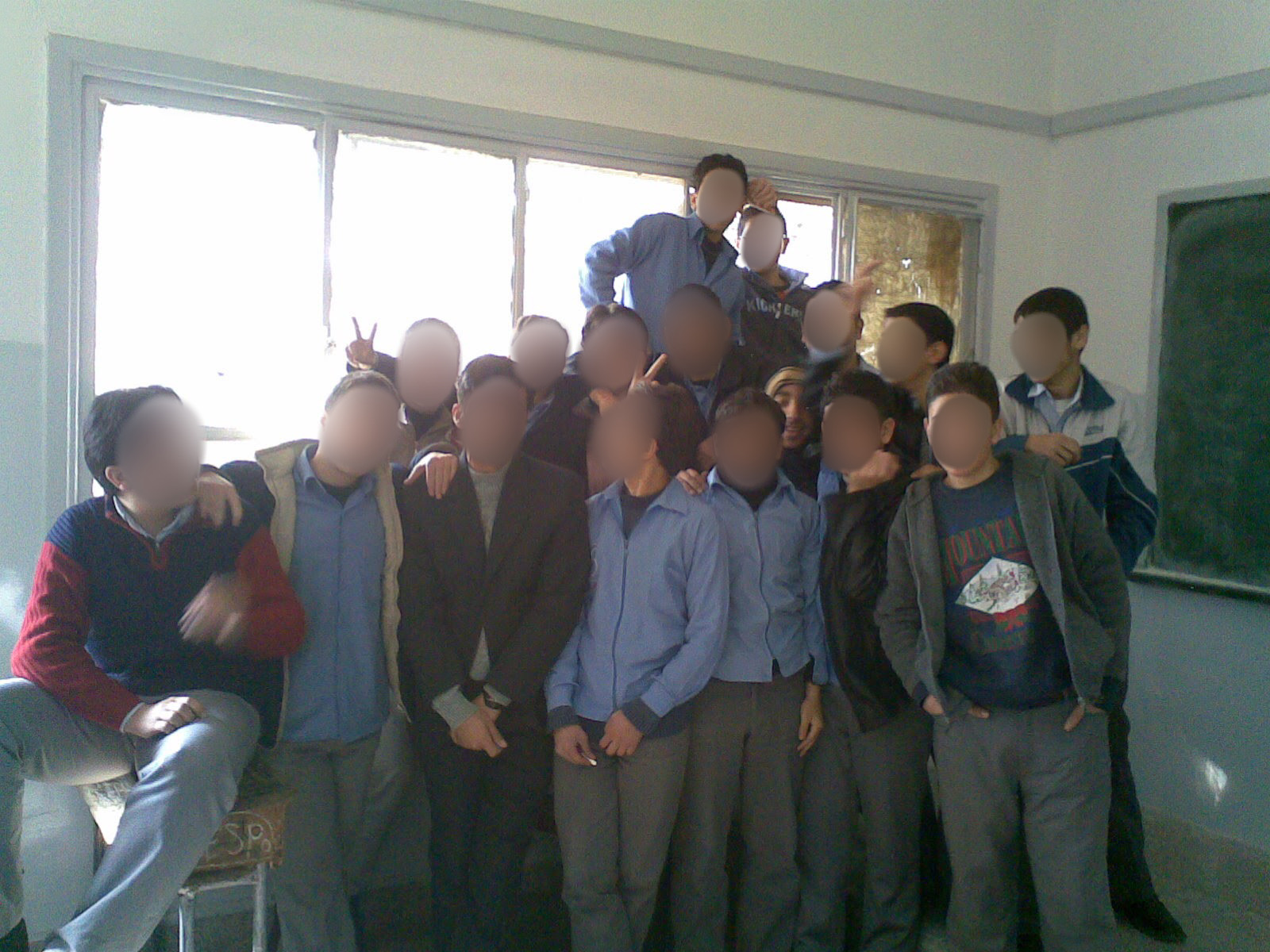
Home has always been where he first took an interest in soccer.

Home has always been in the city his university was.

But as he was forced to a new life, Yasser’s perspective of home has greatly changed–Syria and he has changed.
“Syria has changed a lot. It’s not the Syria that we grew up with. The regime image is everywhere now. When you walk on the street, it has the regime’s Syrian flag or Bashar al-Assad’s picture.”
/cloudfront-us-east-2.images.arcpublishing.com/reuters/W472K2UKSBJLRCGQDPFIPWFNDQ.jpg)
With the years passing, Yasser has lost affinity to the Syria that he once called home. This fading feeling of connection to a place you had once felt a sense of belonging to is bittersweet. Often, many people–including refugees–firmly believe that it is imperative to never forget where they came from–that the end goal is to always return to their ‘home’ country. After all, the UNHCR Handbook on Voluntary Repatriation states that they are “working towards and implementing voluntary repatriation to give refugees a chance to break away from being victims of persecution and to become a genuine part of the solution”. However, many also recognize the danger of coming back, and more importantly, the choice of moving on, carrying the memories and lessons of the home that once was, and moving forward to a future of new opportunities, safety, and security.
“When we say home, it’s mostly family, and since I have all my family here, nothing much to miss there.”
But even though he no longer deems Syria to be his home, he still finds a sense of affinity with his fellow Syrians. When he first got to Japan, however, that was not the case; Yasser had his goal set on building his future, “I kept myself away from, not just Syrians, Arabs in general like everyone. I just wanted to deal with Japanese, foreigners, and whatever my future will be, you know, like to build it.” But after getting stability in his new life as an actor, he is keen on supporting fellow Syrians, “I wanna help, I wanna support any other Syrians, any other student, anyone who came to this country. I wanna do the same thing. Just because I’ve been treated badly doesn’t mean I’m gonna treat other people badly. When I have the power, when I have the ability, information, support to give, I’m always up to, I’m always free to do so.”
Yasser is willing to support his fellow Syrians, especially those who have come to Japan to seek refuge because he knows, from personal experience, that with everything that they have been through, the least that they can get is compassion from others. As of now, Yasser’s honne on home is the belief that it is not merely a place. Home to him may not be Syria anymore, but he still finds a sense of belonging to the people who have suffered, endured, and braved the same hardships he did. While the end goal for Yasser is no longer to return to Syria, he is not turning back to his ‘home’, as he is looking to his fellow Syrians–to people, like him, who he believes deserve a chance at a new life- to support them as they start anew.
Like Yasser, many refugees around the world fall victim to the circumstances they find themselves under. War, chaos, conflict… They wake up every day with uncertainty, not knowing what tomorrow may bring. It is an undeniably difficult situation, one that forces you out of the only life that you have known. But while the experience of conflict is shared among all refugees, there is no one marked path determining where they go from there. Stories of seeming success like that of Yasser’s prove the constancy of uncertainty and change. Being a refugee changes one’s life, one’s perspectives, and one’s meaning of things–of stability, of success, of family, and of home.
